
Morocco's Strategic Role in African Geopolitics
In a significant diplomatic maneuver, Morocco has successfully facilitated the release of a French intelligence officer detained in Mali for nearly a year. This act of mediation not only underscores Morocco's growing influence in African geopolitics but also highlights a shift in the security dynamics of the Sahel region. Analysts specializing in strategic and geopolitical affairs emphasize that this event marks a pivotal moment that transcends the immediate circumstances, revealing Morocco's evolving role in regional security and diplomacy.
Mohamed Issam Laroussi, Director of the Perspectives Center for Geopolitical and Strategic Studies in Rabat, indicates that Morocco's successful mediation reflects its enhanced status as a peace-seeking actor across the African continent, particularly in the Sahel region. He notes that Morocco has gained the trust of political elites in countries facing acute crises, such as Mali, Burkina Faso, Niger, and Chad. This growing rapport has enabled Morocco to achieve notable successes in securing the release of French hostages in Africa, illustrating its pivotal role in complex international negotiations.
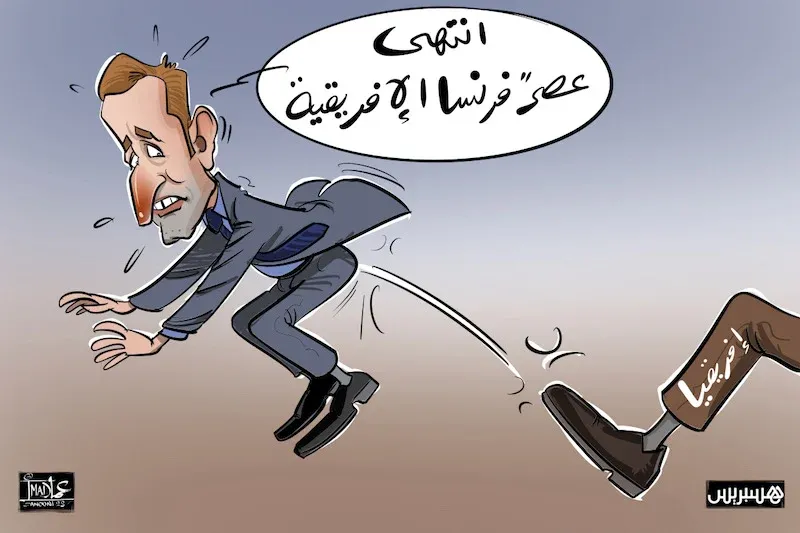
Laroussi elaborates that Morocco's emerging reputation as a neutral and objective mediator carries significant implications. Firstly, it enhances Morocco's status as a credible intermediary in various disputes. Secondly, it highlights Morocco's proactive geopolitical engagement in Africa through three primary avenues: a forward-looking security approach, economic development initiatives, and the establishment of strategic projects on the continent. The most critical implication, according to Laroussi, is the evident decline of traditional French influence in a region historically dominated by Paris, which has created an opportunity for Morocco to fill this void and gain the confidence of major global powers such as the United States, China, and Russia.
Building Trust Through Diplomatic Engagement
Abdel Fattah Al-Fatih, Director of the Sahara and Africa Strategic Studies Center, also highlights the notable advancements in Morocco's diplomatic and economic relations with Sahel and Sahara nations. He points out that recent developments have led to increased trade exchanges and collaborative projects between Morocco and these countries, fostering closer ties between Mali’s leadership and Moroccan King Mohammed VI. Al-Fatih emphasizes Morocco's commitment to effectively addressing humanitarian issues, particularly those involving the resolution of hostage crises, referencing previous instances where Moroccan intervention successfully facilitated the release of French nationals.
Currently, Morocco has renewed its mediation efforts with Malian authorities to resolve the situation of a French official previously attached to the French embassy, who has been identified as an intelligence agent. Al-Fatih asserts that Morocco's proactive stance in this complex situation, which has strained diplomatic relations between Paris and Bamako, demonstrates its adeptness in navigating intricate diplomatic waters and achieving decisive resolutions during critical moments.
Moreover, Al-Fatih contends that countries within the Sahel and Sahara now regard Morocco as a reliable partner, endowed with credibility and effective diplomatic channels. This perception positions Morocco as a primary choice for several European nations seeking collaboration on regional issues, encompassing economic dimensions and security cooperation. Such partnerships are increasingly vital in combating human trafficking, illegal migration, and transnational organized crime.
In conclusion, both experts agree that Morocco's successful mediation in the release of the French officer in Mali is not an isolated incident but rather a continuation of a growing trend that reinforces Morocco's image as a trustworthy regional mediator. This evolving narrative combines elements of quiet diplomacy, security openness, and economic partnership, ultimately solidifying Morocco's status as a capable regional actor able to translate its diplomatic capital into tangible geopolitical influence within a continent undergoing rapid power realignments.
As reported by hespress.com.