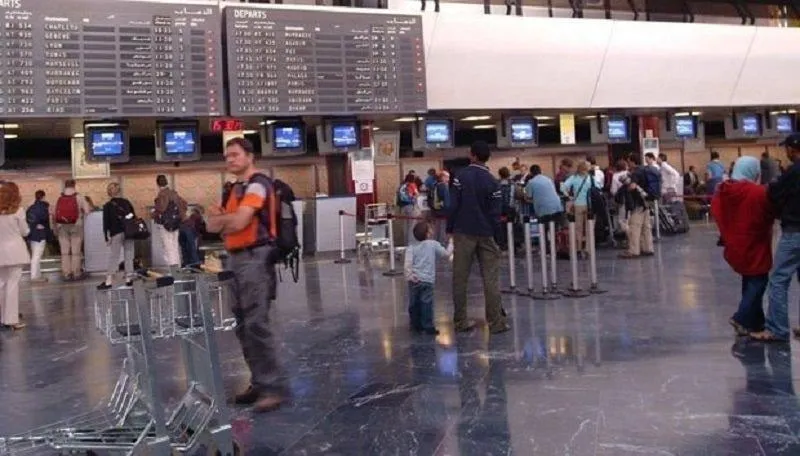

Morocco's tourism sector is set to surpass its initial targets, with recent performance indicators suggesting a shift in focus towards a more ambitious goal. While the official target is still set at 26 million visitors by 2030, trends indicate that this milestone could be reached as early as 2028. This shift is prompting stakeholders within both the public and private sectors to explore a new roadmap that aims for 30 million arrivals and nearly 200 billion dirhams in revenue by the end of the decade.
The Current Landscape of Moroccan Tourism
The existing roadmap, which anticipated 26 million tourists by 2030, is now viewed as conservative by numerous industry representatives who believe that achieving this target ahead of schedule is not only attainable but likely. According to insights from a reliable official involved in ongoing strategic discussions, a new and more ambitious framework is being developed between the Ministry of Tourism and the National Confederation of Tourism (CNT) to create a new roadmap for 2027-2030 that reflects this enhanced vision.
Recent data has shown a significant uptick in both tourist arrivals and revenue, with an impressive annual growth rate of approximately 22%. This performance surpasses the initial assumptions underlying the current tourism strategy. Industry leaders are optimistic, with one prominent figure stating that the goal of 26 million visitors could be reached two years early, based on the strong performance indicators and a projected annual growth rate of 15% needed to cross this threshold by 2028.
Strategic Vision for the Future
The preparations for the new roadmap are characterized by a comprehensive approach that extends beyond merely updating existing targets. The aim is to develop a strategic document that addresses the evolving market realities, incorporates performance data since the inception of the current roadmap, and capitalizes on the opportunities presented by major upcoming events. Industry insiders are working on an optimistic scenario projecting 30 million tourists and nearly 200 billion dirhams in revenue by 2030. However, it is crucial to note that this forthcoming roadmap will not be executed by the current government team; rather, it will serve as a guiding document for the next administration to consider.
For the ambitious targets to be realized, it is essential that the next government continues the momentum established through enhanced air connectivity, increased promotional budgets, and improved tourism offerings. There is a shared sentiment among industry leaders that the current achievements should not be taken for granted and that funding for these initiatives must remain robust. The next government faces a pivotal choice: to either reinforce the strategic efforts initiated in 2021 or to overlook these directives, which could significantly impact Morocco's capacity to leverage its current momentum into a transformative growth phase for the tourism sector.
As reported by medias24.com.