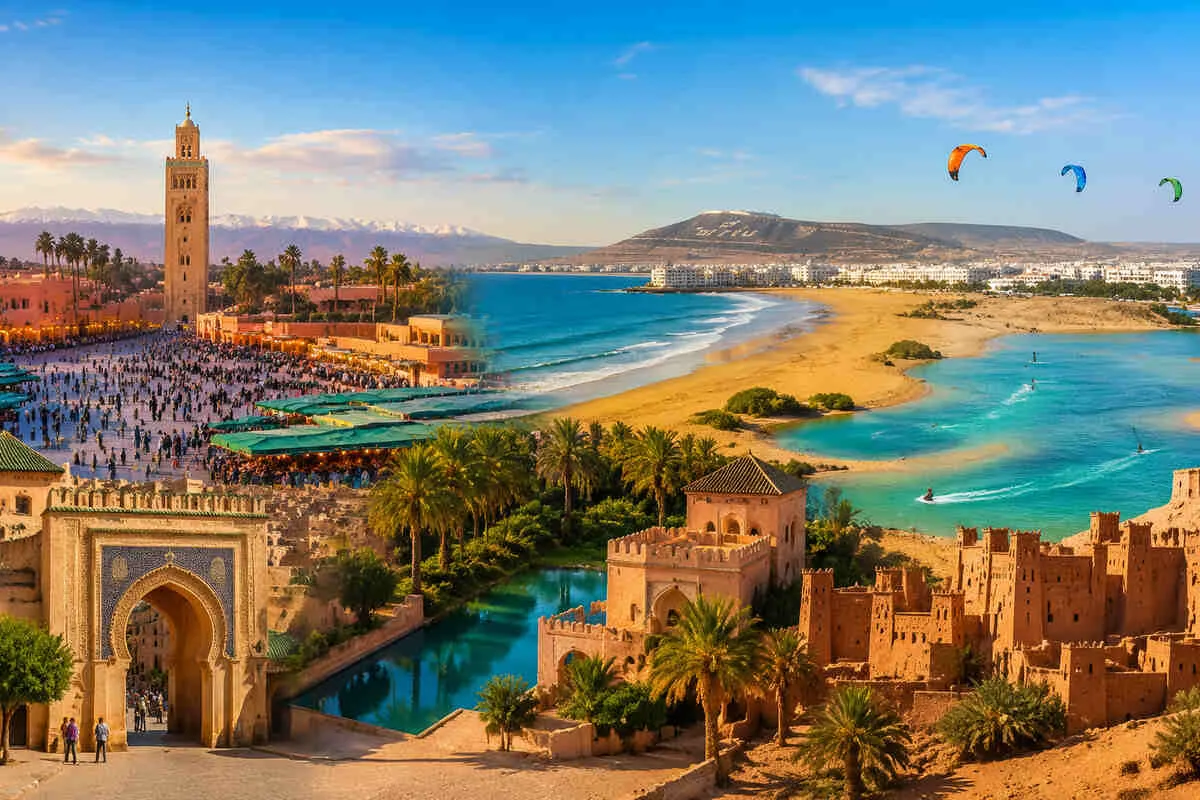

Morocco's Tourism Milestone in 2026
Morocco’s tourism industry is experiencing unprecedented growth, marking an impressive milestone in 2026 with nearly 9.4 million visitors recorded in the first half of the year alone. Major destinations such as Marrakech, Agadir, and Dakhla have played pivotal roles in attracting travelers, showcasing the country's allure as a premier travel destination in Africa. This remarkable increase in visitor numbers can be attributed to enhanced flight connections, a diverse range of cultural, beach, and nature excursions, as well as a growing demand for accommodations. The surge in tourism has significantly boosted the sector's revenues, further solidifying Morocco's status as a leading travel hotspot.
Strengthening Economic Impact and Visitor Experience
The continuous upward trend in Morocco's tourism sector reflects a robust confidence among international travelers and Moroccans living abroad, both of whom contribute substantially to the country's travel economy. The data from the Directorate of Financial Studies and Forecasts (DEPF) indicates a 6% increase in visitor numbers compared to the previous year. This growth is not just limited to traditional tourist hotspots; regions like Tangier, Dakhla, Fez, and Meknes are gaining popularity, offering cultural experiences and adventure activities that cater to a diverse array of interests.
Additionally, the demand for overnight accommodations has surged, with an astonishing 23.5% increase in the first quarter followed by a 21.2% rise in the second quarter of 2026. This uptick signifies that visitors are not only coming in greater numbers but are also spending more time exploring the rich offerings of Morocco. The diversification of tourism products—ranging from leisure travel to cultural and adventure tourism—has enabled more regions to engage in the visitor economy, ensuring that even lesser-known areas reap the benefits of increased tourist interest.
Furthermore, Morocco's tourism revenues have seen a significant boost, reaching approximately 53.8 billion dirhams by the end of May 2026, marking a 14.6% increase from the previous year. This financial growth underscores the sector's critical role in the national economy, supporting employment and fostering regional development. The rise in tourism receipts also highlights Morocco's strategy to attract high-value travelers through enhanced experiences and premium accommodations, ensuring a sustainable economic impact.
The expansion of international air connectivity has been a cornerstone of this tourism boom, with strategic partnerships among tourism authorities and airlines resulting in increased flight options and direct routes to key markets. This improved accessibility not only supports established destinations but also promotes emerging tourism centers across the country, positioning Morocco as an appealing destination for a wide array of travelers seeking diverse experiences—from desert adventures to eco-tourism.
As Morocco’s tourism sector continues to thrive, the first half of 2026 serves as a testament to the country’s adaptability and potential for further growth. While established hubs like Marrakech and Agadir remain popular, the rising interest in lesser-known regions indicates a shift toward a more balanced tourism model. By fostering a diverse array of cultural, coastal, and adventure experiences, Morocco is poised to offer something unique for every traveler, ensuring its place as a top global destination for years to come.
As reported by travelandtourworld.com.