
Morocco is currently undergoing a remarkable transformation in its tourism and infrastructure sectors, marking a significant phase in the country's modern history. Following two consecutive years of record visitor numbers, this North African gem is rapidly enhancing its transport networks, modernizing airports, upgrading digital travel systems, and expanding high-speed rail services in preparation for the highly anticipated **2030 FIFA World Cup**, which Morocco will co-host with Spain and Portugal. As travelers arrive this summer, the evidence of this transformation is already apparent across major cities such as Casablanca, Marrakech, Rabat, Tangier, and Agadir, where substantial projects are redefining how visitors navigate the country. This ambitious endeavor aligns with Morocco's goal of becoming a leading tourism and mobility hub, especially as the global football event approaches.
Morocco's tourism sector has been experiencing unparalleled growth, solidifying its status as Africa's most dynamic tourism market. The country welcomed an astonishing **17.4 million international visitors in 2025**, setting a new record and further establishing itself as one of the continent's most sought-after destinations. With tourism revenues reaching unprecedented levels, the demand has surged primarily from Europe, the Middle East, North America, and emerging Asian markets. Key source countries include France, Spain, the United Kingdom, Germany, Italy, the United States, and various Gulf nations. This sustained growth has put pressure on transport infrastructure, prompting Moroccan authorities to expedite investment programs aimed at supporting both tourism and long-term economic growth.
Infrastructure Modernization Driven by FIFA World Cup 2030
The impending **2030 FIFA World Cup** serves as a major catalyst for Morocco's infrastructure modernization efforts. With the tournament expected to draw millions of international visitors to the Iberian Peninsula and North Africa, enhancing transportation systems has become a national priority. Several host cities, including Casablanca, Rabat, Tangier, Marrakech, Agadir, and Fez, are already undergoing significant upgrades. However, the objectives of these investments extend beyond the tournament; officials are positioning these enhancements as long-term assets that will continue to benefit tourism, business travel, and domestic mobility long after 2030.
One of Morocco's most notable achievements is the **Al Boraq high-speed rail network**, which is the first of its kind in Africa. This advanced transport system currently connects Tangier and Casablanca with stops in Rabat and Kenitra, significantly reducing travel times between major urban centers. Plans for further expansion are in motion, aiming to enhance connectivity between tourism hubs and future World Cup venues, thereby offering faster and more sustainable travel options. Additionally, Morocco's airports are undergoing substantial upgrades, including major gateways such as Mohammed V International Airport in Casablanca, Marrakech Menara Airport, Rabat-Salé Airport, Tangier Ibn Battouta Airport, and Agadir Al Massira Airport. These upgrades focus on improving passenger processing, terminal enhancements, and digital infrastructure to accommodate the rising number of travelers.
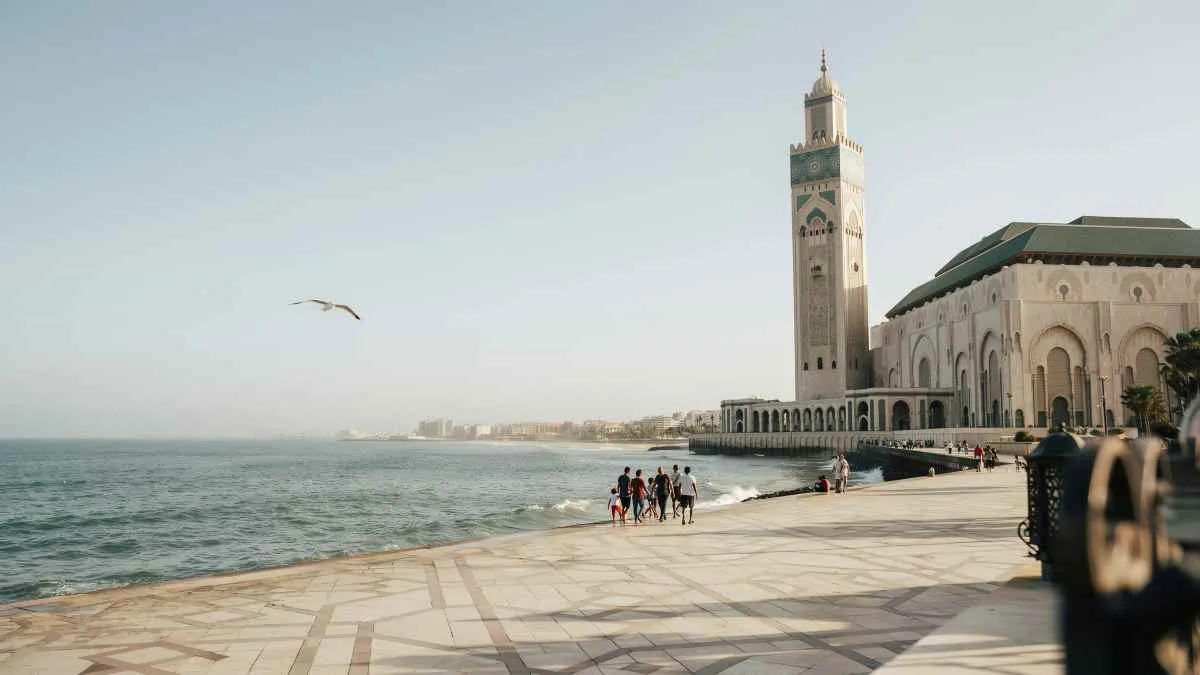
The Moroccan government is also prioritizing digital transformation within its tourism sector. This includes the integration of new technologies across various platforms, such as airports, railway stations, public transport systems, and visitor services. The emphasis is on improving accessibility, reducing wait times, and creating a seamless travel experience for visitors. As international travelers increasingly prefer technology-driven journeys, Morocco is aligning its infrastructure with global expectations. Casablanca remains a strategic hub at the center of this transformation, benefiting from extensive investments in airport infrastructure, urban transport, rail connectivity, hospitality development, and public spaces. These projects are designed to reinforce Casablanca's role as both a premier tourist destination and a regional aviation hub connecting Africa, Europe, and the Middle East.
Beyond the traditional hotspots like Marrakech, Morocco's infrastructure enhancements are promoting a more balanced distribution of tourism across the country. Destinations such as Tangier, Rabat, Fez, Chefchaouen, Agadir, and Essaouira are now more accessible, making it easier for visitors to explore multiple regions during their trips. This diversification aligns with Morocco's broader strategy to showcase its rich cultural, coastal, desert, and mountain experiences. The economic impact of these infrastructure projects extends beyond tourism, generating job creation, boosting construction activities, attracting investments, and enhancing logistics capabilities, thereby strengthening Morocco's competitiveness as a trade and investment destination.
As Morocco continues to prepare for the 2030 FIFA World Cup, the ongoing investments in transport and tourism infrastructure will not only support the influx of international visitors but also lay the groundwork for a sustainable and thriving tourism ecosystem long into the future. The transformation underway is a testament to Morocco's commitment to modernizing its travel landscape and solidifying its position as one of Africa's leading travel destinations.
As reported by travelandtourworld.com.