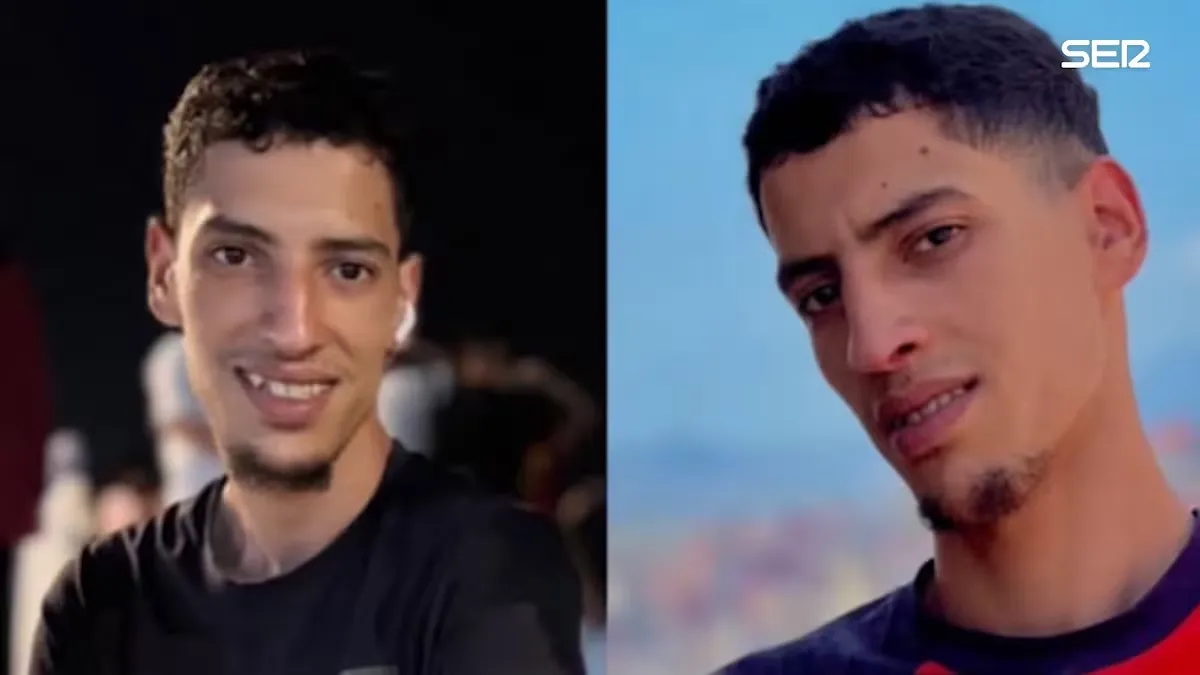

Morocco's Disturbing Repatriation Block: The Story of Younes
In a deeply tragic incident, 19-year-old Younes lost his life on July 30 while attempting to swim to Spain alongside his siblings. Despite the harrowing circumstances, the young man's family has been left in despair as Morocco's government has obstructed their efforts to repatriate his body for burial. This heartbreaking situation has left Younes's family in limbo, as they were led to believe they would be able to bring their loved one back to their hometown of Castillejos for a proper farewell. Instead, they are now forced to accept that Younes will be laid to rest in Ceuta, a city in Spain, due to bureaucratic hurdles imposed by the Moroccan authorities.
Younes was the youngest of three siblings who undertook the perilous journey to Spain, which culminated in tragedy when he drowned. His older brother and sister survived the crossing, but are now hiding in Ceuta, grappling with their grief and sense of loss. In total, 82 bodies were recovered in the region, 73 of which have already been buried, while the remaining nine bodies await burial after being identified through forensic efforts. However, the families of the deceased have faced significant obstacles when trying to secure the necessary permits for repatriation, with the Moroccan government blocking these efforts.
The Struggles of Grieving Families and the Role of Authorities
Five families, including Younes's, have attempted to navigate the complicated process of obtaining permission to retrieve their loved ones' bodies. Unfortunately, they have encountered repeated delays and outright refusals from Moroccan officials, who attributed these setbacks to purported administrative issues. One family member expressed frustration, stating, "We are tired of going back and forth in Morocco. It is Morocco that does not want this to proceed; we were informed this was a directive from Rabat. Despite having paperwork completed, we received no help, and they claimed there were issues with customs documents." As a result, Younes's family has had to resign themselves to the reality of his burial in a foreign land.
The emotional toll on Younes's mother is profound. She feels abandoned and deceived, having received numerous calls from individuals offering assistance in exchange for money—a situation that only exacerbated her grief. Reports indicated that as much as €8,000 was demanded to facilitate the return of Younes's body, but even when the family raised €1,500 to cover funeral expenses, Moroccan authorities denied them at the border.
Younes's situation highlights the broader issue of missing persons and the challenges faced by families in similar circumstances. As a child who had previously been under guardianship, Younes had expressed reluctance about swimming back to Ceuta. His tragic death has left his family grappling with survivor's guilt and a sense of helplessness, particularly among his older siblings, who feel responsible for his fate.
The coordinated efforts of forensic teams and law enforcement aim to identify the deceased and document their stories, ensuring their names are not forgotten. Lieutenant Adam Collantes Mohamed, who oversees the identification process, emphasized the moral obligation to recognize the deceased, stating, "We are witnesses to what is likely the most tragic part of this event. Our responsibility, both legal and moral, is to give names back to these 82 individuals." Despite the complexities and unprecedented nature of this situation, the team has been diligent in their efforts to support families and facilitate the identification of their loved ones.
As reported by cadenaser.com.