
In the aftermath of the tragic Casablanca bombings in 2003, Moroccan authorities adopted a multifaceted approach that transcended mere enhancements to security measures. Instead, they embarked on a comprehensive reform initiative aimed at better regulating the religious sphere, which included the training of imams and the prevention of extremist rhetoric. This strategic response, as highlighted in a recent study by the Institute of Applied Geopolitical Studies (IEGA) published on June 18, 2026, is part of a broader strategy focused on prevention, deradicalization, and the strengthening of religious institutions.
The Role of the Commandery of the Faithful
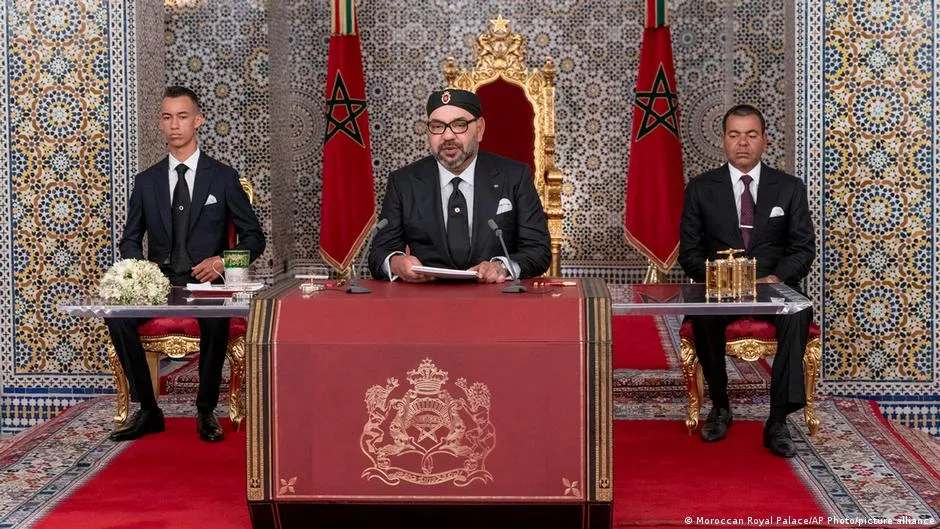
At the heart of this model lies the Commandery of the Faithful (Imarat al-Mouminine), an institution operating under the authority of King Mohammed VI and enshrined in the Moroccan Constitution. This structure grants the monarch a religious legitimacy that enables him to arbitrate doctrinal issues and promote a moderate form of Islam. Alexandre Negrus, president of the IEGA and co-author of the report, emphasizes that the Commandery of the Faithful is the cornerstone of this framework. He argues that what sets Morocco apart from other nations attempting to regulate the religious domain is the internal regulation exercised within the religious sphere, with the sovereign recognized as a religious authority rather than merely a political overseer.
The Moroccan model is founded on three major doctrinal references: Maliki jurisprudence, which has a historical presence in the Maghreb and Sahel; Ash'arism, which promotes a harmonious relationship between faith and reason; and Sufism, which addresses the spiritual and communal aspirations often exploited by extremist movements. Beyond its security-oriented approach, Morocco's religious model has evolved into a tool for diplomacy and regional cooperation.
An Inspiring Model for Sahel Countries
Many observers believe that Morocco has crafted a distinctive response to the extremist threat by prioritizing prevention and religious oversight alongside security measures. This view is echoed by Driss Aït Youssef, a security expert, who notes that several Sahel countries facing jihadist threats can draw inspiration from various aspects of Morocco's experience. However, he cautions that the transplantation of this model carries significant limitations, stressing that the stability observed in Morocco largely hinges on the unique status of King Mohammed VI as the Commander of the Faithful, a role that enjoys recognition among the populace. This legitimacy, according to him, plays a crucial part in structuring and sustainably regulating the religious sphere.
The study also highlights Morocco's initiatives in prevention and deradicalization, exemplified by the Moussalaha program, which aims to achieve religious and social reconciliation for individuals convicted of terrorism-related offenses. Furthermore, it underscores the role of the Mohammed VI Institute, which trains hundreds of African imams annually to promote moderate Islam across various countries in the region.
Despite its successes, the Moroccan model is not without its criticisms and challenges. Negrus points out that standardizing sermons helps prevent the use of official mosques as platforms for radical discourse; however, this approach seems to foster the emergence of an institutional Islam that is sometimes perceived as disconnected from the everyday concerns of the faithful. Additionally, the rise of digital spaces presents a major current challenge, as radical discourse now circulates widely outside traditional religious regulatory frameworks, diminishing the effectiveness of institutional control mechanisms.
Another limitation highlighted in the study is the difficulty of replicating this model in other national contexts. While several Sahelian states may seek to draw from Morocco's experience, the foundations of this model are deeply rooted in unique Moroccan characteristics, particularly the Commandery of the Faithful and the historical legitimacy of the monarchy—elements that lack equivalents in most countries in the region. Thus, the authors of the report advocate for viewing the Moroccan model as a source of inspiration rather than a directly replicable formula. They suggest that it offers valuable insights for bolstering the resilience of societies facing radicalization and identity fractures in a Sahelian context marked by significant security turbulence.
As reported by amp.dw.com.