Strengthening Alliances Amid Regional Tensions
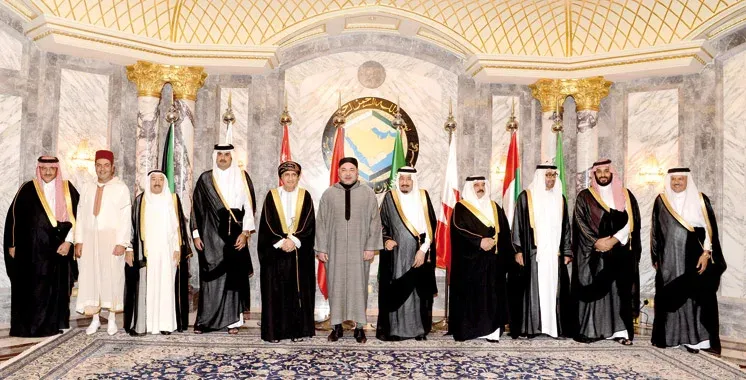
In light of the increasing tensions with Iran, Morocco has reaffirmed its steadfast commitment to the security of Gulf States, highlighting an enduring alliance that encompasses not only diplomatic support but also extensive military and intelligence collaboration. This partnership, which has been developing since the 1980s, showcases Morocco’s strategic dedication to fostering regional stability and combating terrorism alongside its Gulf allies. King Mohammed VI has consistently communicated to the leaders of Gulf nations his unwavering support for any legitimate actions they consider necessary to protect their security and the well-being of their citizens. These sentiments were echoed during a recent meeting on March 12, when Foreign Minister Nasser Bourita reiterated that Morocco views the security of Gulf countries as fundamentally intertwined with its own national interests.
Morocco's diplomatic support is not merely a matter of courtesy; it is a reflection of a consistent political stance rooted in a long-standing commitment to the Gulf States' security in the face of threats, particularly those emanating from Iran. This position dates back to the 1980s when Morocco was among the first Arab nations to offer support to Iraq during its conflict with Iran. Notably, during the 1982 Arab Summit held in Fez, Morocco played a pivotal role in encouraging several monarchies in the region to adopt a similar stance, which included former Iraqi president Saddam Hussein and the rulers of the Gulf nations. At that time, both Rabat and Baghdad had already cut diplomatic ties with Tehran due to escalating tensions.
Expanding Military and Security Collaborations
The partnership between Morocco and the Gulf monarchies has progressively evolved beyond political support to encompass military and security cooperation. The Royal Armed Forces regularly engage in joint military exercises with various armies within the region and participate in extensive training programs and exchanges of expertise with several Gulf Cooperation Council (GCC) member states. A significant demonstration of this commitment occurred in 2015 when Morocco joined the Arab coalition led by Saudi Arabia in the conflict in Yemen, deploying F-16 fighter jets and liaison officers to work alongside Gulf forces. Furthermore, Moroccan military personnel have been deployed in several Gulf nations as part of cooperative missions aimed at training and technical assistance. For instance, in January 2014, hundreds of members of the Royal Armed Forces were dispatched to the United Arab Emirates in response to threats posed by the terrorist group Islamic State.
Morocco's dedication to the security of Gulf monarchies is further manifested through its participation in the Islamic Military Counter Terrorism Coalition, an initiative launched by Saudi Arabia designed to coordinate efforts against terrorism and transnational threats across the Muslim world. The kingdom also engages in close security collaborations with various Gulf States in areas such as intelligence sharing, countering violent extremism, and safeguarding strategic infrastructure. This cooperative dynamic is evident in numerous public meetings between Abdellatif Hammouchi, the Director General of the General Directorate of National Security, and his counterparts from Gulf nations, while the visits of Yassine Mansouri, director of the General Directorate of Studies and Documentation, tend to be conducted more discreetly.
Moroccan security agencies have, on multiple occasions, shared their expertise in preventing terrorism and dismantling radical networks. Institutional ties have been further solidified since 2011 when Morocco was invited to join a strategic partnership with the GCC member states, aiming to enhance political, economic, and security collaboration in a regional landscape significantly impacted by the Arab Spring. Morocco's solidarity with Gulf nations has been particularly evident during security crises that directly threaten these states, especially during heightened tensions with Iran. Over the years, these partnerships have been reinforced through the signing of various security agreements, including a notable update in February 2014 with the United Arab Emirates, which built upon a previous agreement established in 2006. That same year, King Hamad bin Isa Al Khalifa of Bahrain welcomed General Abdelaziz Bennani, the Inspector General of the Royal Armed Forces, in Manama. These military agreements and high-level exchanges have played a crucial role in cementing a strategic relationship characterized by political solidarity, security cooperation, and a shared vision for regional stability, positioning Morocco as a trusted ally of the Gulf monarchies.
As reported by en.yabiladi.com.