
Morocco Faces a Pivotal Election Amidst Discontent
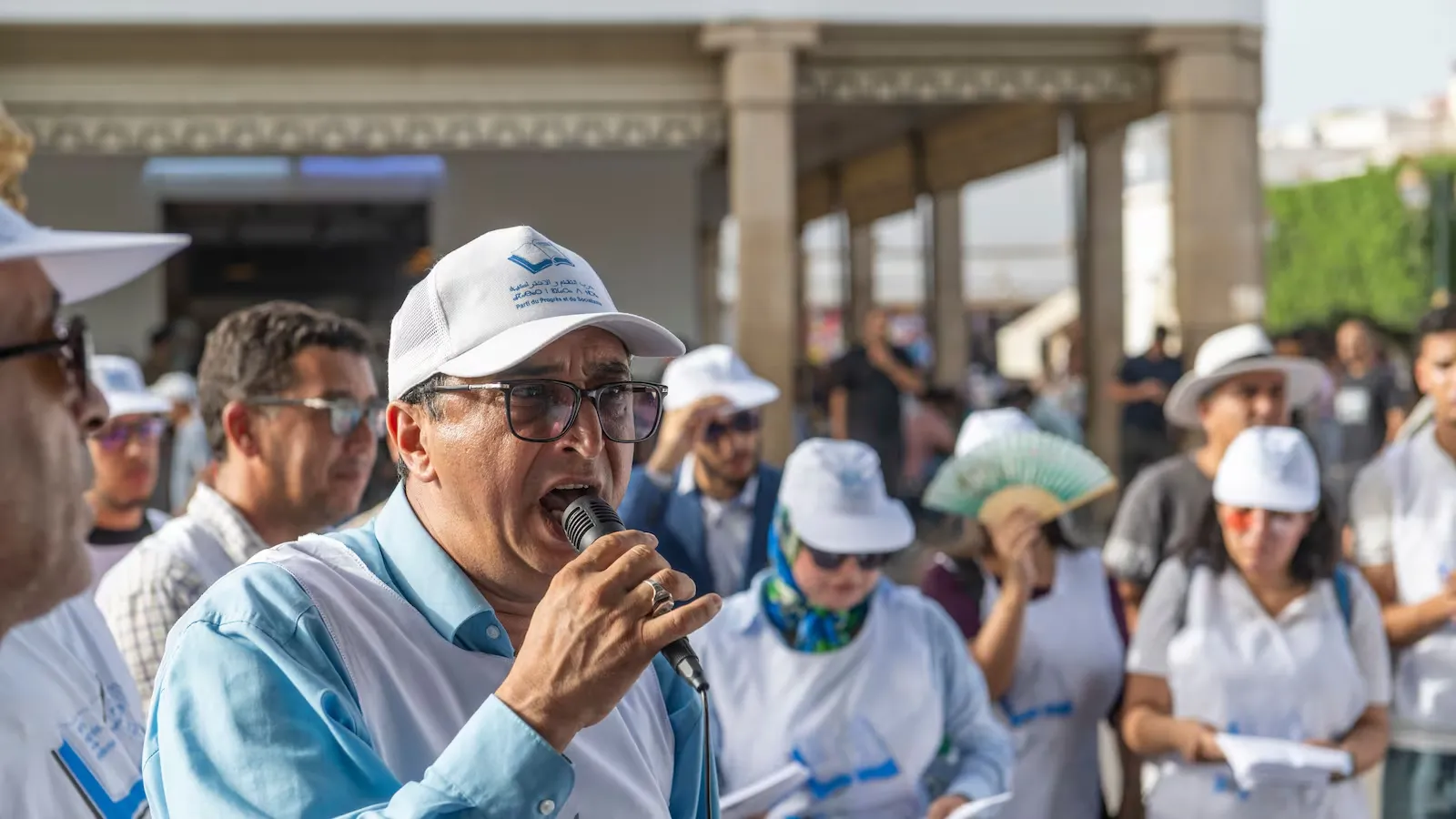
On Sunday, Morocco will conduct a significant general election, an event that holds the potential for a shift in governmental power. However, despite the democratic process, it is widely acknowledged that the king will retain substantial influence over the political landscape. This election takes place against the backdrop of the GenZ 212 youth protests, which erupted last year and marked the most significant civil unrest in Morocco since the Arab Spring of 2011. The protests highlighted widespread discontent among the populace, particularly the youth, who continue to feel the pressure of economic constraints and are increasingly seeking opportunities abroad. Notably, a mass migration episode occurred recently when thousands of individuals crossed into the Spanish exclave of Ceuta in a single day, underscoring the urgency of the situation in Morocco.
Despite the country’s robust economic growth and low inflation rates, the underlying issues that fueled the protests persist. Young Moroccans are still grappling with limited prospects and the allure of a better life elsewhere. The current prime minister, Aziz Akkhanouch, who leads the center-right National Rally of Independents (RNI), has announced his resignation from this position, ensuring that the election will result in a new prime minister, irrespective of the final electoral outcome. The RNI has been governing in coalition with other parties, such as the Istiqlal and the liberal Authenticity and Modernity Party (PAM), both of which have been integral to Moroccan governance for the past two decades.
The Intersection of Politics and Football
As the elections draw near, a notable concern among the citizens revolves around the government's extravagant expenditures on events like the upcoming 2030 World Cup, which many feel detracts from the urgent need for better-funded public services. The juxtaposition of national pride in football against the backdrop of pressing social issues has sparked debates regarding priorities within the government. The interplay between political decisions and popular cultural events like football illustrates a complex dynamic where the monarchy's influence remains a critical factor in shaping Morocco’s future. This election, therefore, is not merely a reflection of political will but also a litmus test of the populace’s dissatisfaction with their socio-economic conditions and the government's responsiveness to their needs.
As reported by irishtimes.com.