
The political landscape in Morocco is heating up as the country approaches the legislative elections scheduled for September 23. With a total of 27 political parties vying for 395 seats in the House of Representatives—the lower chamber of the Moroccan Parliament—there is a significant emphasis on key sectors such as health, education, and employment, alongside efforts to mobilize young voters. The election campaign kicked off on September 10 and will continue until midnight on September 22, just before voters head to the polls to select their representatives.
Key Issues at Stake
In a bid to secure voter support, Moroccan parties are presenting programs that prioritize health, education, and employment. Political candidates and leaders are intensifying their efforts to persuade citizens of the effectiveness of their proposed measures in these critical areas. Political analyst Abdelilah Dagmi notes that parties are strategically focusing on these three sectors to attract voters, stating, "Parties must place health, education, and employment at the core of their programs and treat them as priorities." According to Dagmi, these sectors are among the top concerns for the population.
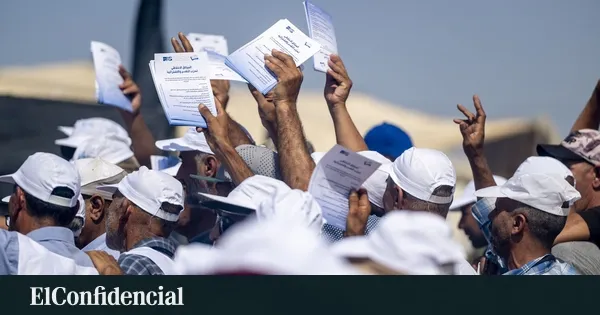
As of the end of July, official records indicated that the number of registered voters had reached 15,801,162 individuals, highlighting the importance of these upcoming elections.
The Demands of Generation Z
Dagmi also emphasizes the necessity for political parties to address the expectations of Generation Z and incorporate their demands into electoral platforms. He points out that many young people from this demographic have taken to the streets to voice their concerns and that political parties must heed these calls, particularly since they reflect legitimate grievances. Between September 27 and October 9, 2025, the Generation Z movement in Morocco organized daily protests advocating for reforms in the education and health systems, as well as a stronger fight against corruption. These mobilizations predominantly featured members of Generation Z, born from the mid-1990s to the early 2000s, in a context characterized by the rise of new technologies and the internet.
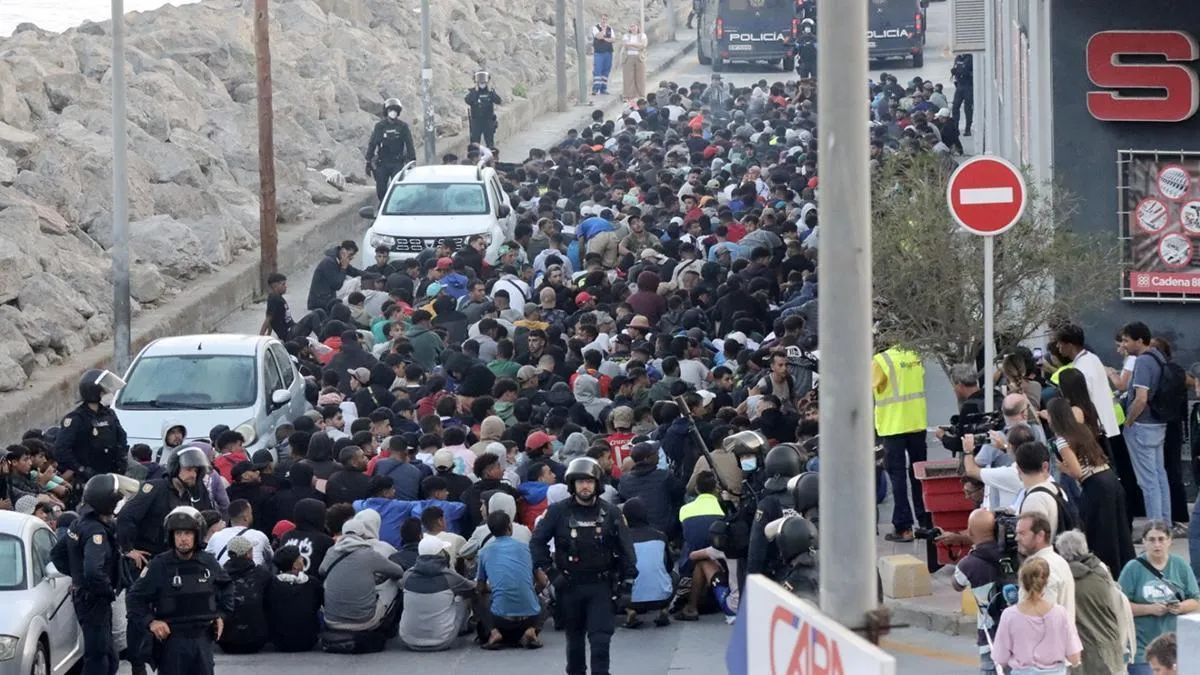
The Moroccan political analyst highlighted the urgent need to address the concerns of this segment of the population, especially in light of recent events in the country, including what has been characterized as one of the largest waves of mass migration towards Ceuta. He urged political parties to intensify their efforts to engage young people, mentor them, and expand their political space.
Relations between Morocco and Spain have become strained following the irregular migration of approximately 70,000 individuals from Morocco to the Spanish-administered city of Ceuta on July 30 and 31. Ceuta and Melilla, along with the Zaffarines Islands and several other rocky islets in the Mediterranean, are under Spanish administration, while Rabat regards them as "occupied Moroccan territories." On November 13, 2025, Moroccan Interior Minister Abdelouafi Laftit pledged to ensure transparency in the upcoming legislative elections, stating that one of the primary challenges would be to establish rules that guarantee the transparency of political and electoral life.
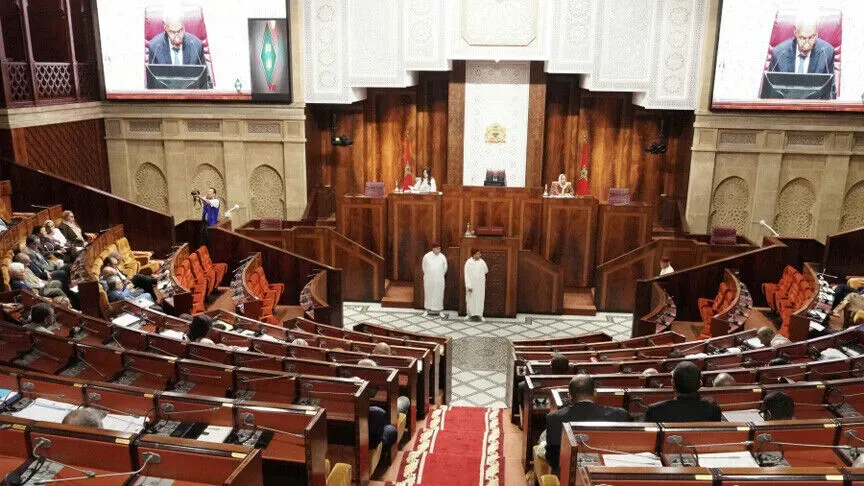
The last legislative elections in Morocco were held on September 8, 2021, with the National Rally of Independents (RNI) emerging as the frontrunner, securing 102 seats. The Authenticity and Modernity Party (PAM) followed in second place with 86 seats, while the Independence Party garnered 81 seats. This election led to the formation of a government headed by Aziz Akhannouch, president of the RNI, within a coalition that also included PAM and the Independence Party. The House of Representatives in Morocco is composed of 395 seats, with its members elected by direct universal suffrage through a list voting system.
As reported by aa.com.tr.