
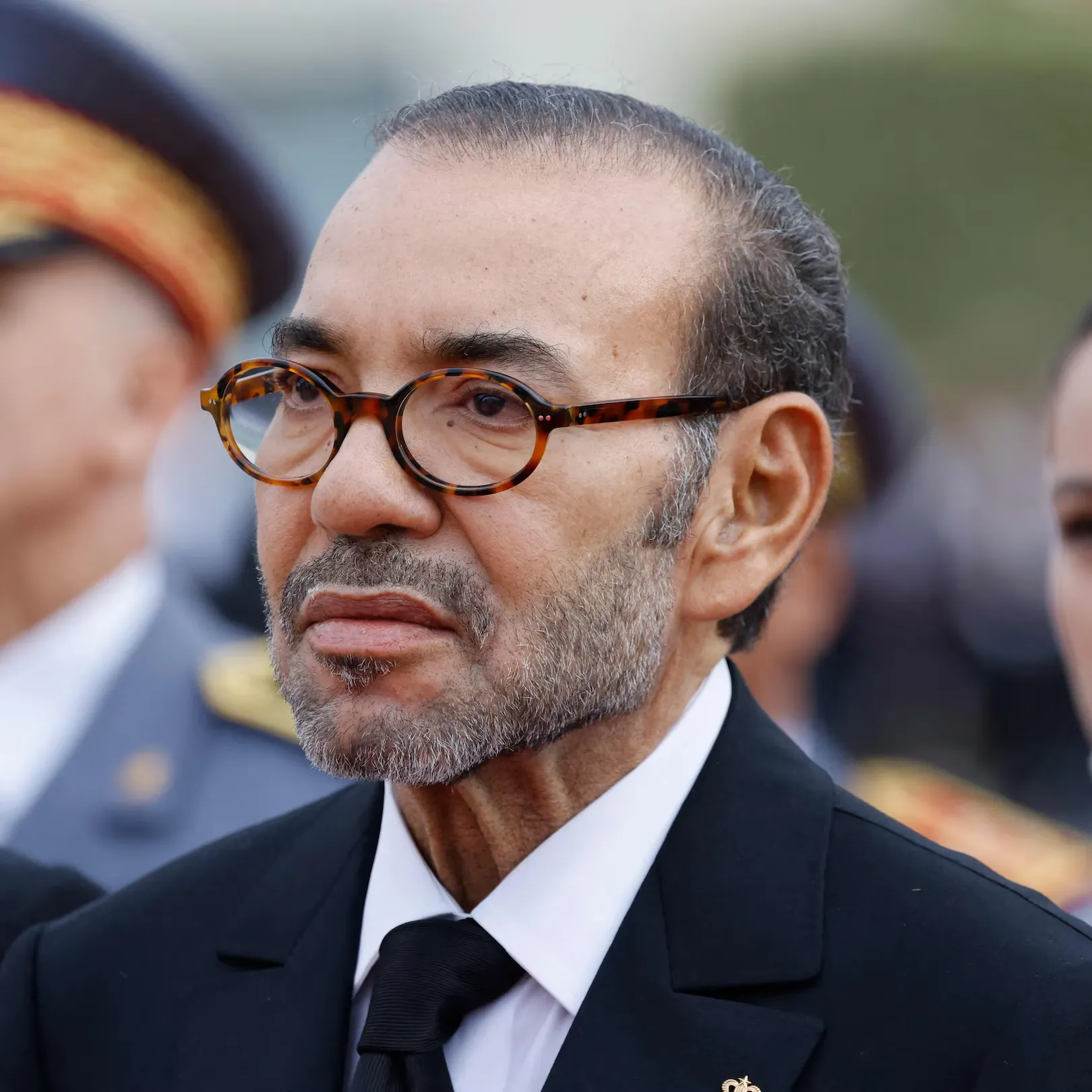

Morocco's Parliamentary Elections: A Landscape of Discontent
Morocco is set to renew its 395-member parliament on September 23, 2026, yet the anticipation surrounding these elections is overshadowed by a palpable sense of disillusionment among the populace. According to political scientist and sociologist Jean-Noël Ferrié, the current political climate reveals that "the King holds a monopoly on leadership, significantly dampening political life. Others might describe this as extinguishing political aspirations. There is no political party that inspires hope, nor any alternative political project that excites the electorate." This sentiment reflects a broader trend of skepticism towards the political system, where the monarchy's influence remains dominant.
The upcoming elections mark the twelfth legislative session in Morocco's history, yet the general apathy towards the political process raises critical questions about the effectiveness of parliamentary representation. Although the parliament is designed to serve as a bridge between the monarchy and the citizens, its actual role often appears limited. The challenge lies in mobilizing voters to participate in a system that many perceive as lacking genuine agency. The monarchy's ability to maintain its status quo while offering a semblance of political representation may ultimately undermine the legitimacy of the electoral process.
This situation prompts a challenging discourse on the nature of political elite formation in Morocco, suggesting that even autocratic regimes necessitate mechanisms for cultivating political elites. As the elections approach, the critical question remains: will Moroccan citizens engage with a political system that they regard as largely ineffective?
As reported by lalibre.be.
