
Morocco's Aspirations Beyond the Stadiums for the 2030 World Cup
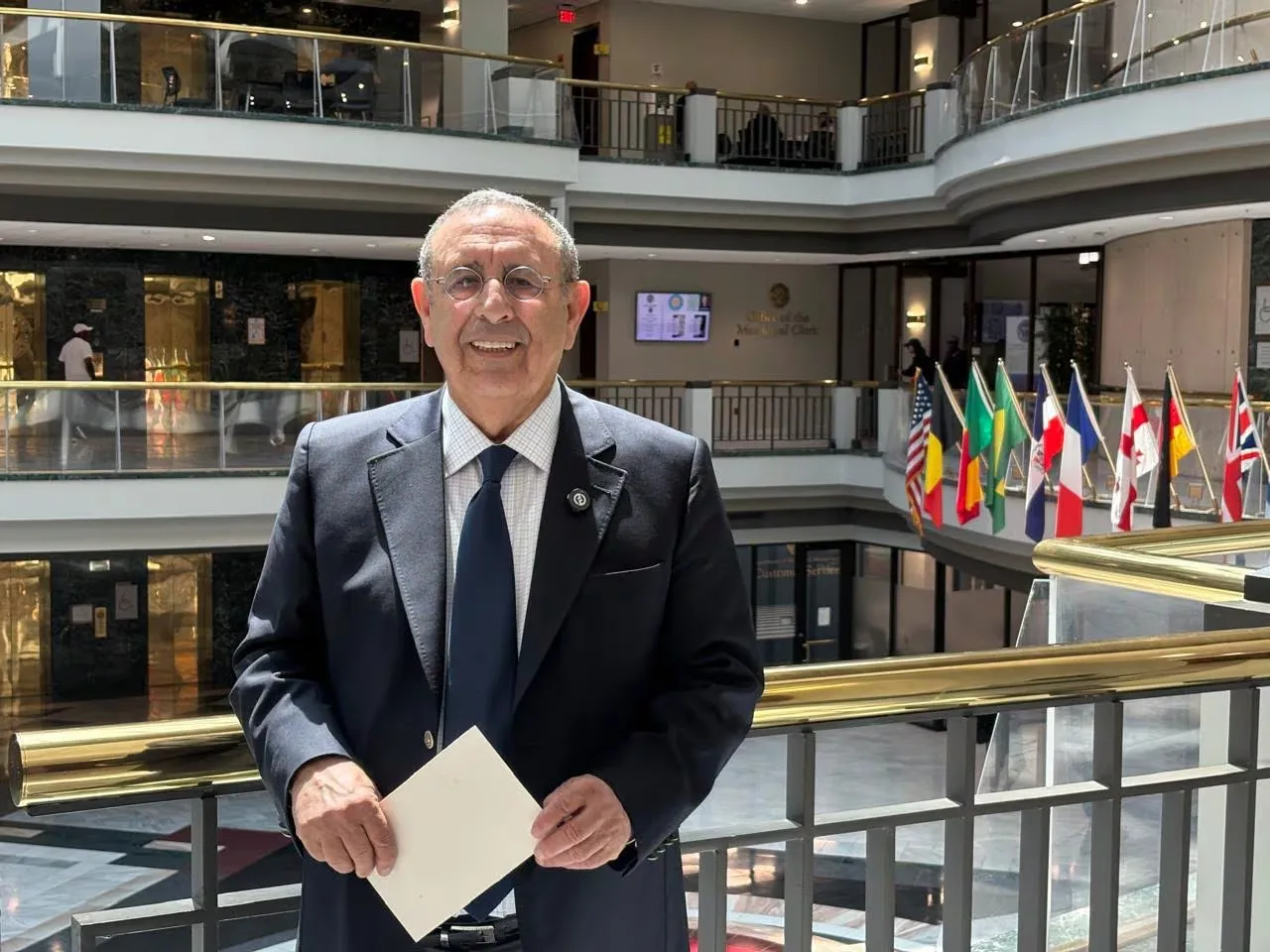
Morocco is determined to ensure that the 2030 World Cup transcends the mere construction of stadiums, aiming instead to leave a lasting economic, social, and diplomatic legacy. This vision was articulated by Youssef Amrani, the Moroccan ambassador to the United States, during his interview on the _Foresight Africa_ podcast, hosted by the Brookings Institution. In a discussion with Landry Signé, a senior fellow at the Africa Growth Initiative, Amrani elaborated on the strategic initiatives that have propelled the Atlas Lions to the forefront of international football and outlined how Morocco plans to leverage its co-hosting of the upcoming World Cup alongside Spain and Portugal.
Amrani emphasized that the 2030 World Cup presents a unique opportunity to showcase Africa's talent, innovation, creativity, and ambition, stating, “Morocco is prepared to change the narrative surrounding African football.” He asserted that the nation’s remarkable journey to the semifinals of the FIFA World Cup 2022 in Qatar and its anticipated advancement to the quarterfinals in 2026 were not mere coincidences, but rather the fruition of a long-term strategy championed by King Mohammed VI.
Building Bridges Between Africa and Europe
The ambassador articulated that the joint bid from Morocco, Spain, and Portugal conveys a message that extends beyond sports. He believes the tournament will illustrate that cooperation among countries, languages, cultures, and continents is not only feasible but effective. Amrani refrained from positioning Morocco solely as a geographical bridge between Africa and Europe, instead highlighting its strong African identity. The objective, he explained, is to demonstrate how both continents can collaborate and forge closer ties between their societies.
Amrani asserted that the 2030 World Cup will allow Morocco to present its accomplishments and what it can offer as a reliable partner. Additionally, he noted that the tournament could play a role in combating the stereotypes that often shape the international perception of Africa, emphasizing that the continent should not be associated exclusively with issues like migration, desertification, climate change, or instability. He reiterated that Africa possesses talent, resources, and the capability to contribute significantly to the global economy and geopolitics, with football and citizen exchanges serving as tools for enhancing mutual understanding and overcoming misunderstandings.
Furthermore, Amrani insisted that the investments made for major competitions must address the structural needs of the country and remain beneficial long after the event concludes. He pointed to Morocco's modernization of its railway network and the development of high-speed trains as examples of infrastructure that transform mobility between cities within the Kingdom. He also linked the sporting strategy to broader continental projects such as the Nigeria-Morocco Atlantic gas pipeline, recently bolstered by an intergovernmental agreement signed by West African countries.
As reported by es.le360.ma.