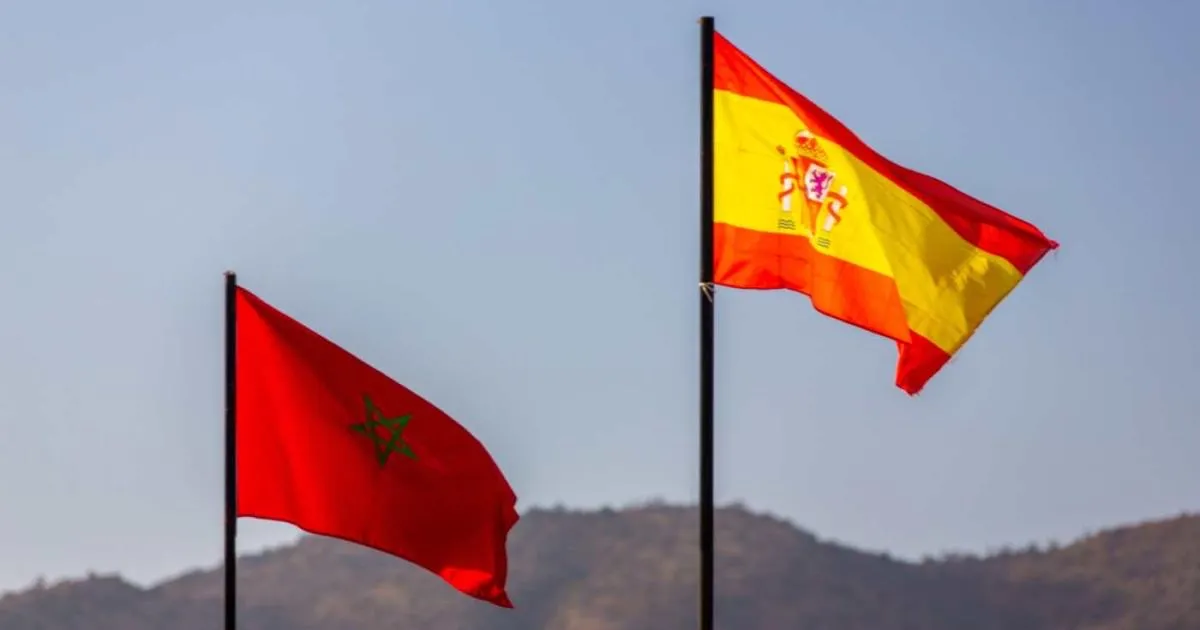

Morocco's Energy Contribution to Spain: A Lifeline in Crisis
In a remarkable turn of events, Morocco has proven to be a crucial ally for Spain during a recent energy crisis, demonstrating the significance of over three decades of energy cooperation between the two nations. As reported, when a blackout struck parts of Spain in 2025, Morocco swiftly stepped in to restore power, showcasing its capability to both export electricity and support its neighbor in times of need. Initially, Morocco relied on Spain for imports of 778 megawatts. However, following the blackout, Morocco's National Office of Electricity and Drinking Water ramped up its output from coal and hydroelectric plants, sending 519 megawatts back to Spain, effectively stabilizing the grid in various regions.
This intervention highlights not only Morocco's growing energy independence but also its strategic importance as a reliable partner in the European energy landscape. As Younes Maamer, the former Director General of the National Office of Electricity, pointed out, the electrical interconnection between Morocco and Spain is not merely a temporary agreement but rather a robust infrastructure developed over years of collaboration that serves mutual interests and promotes economic stability for both countries.
Political Tensions and Energy Infrastructure: A Complex Relationship
Amid rising political tensions, there have been concerns voiced in Spanish media about the potential for the Spanish government to halt some of the energy infrastructure facilitating this interconnection. In response, Maamer emphasized the need for rational analysis of the situation, asserting that the energy flow between Morocco and Spain is a well-established system based on shared interests that transcend political disputes. He argued that energy infrastructure should not be a pawn in political conflicts, as its stability is crucial for both nations' economic and strategic interests.
Furthermore, Maamer elaborated on the long-standing relationship between the Moroccan electricity office and the Spanish electricity market, which dates back to 1997. He noted that Morocco was a pioneer in entering the European electricity market, establishing itself as a significant player through direct transactions in the Iberian market. This integration underscores the interconnectedness of the Moroccan and Spanish energy systems and the importance of maintaining this partnership.
In conclusion, the enduring energy cooperation between Morocco and Spain illustrates that political disagreements cannot easily dismantle the established economic ties developed over the years. As Maamer succinctly stated, "Electricity flows between Morocco and Spain, and it will continue to do so, potentially even between Morocco and Algeria in the future." This statement encapsulates the resilience of energy partnerships, which are vital for ensuring stability and progress in the region.
As reported by goud.ma.