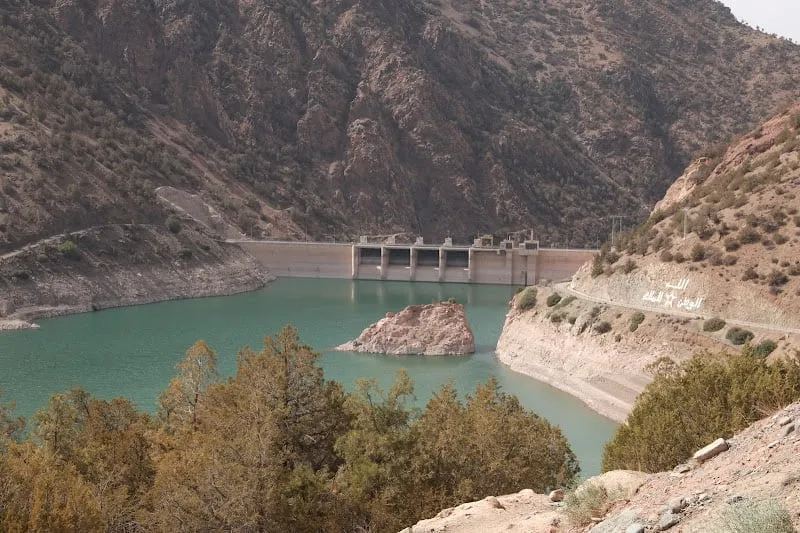

Significant Rebound in Water Reserves
Morocco is experiencing a remarkable rebound in its water reserves, as recent reports indicate that the dam capacity has surged to an impressive 71.4%. This substantial increase marks a significant improvement compared to the previous year's capacity, which was only 32.31% as of March 14, 2025. The data, sourced from the Ministry of Equipment and Water, reveals that the total water reserves now reach approximately 12.38 billion cubic meters, a figure that alleviates longstanding concerns regarding the country's water stress, particularly after a winter characterized by exceptional rainfall and snowfall.
The recovery has been most pronounced in the northern regions of Morocco, where the Loukkos Basin has achieved a remarkable fill rate of 91.7%. Key dams such as the Nakhla Dam, Chefchaouen Dam, and the Moulay Hassan Ben Mehdi Dam are either nearing or have reached full capacity. Similarly, the Sebou Basin, known as the primary water reservoir of the nation, has seen a significant uptick, now boasting a fill rate of 84.04%. The Al Wahda Dam, the largest in Morocco, is currently at 85.26% capacity, containing more than 3 billion cubic meters of water, which is crucial for maintaining the national water balance.
Long-term Water Management Strategies Needed
In addition to these promising figures, the Bouregreg Basin, which serves major coastal cities such as Rabat and Casablanca, has reached a capacity of 92.7%, with the Sidi Mohammed Ben Abdellah Dam specifically hitting 95.49% capacity. This surge in water levels is essential for securing the water supply for Morocco's vital economic corridor. The Oum Er-Rbia Basin, which suffered from severe drought in previous years, has also shown signs of recovery, currently sitting at 53.95% capacity, up from below 8% last year.
While these developments are encouraging, experts caution that this improved situation must be managed with care. The country is encouraged to invest in sustainable long-term water strategies, including seawater desalination and inter-basin water transfer projects, to prepare for the challenges posed by climate change. The overall increase in national water reserves not only enhances Morocco's agricultural capabilities but also secures drinking water supplies, allowing for a more flexible approach to water resource management without necessitating stringent conservation measures.
As reported by en.hespress.com.