Morocco's World Cup Hosting as a Development Catalyst
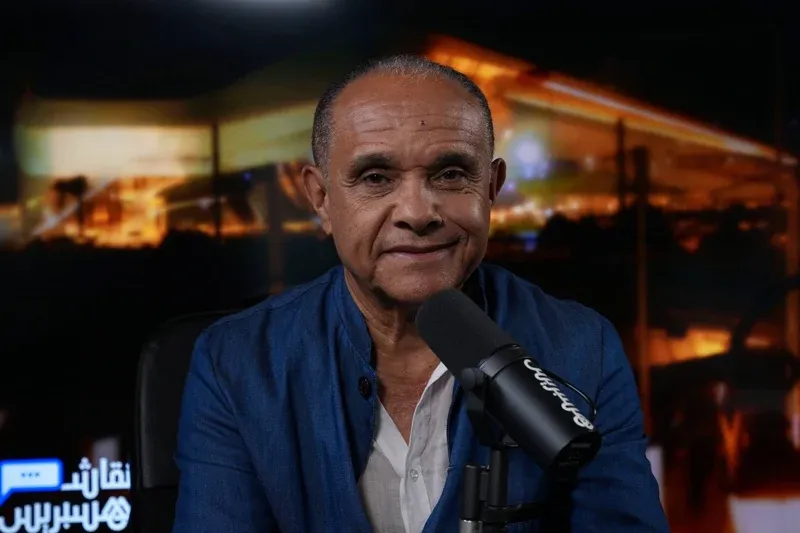
As Morocco accelerates its preparations to host the 2030 FIFA World Cup, the nation is simultaneously advancing various infrastructure projects across its regions. Sports analyst and technical expert Aziz Daouda emphasizes that this global event presents a historic opportunity to expedite development and achieve significant advancements in transportation, facilities, and services. He points out that the organization of major sporting events in recent years has increasingly become contingent upon the stringent conditions and demands set forth by international sports bodies for host nations. Daouda confidently asserts that Morocco has effectively leveraged the World Cup as a driving force for both economic and social development, thereby enhancing its regional and international stature.
In a discussion during the "Hespress Debate" program, Daouda articulated that hosting the World Cup represents a genuine developmental accelerator for Morocco, enabling the completion of infrastructural projects that would typically take decades to realize. He highlighted the remarkable speed with which the Kingdom has initiated projects that would otherwise have taken years, using sports as a positive catalyst to implement a comprehensive developmental plan, contrasting with countries like the United States, which do not face such structural challenges and view hosting merely as a competitive endeavor.
Challenges and Opportunities in Perception
Moreover, the sports expert interpreted the media attacks directed at Morocco by certain neighboring countries and regional systems as stemming from a "victim complex" prevalent within their regimes. He explained that the sight of Moroccan development, cleanliness, and infrastructure—despite its limited natural resources—elicits internal embarrassment for those nations, prompting them to export their crises by vilifying Morocco and justifying their failures through colonial narratives.
On the marketing and communication front, Daouda criticized the Moroccan mentality that perpetually seeks validation and praise from foreign entities, urging a departure from this cultural norm. He stressed the need to cultivate a robust and coherent national media narrative capable of effectively communicating Moroccan achievements to the world, particularly to the English-speaking regions of Africa, which are often overlooked. This approach should replace the random reliance on influencers who fail to deliver the desired impact.
Daouda expressed immense optimism, indicating that Morocco is currently experiencing a renaissance in reclaiming its historical and natural status as a significant economic and cultural power. He praised the Moroccan people's steadfastness in preserving their identity as a fundamental prerequisite for progress.
In conclusion, the sports analyst urged both the sports media and fans to manage their emotional investment in supporting the national team. He advocated for a realistic approach to football that accepts the dynamics of winning and losing, cautioning that excessive psychological pressure could yield adverse results. At the same time, he underscored the importance of ongoing effort and optimism to achieve the best outcomes.
As reported by hespress.com.