
Morocco's Quarter-Final Exit: A Disheartening End to African Hopes
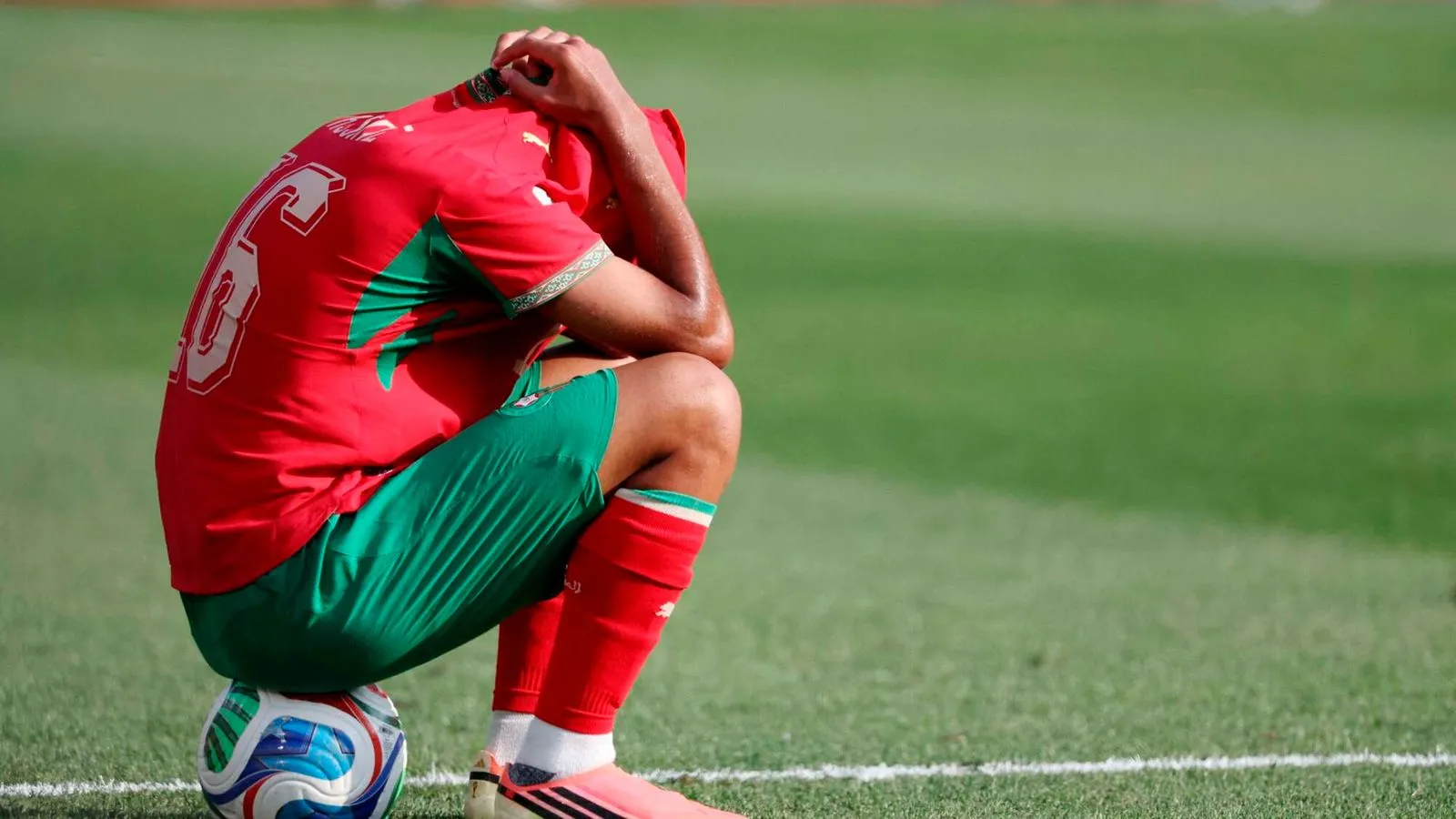
In a poignant moment for African football, Morocco's journey in the 2026 FIFA World Cup concluded with a 2-0 defeat against France in the quarter-finals, marking a significant departure from their historic semi-final appearance in Qatar just four years prior. This outcome not only ended Morocco's campaign but also abruptly extinguished Africa's aspirations for World Cup glory this time around. The Atlas Lions, who had propelled the continent further than any other team in consecutive tournaments, faced a disappointing conclusion to what had initially promised to be a transformative chapter for African football.
The tournament was a landmark event for African representation, featuring a record ten teams from the continent competing in the United States, Mexico, and Canada. Remarkably, nine of these teams advanced to the Round of 32, with only Tunisia failing to progress past the group stage. Teams such as Algeria, Cape Verde, Côte d'Ivoire, DR Congo, Egypt, Ghana, Morocco, Senegal, and South Africa showcased Africa's burgeoning football prowess by reaching the knockout phase. However, Morocco's defeat to France raised an uncomfortable question: Was this truly Africa's most successful World Cup, or simply a reflection of the continent's growing depth without the necessary edge to convert opportunities into lasting success?
Assessing Progress and Future Challenges for African Teams
Despite the heart-wrenching loss, Morocco's coach, Mohamed Ouahbi, maintained that his team left a positive impression after their hard-fought performance. He urged his players to hold their heads high, emphasizing the importance of reflection and progression following their elimination. CAF president Patrice Motsepe echoed this sentiment, noting that the tournament highlighted the benefits of investing in youth development, coaching, domestic leagues, and infrastructure across Africa.
Historically, Africa's journey in the World Cup has been filled with moments of both triumph and heartbreak. From Cameroon’s historic quarter-final run in 1990 to Morocco's groundbreaking semi-final achievement in 2022, the continent has witnessed the evolution of its football narrative. However, the recent tournament revealed that while many African teams showcased talent and potential, the ability to manage critical moments in knockout football remains a significant area for improvement. Instances such as Senegal's late collapse against Belgium, where they surrendered a 2-0 lead, and Egypt's near upset of Argentina, only to be thwarted in the dying minutes, serve as reminders of the thin margins that separate success from disappointment.
Moreover, the tournament brought to light not only the athletic struggles faced by African teams but also the political and social dynamics influencing fan support. Instances of divided loyalties among fans, particularly during South Africa's opening match against Mexico, highlighted underlying tensions within the continent. Cape Verde's commendable debut, where they finished unbeaten in the group stage, was a bright spot amidst the challenges faced by other nations.
As African football continues to evolve on the global stage, the lessons learned from this World Cup will be crucial. The emphasis on concentration, game management, and emotional control in high-stakes matches cannot be overstated. With the right focus and continued investment in grassroots development, African teams can aspire to convert their potential into tangible success in future tournaments.
As reported by nation.africa.