
Moroccan Elections: A Response to Youth Frustration and Migration Issues
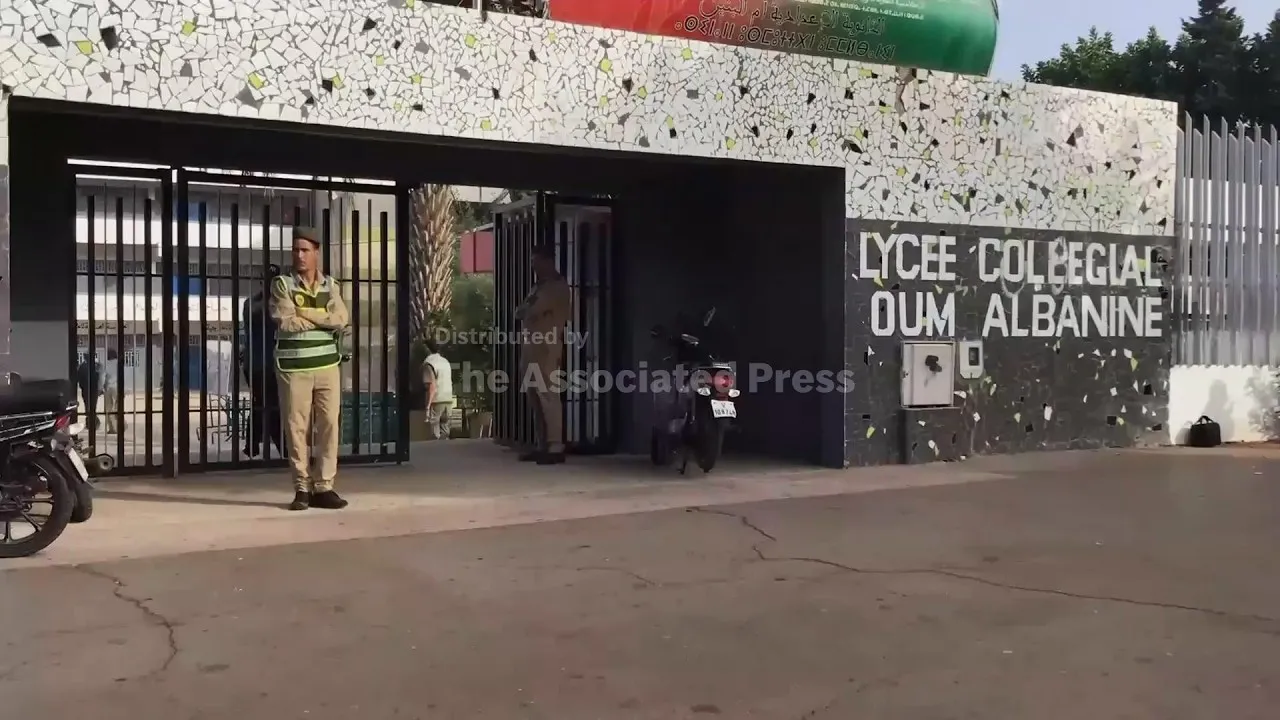
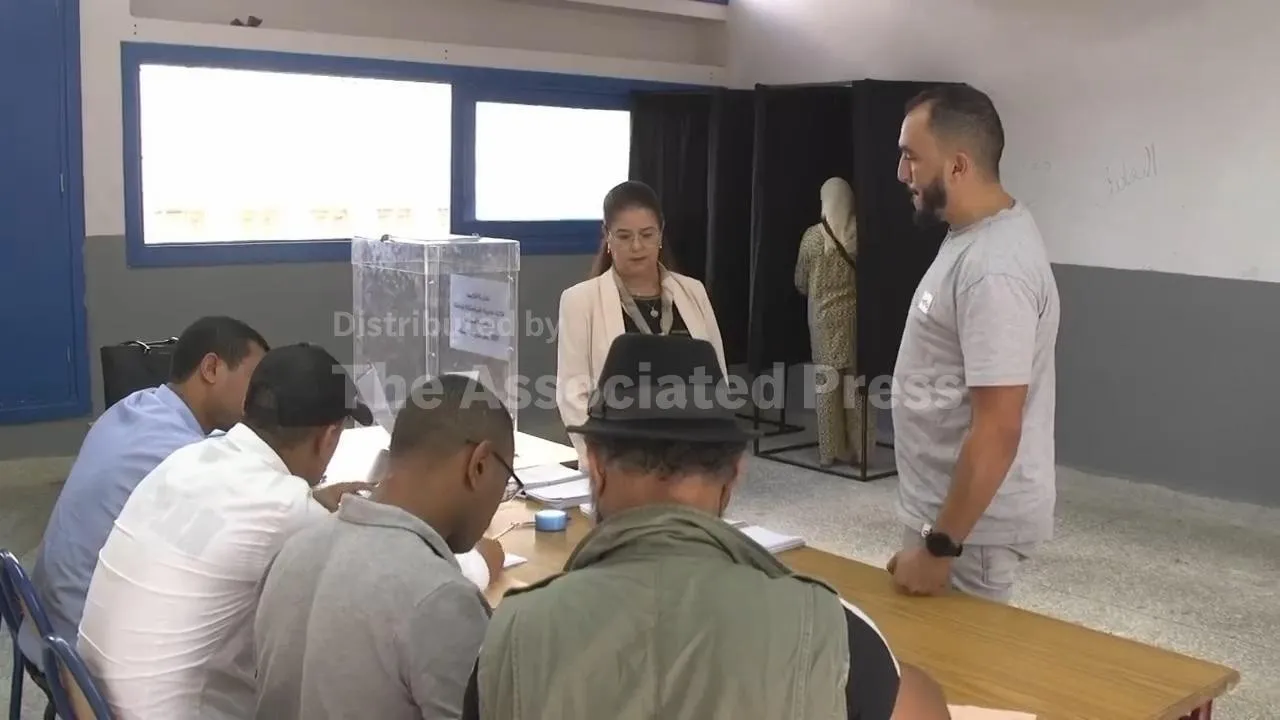
In a pivotal moment for Morocco, the nation is witnessing a significant electoral process as citizens head to the polls to vote for a new parliament, following a tumultuous year marked by protests led by the younger generation and a migration crisis. With approximately 16 million registered voters, the stakes are high as the country prepares to select representatives for the 395-seat House of Representatives. This election is particularly crucial as it comes in the wake of widespread unrest among young Moroccans, who have expressed deep dissatisfaction with the status quo, particularly regarding employment opportunities, education quality, and healthcare access.
Recent events have highlighted the urgency of the situation. The Ceuta crisis in July 2026, where thousands attempted to breach the border into the Spanish enclave, underscored the desperation felt by many young individuals seeking a better life. Furthermore, the protests last year, which were primarily driven by Gen Z activists, called attention to the growing frustration over the lack of political engagement and tangible change in their daily lives. Many young voters are now approaching this election with skepticism, uncertain if their participation will yield the improvements they desperately seek.
The Road Ahead: Challenges for the Incoming Government
As voters cast their ballots, they are acutely aware that the next government will face immense challenges. Key among these is the need to manage a substantial influx of investment, especially as Morocco gears up to co-host the 2030 FIFA World Cup. This responsibility has led some observers to label the upcoming administration as the "World Cup government," tasked with not only preparing for a major international event but also addressing the pressing needs of its citizens. The Moroccan constitution mandates that the king appoint the head of government from the party that secures the most seats, complicating the political landscape as no single party is expected to gain an outright majority. This situation will necessitate coalition-building among various political factions, which could either foster collaboration or lead to further political gridlock.
As the election results are anticipated to be announced shortly, the eyes of the nation remain focused on the potential for change. Voters, particularly those from the younger demographics, are hopeful that this electoral process will not only reflect their demands but also translate into actionable policies that improve their quality of life. This election represents not just a political moment but a potential turning point for Morocco's future, as the voices of the youth are increasingly recognized in the political arena.
As reported by youtube.com.