
Rallying for Justice: Families of GenZ Detainees Seek Freedom
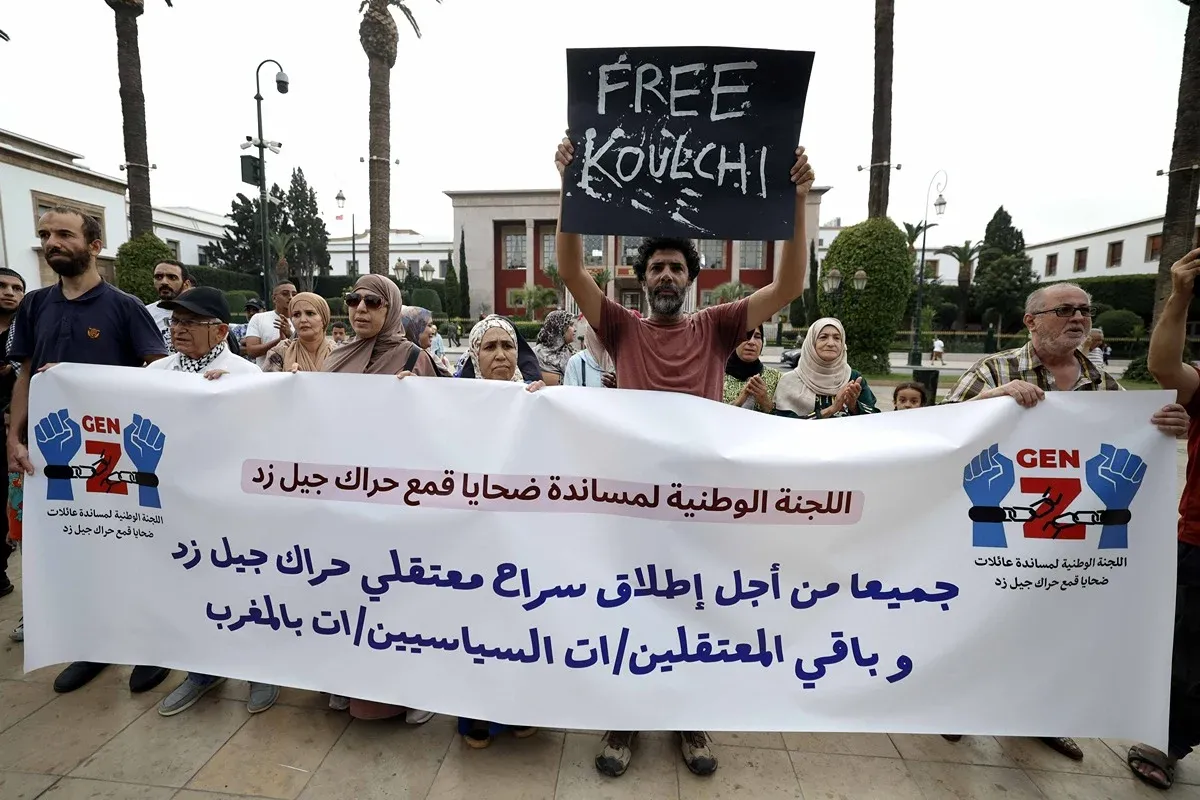
On September 26, 2026, exactly one year after the wave of arrests that followed protests in various Moroccan cities during September and October 2025, mothers of young detainees involved in the GenZ movement held a protest rally outside the Parliament in Rabat. The families gathered to urge authorities for the release of their children while highlighting the profound social, educational, and psychological consequences stemming from the prolonged detainment of these youths.
In conversations with Hespress, numerous mothers shared firsthand accounts of the direct impacts these arrests have had on their children's lives. Among those incarcerated are minors who were just 15 years old at the time of their arrest, as well as students and vocational trainees whose educational journeys have been abruptly disrupted.
The Struggles of Families and Calls for Intervention
Families have also brought attention to the financial strain and psychological distress faced by grieving mothers, who are compelled to travel long distances for prison visits and court hearings. They have made a heartfelt appeal to King Mohammed VI for the release of their children, yearning for them to resume their lives and education. Present at the rally was human rights activist Khadija Ryadi, representing the National Front in support of families of victims of the GenZ movement's repression. She reiterated the collective's demands and praised the courage exhibited by these mothers. Ryadi highlighted that many young individuals have remained behind bars for over a year, awaiting the conclusion of their judicial processes, enduring extended detention that adversely affects their physical and mental health.
This demonstration comes in the wake of a June ruling by the criminal chamber near the Casablanca Court of Appeals concerning 18 individuals charged with obstructing traffic on the highway during protests on September 28, 2025. Sentences of 8 months in prison allowed 13 of them to regain their freedom, while others received suspended sentences or 9 months of imprisonment.
However, contrary to the outcomes seen in Casablanca, several youths from other regions continue to be incarcerated, awaiting their final judgments. In light of this troubling situation, families and human rights advocates are appealing to the highest state authorities for the release of the remaining detainees, so they may reintegrate into their homes and return to their educational and professional pursuits.
As reported by fr.hespress.com.