
The Enigmatic Mount Fhas and Its Strategic Importance
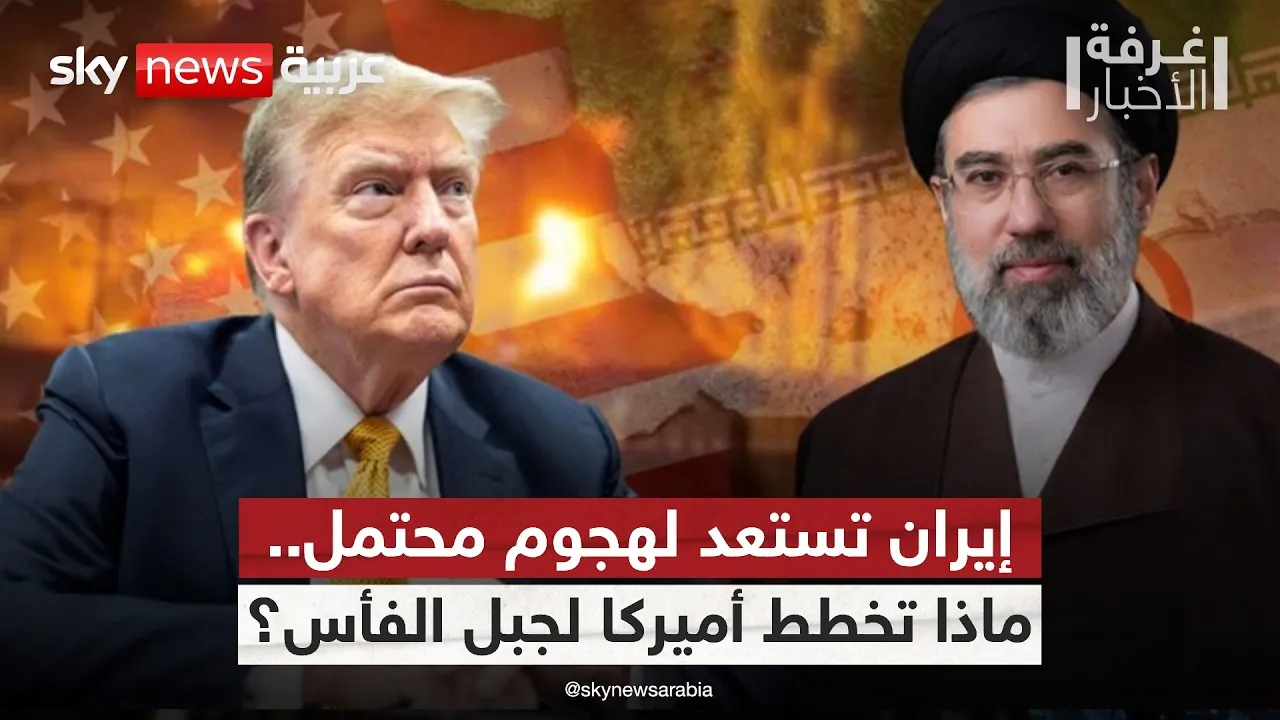
Deep within the Iranian mountains near the city of Natanz lies not just a conventional military facility, but one of the most controversial and enigmatic sites in the Iranian nuclear dossier known as Mount Fhas, or Pickaxe Mountain. This deep underground complex, referred to in Iran as Kuh Kalang Gaz, has recently emerged as a key focal point in the confrontation between Washington and Tehran, especially following threats from former U.S. President Donald Trump to target and destroy it. This site is perceived as a critical link that could enable Iran's nuclear program to persist despite any military strikes on other facilities.
Strategically located just south of the Natanz nuclear facility, Mount Fhas is significant not only for its geographic position but also for its sophisticated engineering design. Construction of this site commenced in 2020 after Iran faced numerous attacks and acts of sabotage on its other nuclear installations. The establishment of Mount Fhas reflects Iran's desire to create a robust fortification that would keep its nuclear infrastructure beyond the reach of conventional airstrikes.
Built into solid granite rock layers, the depths of Mount Fhas have transformed into a complex network of tunnels and protected facilities. Estimates suggest that some sections of this site lie hundreds of meters underground, making any military engagement with it far more challenging than with facilities like Natanz and Fordow, which until recently represented the pinnacle of Iranian fortification.
The Dilemma for Washington and Regional Implications
Western intelligence reports indicate that Iran may have transferred a significant number of advanced centrifuges to this site after previous facilities suffered substantial damage from airstrikes. Some estimates suggest that Mount Fhas could serve in the future as a center for maintaining a crucial part of the enrichment cycle, hidden from the eyes of international monitors. However, Iran maintains that the facility is solely for manufacturing and assembling centrifuges and is not used for any military purposes or nuclear weapons production.
The mystery surrounding Mount Fhas, combined with the refusal to allow International Atomic Energy Agency (IAEA) inspectors access, has made it a primary concern for several Western capitals. For the United States, the issue is not only about what exists within the mountain today, but also about the capabilities this location provides Iran to rebuild its nuclear program away from military strikes.
Trump's recent focus on Mount Fhas stems from an understanding that targeting visible installations like Natanz or Isfahan may only result in temporary disruptions to the program. He acknowledged that as long as there is a fortified site capable of housing sensitive equipment, Iran could quickly reactivate its nuclear capabilities. Thus, Trump issued a direct threat, asserting that Washington is monitoring Mount Fhas closely and may strike it at any time.
The pressing military question remains: Can the U.S. actually destroy Mount Fhas despite its strong fortifications and harsh geography? The answer is complex, as it involves a confrontation between immense destructive power and a facility designed specifically to withstand such force. While the U.S. possesses bunker-buster bombs like the massive GBU-57, military experts caution that the depth of the complex, the surrounding rock formations, and the multitude of tunnels make complete destruction a highly complicated, if not impossible, task.
Precision and sustained airstrikes may succeed in closing some entrances or damaging parts of the outer structure, but they do not guarantee the eradication of everything inside the mountain. Washington may find itself in a situation requiring repeated and expensive operations that do not assure success, which explains why this facility remains a significant concern for the U.S., even with its formidable aerial arsenal.
The experiences of previous American attacks on Iranian nuclear sites should provide a crucial lesson: even strikes targeting prominent locations like Natanz and Fordow did not lead to the complete termination of Iran’s nuclear program but rather escalated into a race between the ability to destroy and the capacity to rebuild.
Ultimately, Mount Fhas is not merely a military target for Trump; it represents a political and military test of the limits of American power. If Washington successfully neutralizes and destroys it, it would mark a significant strategic victory. Conversely, failure to achieve this objective may provide Iran with a potent propaganda and political tool to assert that its nuclear program can withstand even the mightiest of militaries.
The most considerable risk, however, lies not only within the mountain itself but also in the potential repercussions of an attempt to destroy it. Iran is not an isolated state and possesses extensive missile capabilities and a network of allies and regional influence that could open multiple fronts from the Gulf to the Levant. Any significant strike against a strategic facility like Mount Fhas could escalate into a regional war that is difficult to control.
Given the American fears and military assessments, the diplomatic option remains more rational and logical than continuing the cycle of strikes and retaliations, especially after Iran has expressed a willingness to return to the negotiating table. This represents a political opportunity that should not be squandered. The ultimate goal is not merely to destroy mountains and infrastructures but to reach an agreement that ensures oversight and transparency, preventing the nuclear issue from igniting a broader war that engulfs the region.
The United States may be capable of launching severe and painful strikes, but it cannot change the nature of Iran or topple a nation with a rich history, significant size, solid military capabilities, and extensive interests in the region. Moreover, Iran is acutely aware that continued escalation carries substantial costs for itself and its surroundings.
As the conflict persists, Mount Fhas may become a symbol of a historical moment testing American power against fortifications, engineering, and geography, acknowledging that even the most powerful bombs do not always resolve the battles hidden within mountains. Perhaps political wisdom is more potent than any bunker-buster weapon, as American airstrikes, if they occur, may not necessarily succeed any more than those targeting Fordow and Natanz, which have shown that destroying facilities does not equate to ending a program.
In conclusion, the golden opportunity that Trump must seize today lies not in selecting the type of bomb capable of penetrating the mountain but in choosing the political path that can breach the wall of mistrust between the two parties. Accepting Iran’s return to negotiations represents a window that should not be closed by airstrikes, which, no matter their might, may not achieve the downfall of Iran or alter its strategic reality. Instead, they could compel Iran to utilize all its regional leverage and inflict significant damage on U.S. allies and interests in the region before the silent mountain beneath the earth ignites a destructive confrontation whose conclusion is uncertain.
As reported by ida2at.org.