
National Initiative for Environmental Sustainability
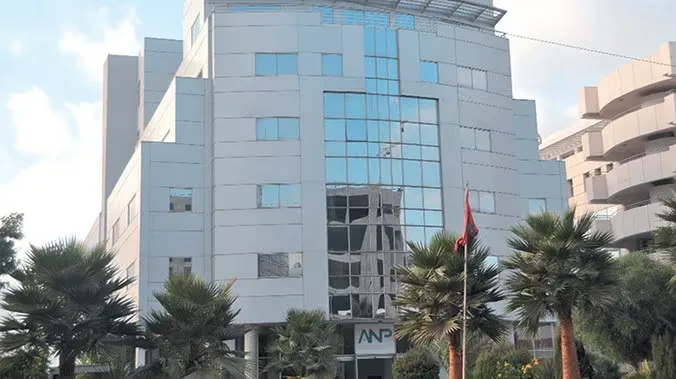
In the spring of 2026, the National Ports Agency (ANP) of Morocco embarked on an ambitious consultation aimed at quantifying greenhouse gas emissions from its coastal facilities. This initiative is based on data gathered from the years 2022 to 2025 and seeks to identify the highest-emitting sources to implement a targeted reduction action plan and train internal teams for ongoing environmental monitoring. This comprehensive project reflects the agency’s commitment to social and environmental responsibility.
Methodology and Goals of the Study
The study encompasses all Moroccan ports under the agency's jurisdiction, which are organized into ten regional divisions: Nador, Tangier, Mohammedia, Casablanca, Jorf Lasfar, Safi, Agadir, Tan-Tan, Laâyoune, and Dakhla. It will evaluate both direct and indirect emissions sources, including building energy consumption, fixed assets, material purchases, transportation, business travel, and waste management. The selected contractor for this study is expected to utilize international standards such as the Carbon Footprint methodology, the GHG Protocol, and ISO 14064, ensuring that the analysis aligns with national energy and logistics contexts.
Moreover, the project emphasizes transparency regarding potential errors and uncertainties in the data gathered. The roadmap involves three core missions: first, analyzing the carbon footprint baseline from 2022 and assessing the reduction measures already undertaken by the ANP; second, quantifying emissions for 2025, with reports organized by port and region, accompanied by a customizable calculation tool; and third, dedicating efforts to training and transferring expertise to ANP's internal teams to facilitate independent annual monitoring. Upon completion of this extensive study, a prioritized action plan for greenhouse gas reduction will be developed, including a technical and economic feasibility assessment. This plan will focus on enhancing energy efficiency, electrifying handling equipment, promoting renewable energy sources, and optimizing port logistics flows.
As reported by fr.le360.ma.