

The Imperative of a Cohesive Government
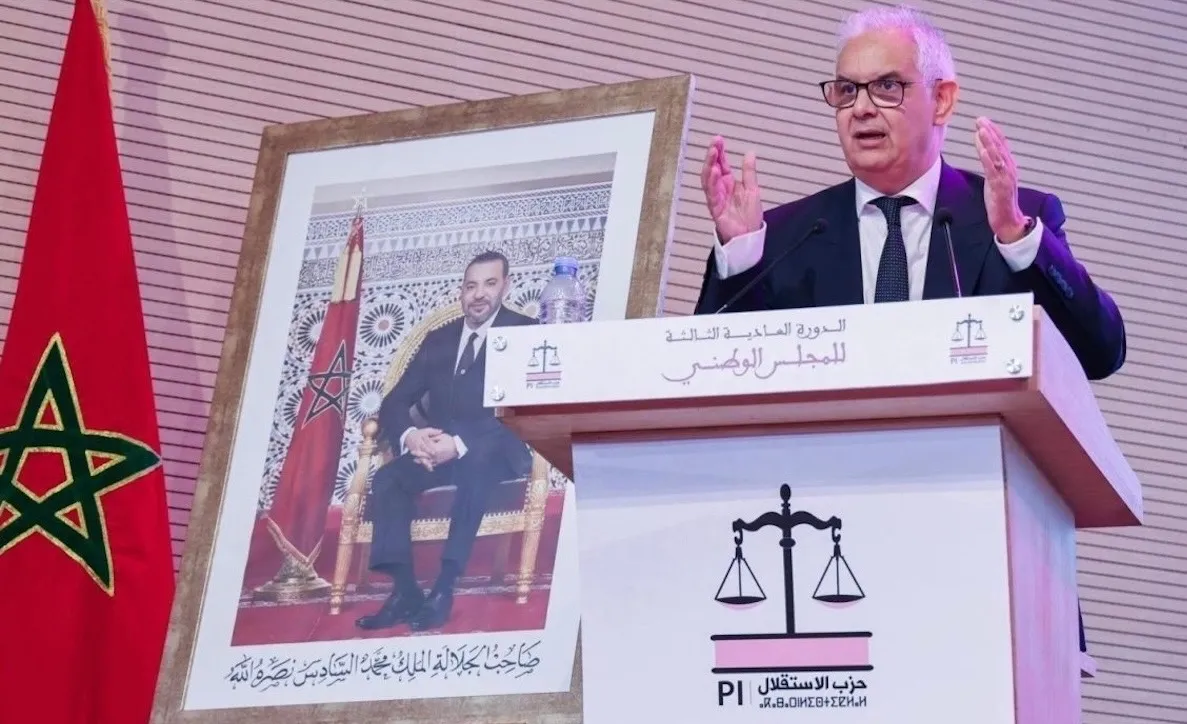
The latest indications from Morocco's ongoing consultations to establish the forthcoming government reveal an ambition that transcends merely piecing together a parliamentary majority. Fatima Zahra Mansouri, who has been designated as the Head of Government, is reported to be focused on constructing a government that is not only politically robust but also coherent, organized around complementary sectoral groupings and driven by well-defined guiding principles. This approach is essential in the current political landscape of Morocco, where the challenge is not just about creating a government that can withstand parliamentary arithmetic but rather about forming an executive that can adeptly address the confluence of economic pressures, rising social expectations, evolving geopolitical dynamics, and the increasing demand for political credibility. The importance of this message was underscored by Nizar Baraka, Secretary-General of Istiqlal, during an extraordinary National Council meeting of his party, which contemplates whether to join the next government while evaluating both its electoral performance and the commitments it is willing to undertake. Therefore, the discussion extends beyond the mere allocation of ministerial portfolios to encompass the type of political contract that should underlie the next phase of governance.
Confronting the Challenges Ahead
While coalition negotiations are often dictated by numerical strength, it is essential to recognize that effective governance cannot be built on numbers alone. A coalition may possess a parliamentary majority yet remain politically fragmented. Conversely, parties with differing traditions can sometimes forge a cohesive governing program if they establish clear priorities, responsibilities, and coordination mechanisms. This highlights the significance of the emphasis on creating a “strong and cohesive” government. Morocco is now faced with a policy agenda that requires integrated responses rather than isolated sectoral solutions. It is imperative to connect employment with education and skills, link purchasing power to social protection, taxation, and economic competitiveness, and recognize that youth inclusion intersects with housing, education, and employment opportunities. Women’s empowerment likewise has ramifications across the labor market, public policy, and social development. Thus, the next government will not merely be assessed by the number of ministries it comprises but rather by the effectiveness with which these ministries collaborate as parts of a unified policy framework. The aim to establish sectoral “poles” signifies an effort to address the challenge of fragmentation and foster better coordination around strategic policy priorities.
As reported by atalayar.com.
