
Political Alliances and Challenges for Fatima Ezzahra El Mansouri
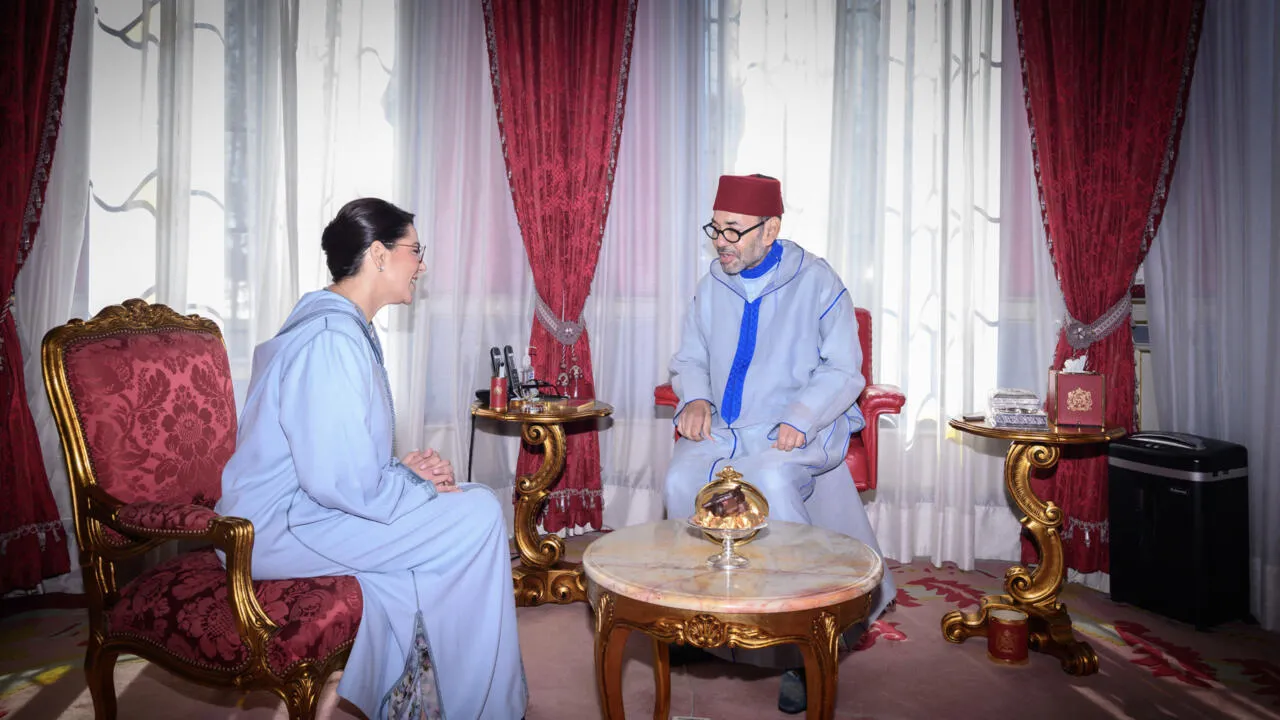
Immediately after her appointment, Fatima Ezzahra El Mansouri, the new head of the Moroccan government, has embarked on the intricate task of forging political alliances, as highlighted by the daily newspaper L’Opinion. The critical question now is: with whom will she form the most cohesive coalition? The consultations initiated by the head of the Authenticity and Modernity Party (PAM) are crucial. El Mansouri has already commenced discussions with her former allies from the outgoing coalition, namely the National Rally of Independents (RNI) and the Istiqlal Party. The Islamist Justice and Development Party (PJD) was also invited to the talks; however, as L’Opinion notes, they have unequivocally rejected the idea of participating in a government led by PAM, promising instead to mount a vigorous opposition in Parliament. The PJD, having unexpectedly secured fourth place in the recent elections with 54 seats, sees itself as the leader of the opposition, positioning itself to counter the ruling coalition effectively.
Urgent Economic and Political Considerations
As the publication Jeune Afrique raises the alarm, the challenge for PAM is to construct a coalition that transcends mere political appointments. El Mansouri faces the daunting task of not only convincing abstainers to engage in the political process but also translating the electoral victory of September 23 into meaningful governance. The new government must avoid the classic pitfalls of coalition politics, particularly the tendency to allocate ministerial portfolios without a clear political and economic framework. The pivotal question is not merely about who will govern with whom, but rather under what political and economic contract this governance will occur. A party can win an election based on a compelling political narrative; however, sustainable governance necessitates a coherent methodology.
This methodology will be primarily assessed based on tangible economic outcomes. Last year, Morocco created 193,000 jobs, yet the unemployment rate among youth aged 15 to 24 exceeded 37%, with nearly 20% of graduates and women similarly affected. Alarmingly, underemployment has now reached 1.9 million individuals. The upcoming government must address not just statistical crises but also a fundamental question of economic modeling: how can growth, investment, and large-scale projects be transformed into a sufficient number of quality jobs?
Moreover, Jeune Afrique underscores another pressing issue that is less quantifiable: the restoration of public trust. The turnout in the September 23 elections was a mere 38%, a significant drop from just over 50% in 2021, with more than sixty percent of registered voters abstaining. Although this statistic alone cannot fully explain the reasons behind the abstention, it signals a crucial political message that the new government must heed.
In light of these challenges, the question posed by Afrik.com looms large: how far can Fatima Ezzahra El Mansouri go in challenging the system, particularly in the face of powerful billionaires like her predecessor, Aziz Akhannouch? El Mansouri has openly criticized conflicts of interest during her campaign, yet she served in the billionaire’s government for five years as Minister of Housing. The real test will come with her presentation of the 2027 finance bill to Parliament in the coming weeks, which will reveal the extent of her willingness to confront those with whom she has previously shared power.
As reported by rfi.fr.