
Understanding the Shift in U.S. Diplomatic Strategy
In recent weeks, American diplomatic messaging surrounding Western Sahara has intensified, leading many observers in Middle Eastern capitals to speculate about potential shifts in U.S. policy. Officially, the United States maintains its recognition of Morocco's sovereignty over the contested territory. However, senior officials have begun to emphasize that the long-standing conflict remains unresolved, indicating that a swift resolution is not on the horizon. This may sound like a retreat to some, but in reality, it reflects a more nuanced and strategic approach by Washington. Rather than abandoning its policy, the U.S. has transitioned from a stance of reaffirmation to a focus on the intricate mechanics necessary for a diplomatic resolution.
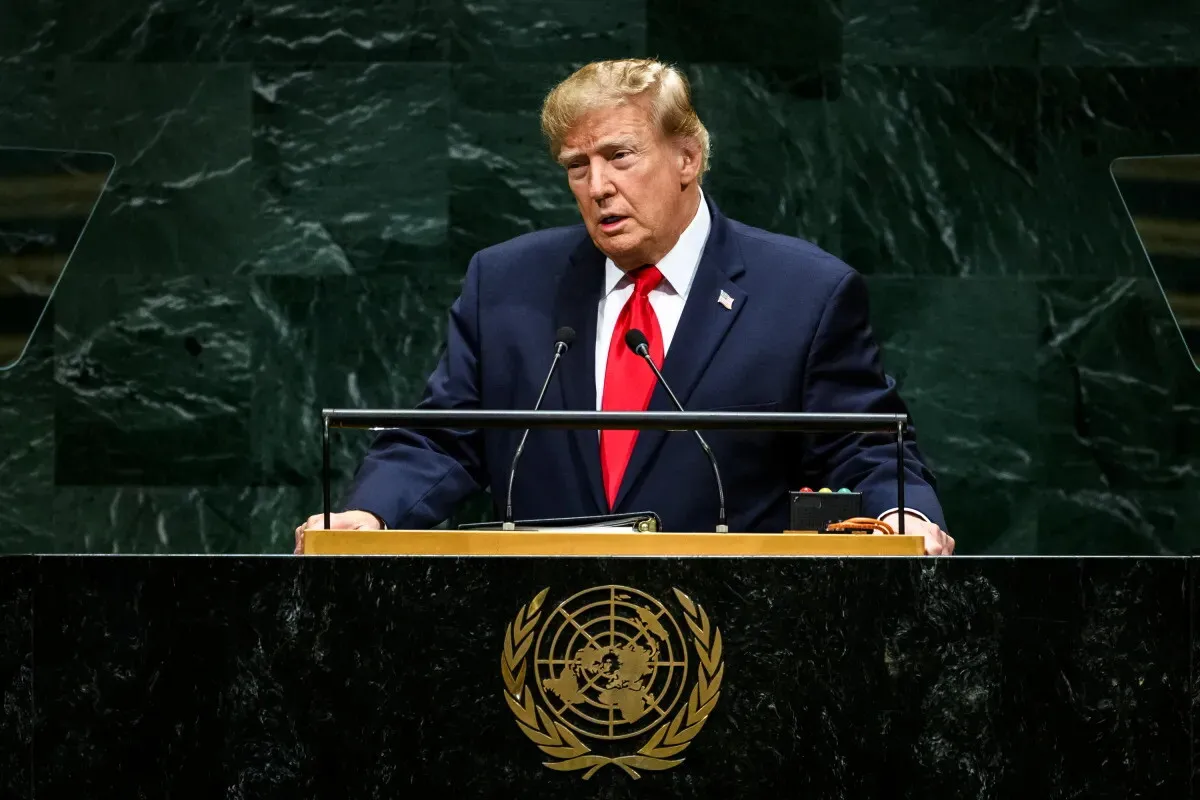
President Donald Trump has made it clear that he unequivocally supports Moroccan sovereignty over Western Sahara, labeling Morocco's autonomy proposal as the sole viable path to a just and lasting solution. This shift in messaging is crucial for understanding Israel's strategy as well; recognizing that while strategic acknowledgments can bolster an ally's position, a sustainable regional framework hinges on the subsequent actions taken to translate those diplomatic commitments into tangible institutions, security arrangements, and political incentives.
The Road Ahead: From Recognition to Resolution
While the U.S. reaffirmed its recognition of Moroccan sovereignty earlier this year, the real question has shifted from whether this recognition will occur to how it can be transformed into a stable political settlement. High-level discussions involving Washington, Rabat, and Jerusalem on September 16 underscored a significant advancement in their relationship, as the three parties agreed to upgrade diplomatic missions and appoint ambassadors. This trilateral meeting reinforced the U.S. and Israeli acknowledgment of Moroccan sovereignty, while also highlighting that alternatives to autonomy would only serve to exacerbate instability in the region.
However, as the discussions progressed, American officials began to stress that the existing status quo cannot persist indefinitely. This was evident in remarks made by Deputy Secretary of State Christopher Landau, who indicated that while the U.S. supports development under Moroccan sovereignty, the current situation is not sustainable. Further complicating matters, Trump's adviser on Arab affairs noted that while American recognition remains firm, an immediate solution is not imminent. The U.S. is currently awaiting feedback from the Polisario Front following three rounds of negotiations involving Morocco, Algeria, and Mauritania, emphasizing the need for a deeper understanding of the conflict's dynamics.
The U.S. approach is characterized by a crucial distinction: there is a difference between recognizing Morocco's sovereignty and claiming that the dispute has been resolved. Although the former is firmly established in American policy, the latter remains an aspiration yet to be realized. This understanding is vital as Washington navigates the complexities of balancing its strong preference for Morocco's autonomy with the broader diplomatic expectations set by the United Nations Security Council, which seeks a mutually acceptable political solution.
As the October 31 deadline for the UN Security Council mandate approaches, Washington faces a pivotal test of its diplomatic acumen. The administration must carefully assess how much political capital it is willing to invest, the extent to which it can engage regional actors without jeopardizing its interests, and what level of flexibility it anticipates from Morocco. Ultimately, the challenge lies in transforming recognition into a meaningful settlement that all parties can accept. If successful, this endeavor could serve as a blueprint for future conflict resolution. Conversely, failure to achieve a sustainable outcome will reveal the limitations of recognition alone.
As reported by meforum.org.