
The Shift Towards Affordable Educational Resources
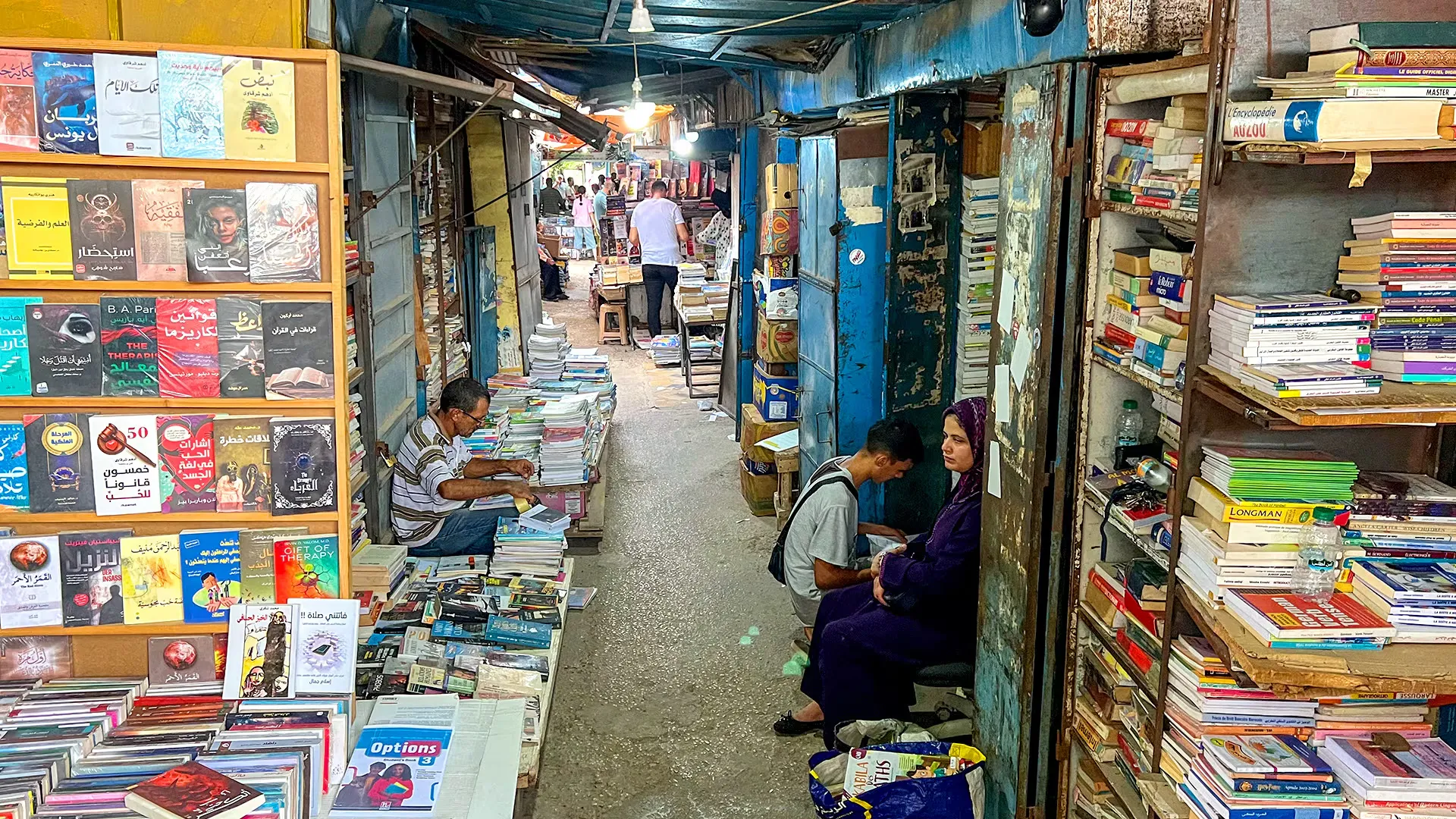
As the school year approaches, families are increasingly feeling the pressure to secure various school supplies and textbooks. Fatima, in a statement to Le360, highlights the significant rise in expenses that particularly burdens low-income households. This financial strain has led many to turn to the "Lido" market, a haven for finding educational materials at more affordable prices, making it a strategic choice for those seeking to balance their budgets amidst rising costs.
The activity within the Lido market is not limited to families searching for specific books; many parents are opting to purchase complete sets of used textbooks as a means to cut down on back-to-school expenses. The escalating cost of books and supplies has become an additional burden on family budgets, especially for those with multiple children. The Lido market, known for its historical significance in Fes, has become a prominent venue for book exchange over the decades, serving as a meeting point for students, researchers, and intellectuals, as well as a source for rare or hard-to-find textbooks that may not be available in regular bookstores.
Challenges Facing the Used Book Market
Mohamed, a bookseller at the market, asserts that the cultural importance of this establishment has transcended the boundaries of the city, as the vendors have forged relationships with customers from various Moroccan cities, establishing the market as a national hub for the trade of used books. However, this historical significance has not shielded the sector from the transformations it currently faces. Mohamed points out that booksellers are encountering numerous challenges, with the frequent changes in educational curricula being a primary concern. The annual updates in textbooks do not serve the interests of booksellers or families; instead, they pave the way for large corporations to market new editions at exorbitant prices. Some textbooks are priced as high as 250 dirhams each, a sum that many families find difficult to manage, particularly those with several children.
The situation is further complicated by the imposition of specific books and materials by certain private schools, which limits parents' choices and forces them to incur additional expenses. This is especially concerning for those who have turned to private education in hopes of securing better learning conditions for their children, all while operating within limited financial means. Booksellers reminisce about a time when school books were more stable, with textbooks remaining in circulation for many years, passed down from generation to generation. Today, the constant alterations in editions and curricula diminish the value of used books and leave large quantities of unsold inventory piling up in stores.
Additionally, the curricula from leading schools present another challenge for families and booksellers alike. Mohamed notes that some of these books are not adequately stocked in bookstores or with distributors, leaving families waiting for deliveries as the school year rapidly approaches. He believes that the limited availability of these books compared to the high demand exacerbates the difficulty of securing the necessary materials in a timely fashion. The problem does not end with the challenges of acquiring specific curricula; it extends to the fate of older books purchased that find no market after curriculum changes. Although professionals continue to buy and stock old books for customers, a significant portion remains stagnant due to shifting curricula, with limited opportunities for circulation, typically only in cases where they serve as supplementary material for study or review outside the prescribed curriculum.
The exceptional activity witnessed at the Lido market this past weekend reflects the ongoing demand for used books. However, statements from families and professionals reveal a clear paradox: while the market remains an economic refuge for families seeking lower prices, it simultaneously grapples with transformations that disrupt the trade of used books. This has resulted in an accumulation of outdated materials that have lost their commercial value following curriculum changes. This situation has reignited calls for a reevaluation of how educational materials are managed and stabilized, taking into consideration both the financial capabilities of families and the interests of professionals involved in the book trade.
As reported by ar.le360.ma.