
The Economic Landscape and Inflationary Pressures in Tunisia
Tunisia's economy is currently grappling with significant challenges, particularly the urgent need for increased financing amidst persistent inflationary pressures and a rising money supply. Recent crises in water and electricity supply during the summer have unveiled deeper imbalances linked to investment, infrastructure, and production—issues that cannot be addressed solely through monetary policy. The Central Bank of Tunisia maintained its key interest rate at 7% during its latest meeting, reflecting a relative decrease in inflation concurrent with ongoing risks that could drive prices higher. As of July, inflation stood at 5.1%, prompting monetary policy to remain cautious.
Investment Needs and Monetary Policy Dilemmas
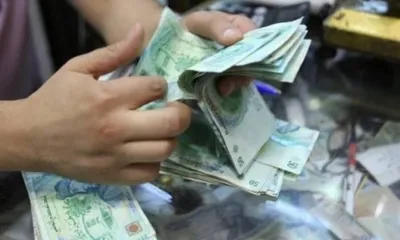
On the other hand, the economy requires greater financing to bolster investment and productivity. The rising cost of borrowing is hindering businesses from investing further and may limit investors' ability to initiate new projects, at a time when Tunisia desperately needs to enhance investment, improve productivity, and create job opportunities. However, the issue extends beyond just the interest rate. The currency in circulation reached approximately 30 billion dinars as of August 27, marking a nearly 16% increase from the previous year—a record high. This surge is partly attributed to changes in user behavior following stricter regulations concerning checks, alongside a continued heavy reliance on cash payments. The increase in circulating currency introduces a new layer of complexity for monetary policy.
Moreover, maintaining high interest rates for an extended period raises financing costs and increases pressure on businesses and households. Consequently, monetary policy appears to be tasked with balancing price stability while also creating financing conditions conducive to economic growth. These challenges emerge against the backdrop of a crisis in essential services. The summer's waves of water and electricity outages have triggered protests in various regions, driven by soaring electricity demand and mounting pressure on the grid during heat waves.
This crisis highlights the limitations of monetary policy. While lowering the interest rate may make financing more accessible, it does not compensate for years of underinvestment in electricity and water networks, nor does it enhance national energy production in the short term. Addressing these imbalances demands significant investments, long-term planning, and improvements in the performance of public institutions. The repercussions of the crisis are also evident in economic activity itself, with tourism and commercial enterprises suffering losses due to electricity and water disruptions, particularly in areas heavily reliant on tourism and services.
Therefore, addressing Tunisia's economic situation requires solutions that extend beyond mere interest rate adjustments. Monetary easing can serve as a tool to support financing when inflationary conditions allow, while maintaining the interest rate may be necessary when price risks persist. Nonetheless, neither option alone can resolve the interconnected challenges of energy, water, investment, and production. The capacity of economic policy to harmonize monetary policy with public investment and structural reforms will be crucial in transforming economic growth into a more stable activity and alleviating pressures that have begun to manifest not only in financial indicators but also in daily services and the ability of businesses to sustain their operations.
As reported by ar.lemaghreb.tn.