
Concerns Over Nutritional Standards for Infant Products in Morocco
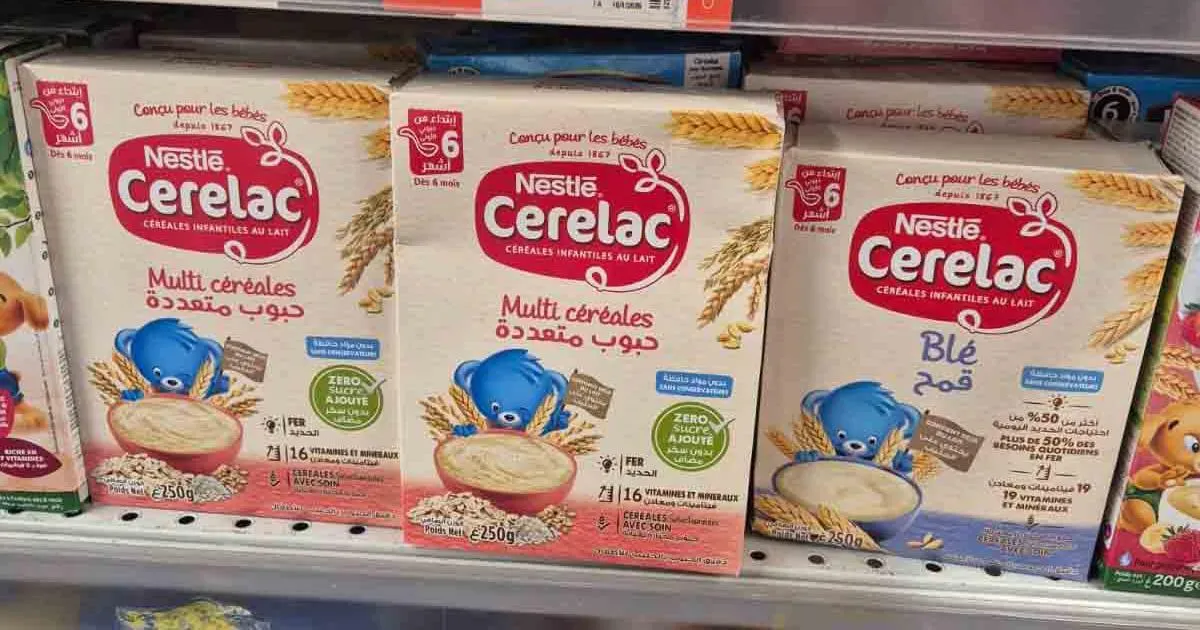
The Moroccan Consumer Protection Association has publicly criticized Nestlé for what it terms a "double standard" in its product offerings. The association claims that the Swiss multinational is selling its widely recognized Cerelac infant cereal in Morocco with excessive amounts of added sugar, while providing versions without such additives in various European markets. This discrepancy has raised serious concerns about the nutritional safety of products available to Moroccan families.
In a strongly worded statement released on Thursday, the association condemned Nestlé for applying inconsistent nutritional guidelines based on geographical markets. They labeled this practice as both unacceptable and detrimental to the health of Moroccan children. According to their findings, the Cerelac products available in Morocco are laden with high levels of added sugar, in stark contrast to the formulations sold in countries like France and Spain, which are produced without added sugars.
Call for Reformulation and Regulatory Action
The association has voiced serious concerns regarding the potential health risks posed to Moroccan infants due to these high sugar levels. They pointed out that excessive sugar consumption can lead to a host of health issues, including an increased risk of childhood obesity, tooth decay, and the early development of a preference for sweet flavors. In light of these findings, they are urging Nestlé to promptly reformulate its Cerelac products for the Moroccan market to remove added sugars, bringing them in line with the higher nutritional standards observed in Europe.
Additionally, they have called on Moroccan health and regulatory authorities to initiate an urgent investigation into the composition of infant food products sold in Morocco. The association emphasizes the need for stricter nutritional standards to ensure that Moroccan families and children receive the same quality and safety assurances as their European counterparts. This growing concern over food quality and transparency among Moroccan consumers reflects a broader trend, as parents are increasingly vigilant about the nutritional choices available for their infants, particularly during critical developmental stages.
While Nestlé has yet to provide an official response to these allegations, the company has historically asserted that all its products meet local regulations and are tailored to the specific nutritional needs and preferences of each market. Nonetheless, similar criticisms have emerged against major food corporations in other developing nations, where products frequently contain higher amounts of sugar, salt, or fat compared to their counterparts sold in wealthier countries.
The Moroccan Consumer Protection Association has pledged to closely monitor this situation and remains prepared to take further action, including filing formal complaints with relevant authorities should Nestlé fail to address these pressing concerns. Parents are advised to be diligent in reading product labels and consulting healthcare professionals regarding optimal nutritional choices for their infants.
As reported by middle-east-online.com.