
The recent amendments to the electoral framework governing the legislative elections of 2026 have led to a significant reduction in the restrictions surrounding conflicts of interest for mayors and local leaders in Morocco. These changes have allowed several leaders of major municipal councils and regional administrations to retain their elected responsibilities while also securing parliamentary positions following the latest electoral cycle.
Specifically, the regulatory law number 53.25 related to the election of members of the House of Representatives has reverted to a more lenient stance compared to the 2021 legislative elections. While those elections expanded the scope of conflicts of interest to include various leadership roles, this new amendment now limits such conflicts to only the presidency of a regional council, enabling leaders to hold multiple positions simultaneously.
For instance, the recent electoral reforms permit leaders to combine parliamentary seats with their roles in local councils and regional administrations, regardless of the population size of their respective municipalities. However, there is a stipulation that prevents any individual from holding more than one presidency among these bodies, promoting a degree of accountability and governance.
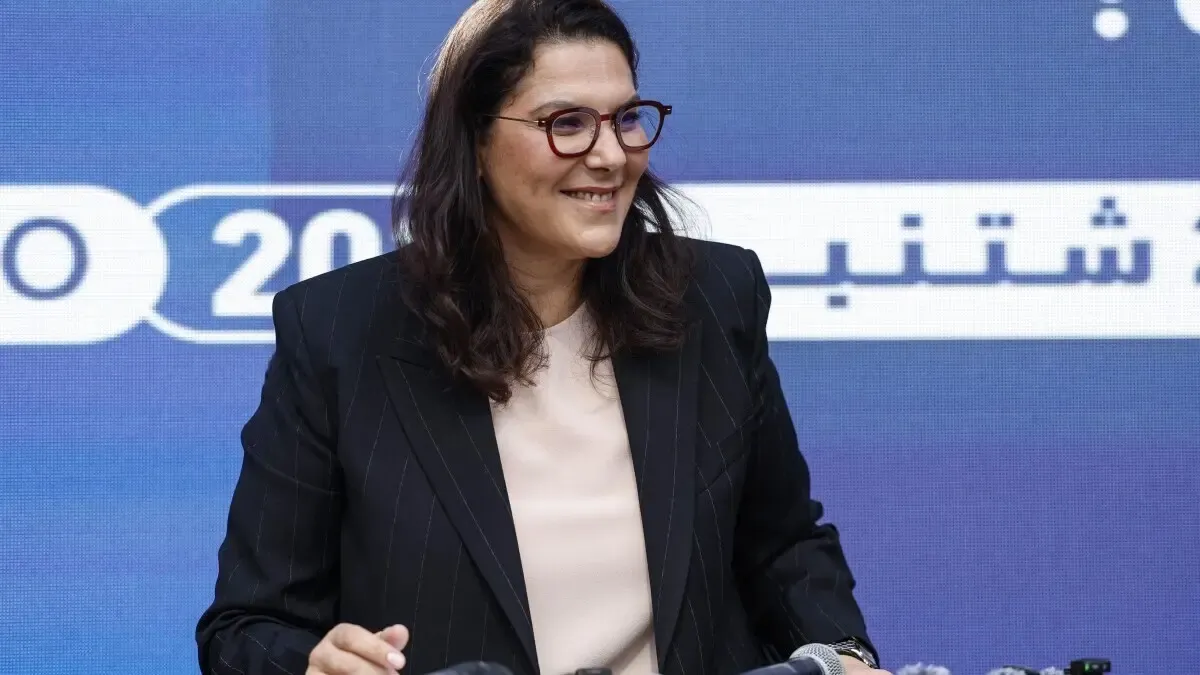
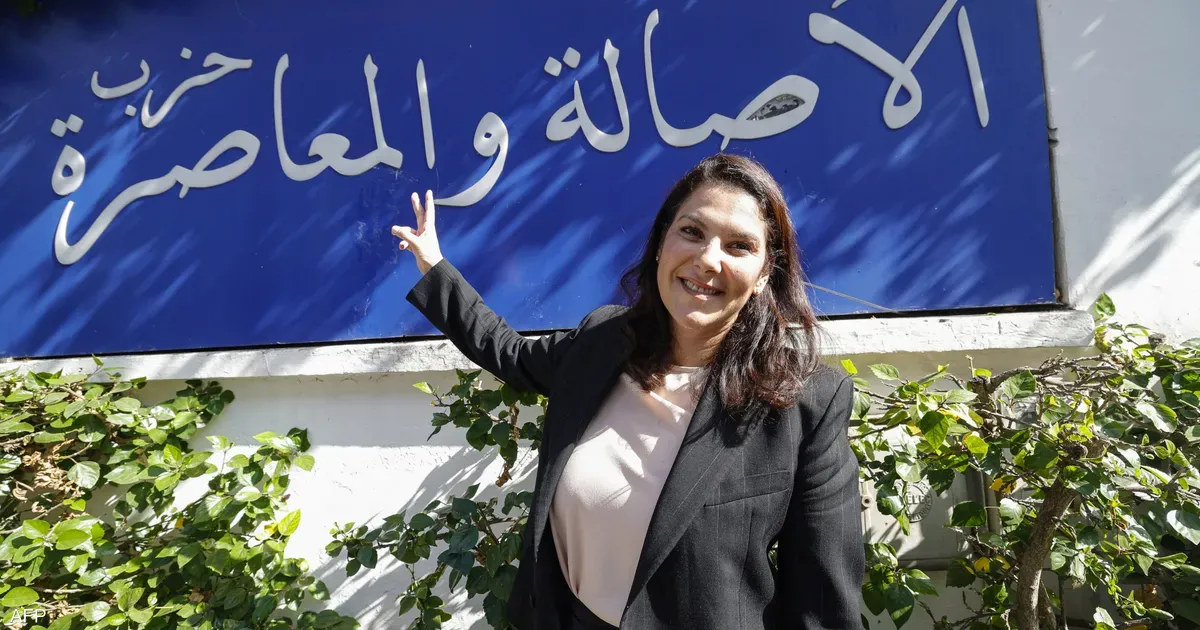
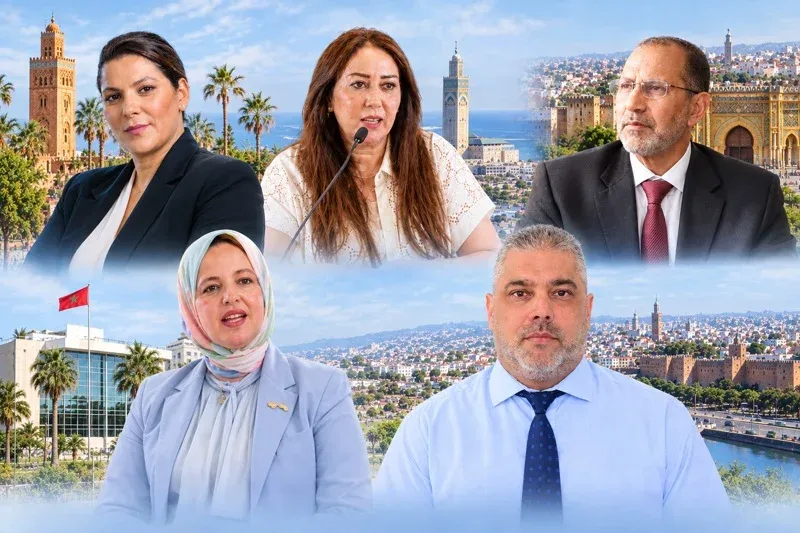
Among the notable beneficiaries of this legislative shift is Fatima Zahra Mansouri, a leading figure in the Authenticity and Modernity Party, who has successfully secured a parliamentary seat for the Marrakech city district. Mansouri will be able to maintain her position as mayor of Marrakech, a city with a population exceeding one million, unless she assumes a government role within the party's cabinet.
Another significant case is that of Nabila Rmili, who has won a parliamentary seat representing the Casablanca-Settat region for the National Rally of Independents. Rmili, who currently serves as the president of the Casablanca municipal council, will also retain her leadership position while navigating the complexities of holding multiple offices.
Additionally, the law’s amendments have enabled leaders like Abbas Al-Womghari, the president of the Meknes municipal council from the Constitutional Union party, to win a parliamentary seat without the risk of losing their current electoral responsibilities. The Meknes council has a population of over 551,000, highlighting the importance of these changes in the context of Moroccan governance.
The amendments have similarly benefited leaders in regional councils, such as Ibtihaj Al-Zahidi, the president of the Al-Skhirat-Tamara council, and Othmane Baddel, the president of the Berrechid regional council, allowing them to maintain their elected roles while also participating in the legislative assembly.
This legislative alteration not only reflects a strategic maneuvering within Moroccan politics but also raises questions about the balance of power and the implications of holding multiple influential positions within the government. The potential for conflicts of interest remains a concern, and the effectiveness of these leaders in managing their dual responsibilities will be closely monitored as the political landscape continues to evolve.
As reported by hespress.com.