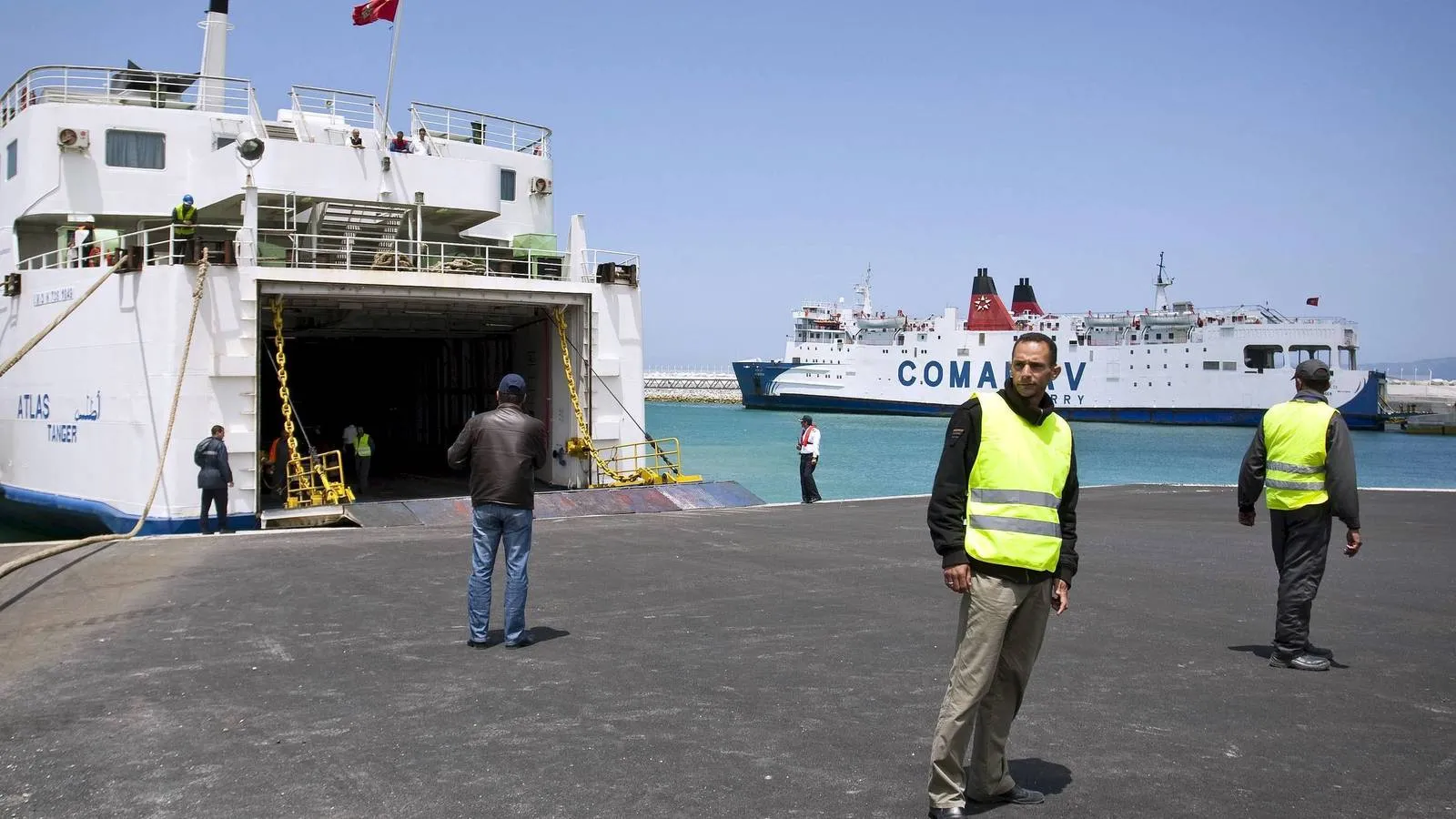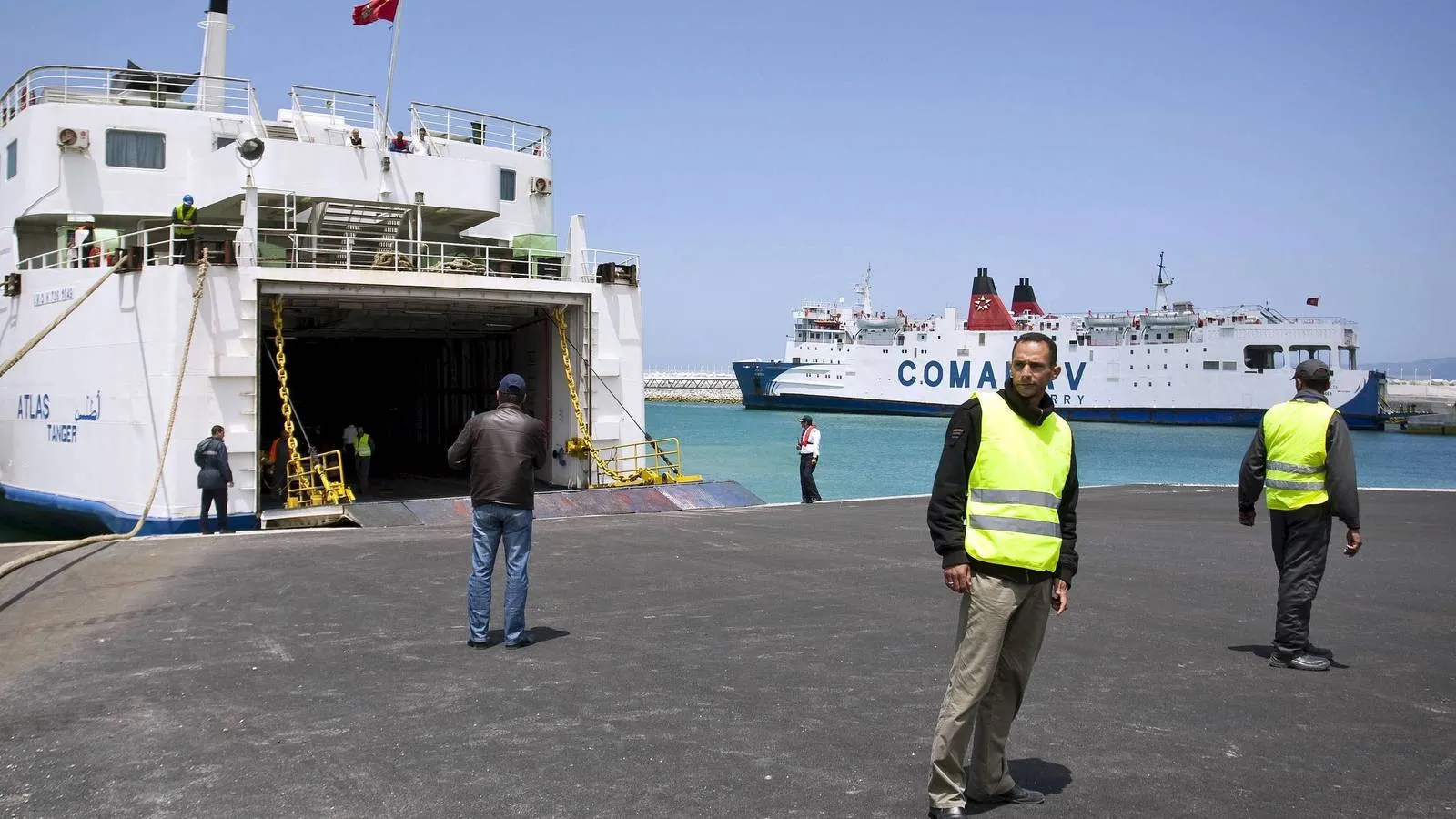

The Moroccan authorities have tightened the scrutiny of documentation required for Spanish citizens entering Morocco through various border crossings. As reported by the Spanish newspaper "La Razon" on October 6, 2026, travelers may now be required to present a return ticket and hotel reservation, in addition to answering questions regarding the purpose of their visit and the duration of their stay. This shift towards stricter controls follows a period where the verification of these documents was more lenient, indicating a significant policy change regarding border management.
The new measures include requests for specific travel arrangements from certain Spanish citizens, as outlined in the report. Travelers may need to provide the following documentation:
- Return Ticket: To prove the expected departure date.
- Hotel Reservation: To clarify accommodation arrangements during their visit.
- Purpose of Travel and Duration of Stay: Through questions posed by border officials.
However, the report does not specify which crossings are affected or when these checks will commence, nor does it clarify if the same procedures will apply to all travelers. Furthermore, it does not provide a clear rationale behind the tightening of controls, hence lacking evidence to link it to any particular political decision.
Do Spaniards Need a Visa to Enter Morocco?
The Spanish embassy in Rabat clarifies in its frequently asked questions section that Spanish passport holders are exempt from requiring a visa for stays of less than 90 days. It is essential to distinguish between the visa exemption and the verification of travel details at the border; the exemption does not eliminate the necessity of carrying a passport or answering questions regarding the visit.
Essential Travel Preparations for Smooth Entry
In light of the tightened scrutiny for Spanish travelers entering Morocco, it is advised that travelers prepare by ensuring they have a valid passport, a clear copy of their return ticket, and a hotel reservation. Additionally, knowing the address of their accommodation and the dates of their travel will facilitate the border crossing process. These recommendations are practical measures to avoid confusion at the border and do not indicate a new set of mandatory conditions for all travelers. For visits involving family or friends, it is advisable to inquire in advance with the Moroccan consulate regarding appropriate proof of such arrangements, rather than assuming a hotel booking is necessary.
For more information on travel procedures to Morocco, the Moroccan National Tourism Office provides resources in Arabic that help clarify requirements based on the traveler's nationality and travel documents.
Lastly, while the report focuses on Spanish citizens, it does not clarify the procedure for individuals holding dual Moroccan and Spanish citizenship, leaving open questions about how these regulations apply to them. To understand more about this topic, interested readers can refer to our article on Spanish-Moroccan Dual Citizenship: Legal Recognition and Practical Application.
Traveling from Morocco to Spain involves a different set of procedures, which we have explained in our guide on How to Apply for a Schengen Visa from Morocco.
As reported by espanaenarabe.com.