
Recent Legal Changes in Moroccan Elections
The recent modifications to the legal framework governing the legislative elections of 2026 have significantly altered the landscape for local governance in Morocco. Specifically, these amendments have relaxed the restrictions on dual roles for local leaders, enabling them to maintain their positions while also serving in the Parliament. This change follows a previous expansion of restrictions that was introduced in 2021, which had limited the ability of elected officials to hold multiple leadership roles simultaneously, particularly in larger communities. Under the new provisions, heads of various local councils, including those in major cities and regions, can now hold both their parliamentary seats and their local governmental responsibilities, provided they do not lead more than one council.
Beneficiaries of the Changes
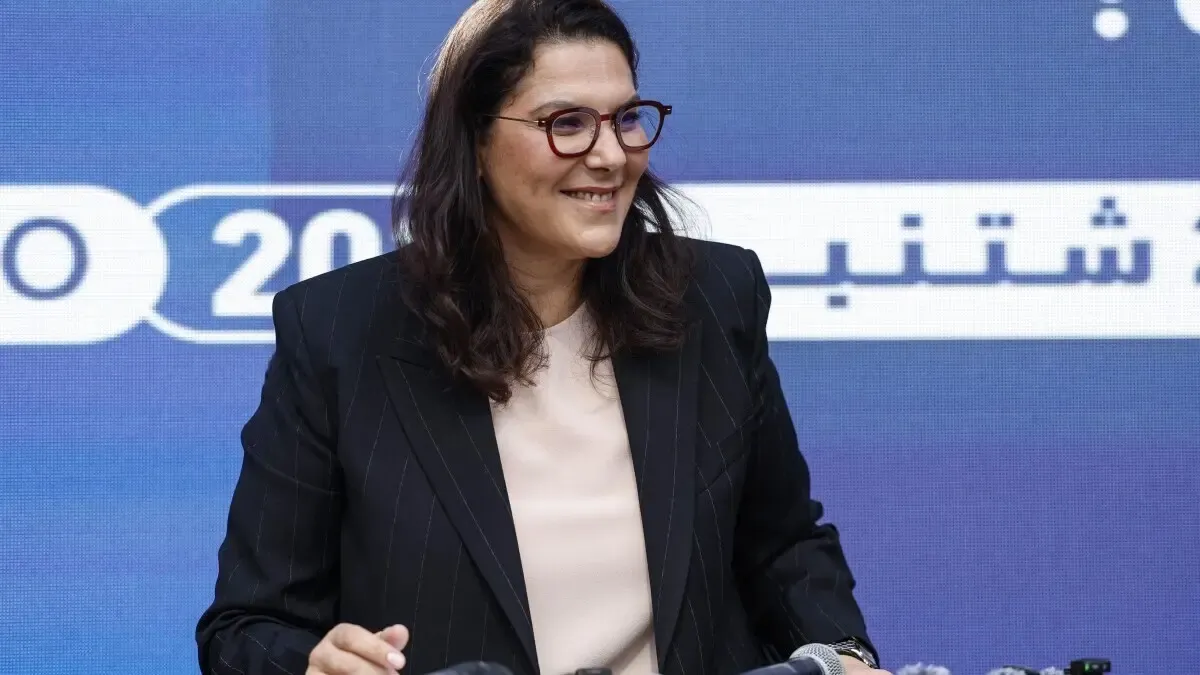
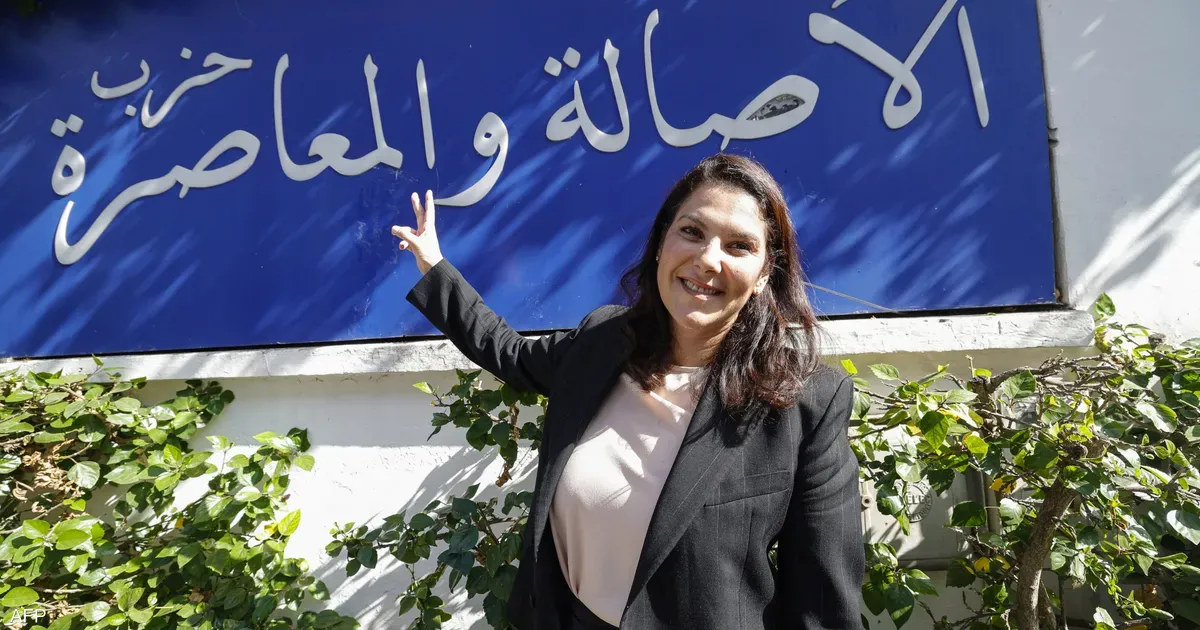
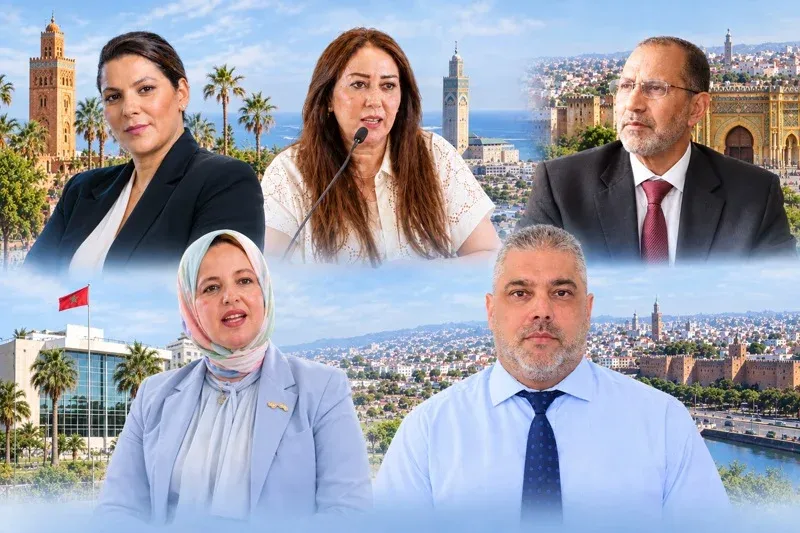
Among the notable beneficiaries of these legal amendments is Fatima Zahra Mansouri, a key figure in the Authenticity and Modernity Party, who recently secured a parliamentary seat in the Marrakech city district. This win allows her to retain her mayoral position in Marrakech, a city with a population exceeding one million residents, while also serving in Parliament, assuming she does not take on a governmental role in the upcoming cabinet. Another significant example is Nabila Rmili, from the National Rally of Independents, who has also been elected to the Parliament while continuing to lead the Casablanca city council, which boasts a population of over three million. This dual capability reflects a strategic shift in Moroccan politics that may enhance local governance by allowing experienced leaders to operate at both local and national levels.
Furthermore, the modifications have also enabled Abbas Alamghari, the mayor of Meknes, to maintain his council presidency while assuming a parliamentary role without jeopardizing his current responsibilities. The legal adjustments extend similarly to other regional leaders, such as Ibtissam Zahidi, who now combines her role as head of the provincial council of Skhirat-Temara with her new parliamentary seat. The implications of these changes signify a notable evolution in Moroccan electoral law, aiming to enhance the efficiency of governance by allowing local leaders to leverage their political experience across different levels of government.
As reported by hespress.com.