
Understanding the New Tax Obligations for Moroccan Property Owners
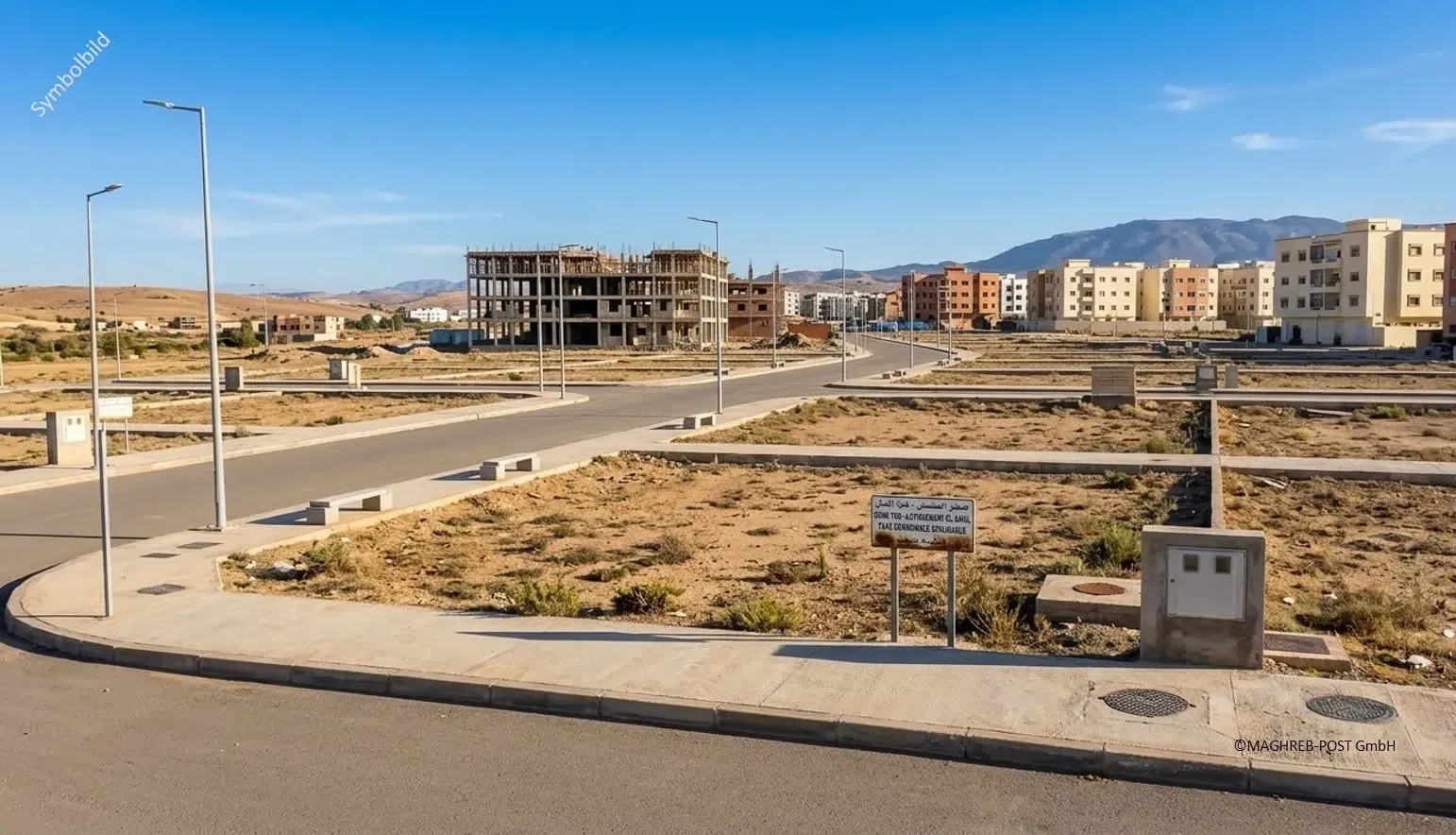
In a significant shift in tax policy, Morocco is set to implement a systematic approach to the taxation of unbuilt urban land, known as the Taxe sur les terrains non bâtis (TNB). This change is underscored by a recent circular issued by the Ministry of Interior to regional governors and local authorities, indicating that property owners, including many Moroccan expatriates who have not received tax notices for years, should be prepared for imminent demands from municipal administrations.
The legal framework for this initiative is rooted in Law No. 14-25. According to the daily newspaper L’Economiste, the application of this tax has historically varied widely among municipalities; while some incorporated the revenue into their budgets, others failed to capitalize on this potential income. The Ministry of Interior is now advocating for a uniform application of the tax across the nation. The primary goal is to enhance municipal revenues while ensuring a fair tax burden that correlates with the development status of the properties. Special commissions will be established to assess whether the necessary technical conditions for construction, such as access to water and electricity, are met.
Implications for Moroccans Residing Abroad
For the Moroccan diaspora, particularly those residing in Germany, Austria, and Switzerland, the implications are clear: tax liability is solely based on the location of the property within Morocco, with no exceptions made for owners who maintain permanent residency abroad. Failure to comply with tax obligations will result in the same legal repercussions faced by domestic residents, including late fees, fines, and, in severe cases, the initiation of collection procedures. The Ministry has clarified that while applications for penalty relief are possible, they are subject to strict regulations – regional governors will decide on cases involving amounts exceeding 50,000 Dirhams.
Property owners often face the challenge of receiving physical tax notices at their Moroccan addresses, which may reach them abroad only after significant delays. To mitigate the risk of non-compliance, digital tools are becoming increasingly important. The Trésorerie Générale du Royaume (TGR) offers an online portal where local taxes can be queried and paid. Experts recommend that property owners keep their tax identification number (Identifiant Fiscal) handy and regularly check the status of their property values. As municipalities are now directed to issue retroactive claims and classify infrastructure more accurately, it is advisable for expatriates to proactively clarify their tax situation to avoid unpleasant surprises upon their next visit to Morocco or during any planned property sales.
As reported by maghreb-post.de.