
Transforming West African Gas Exports to Europe
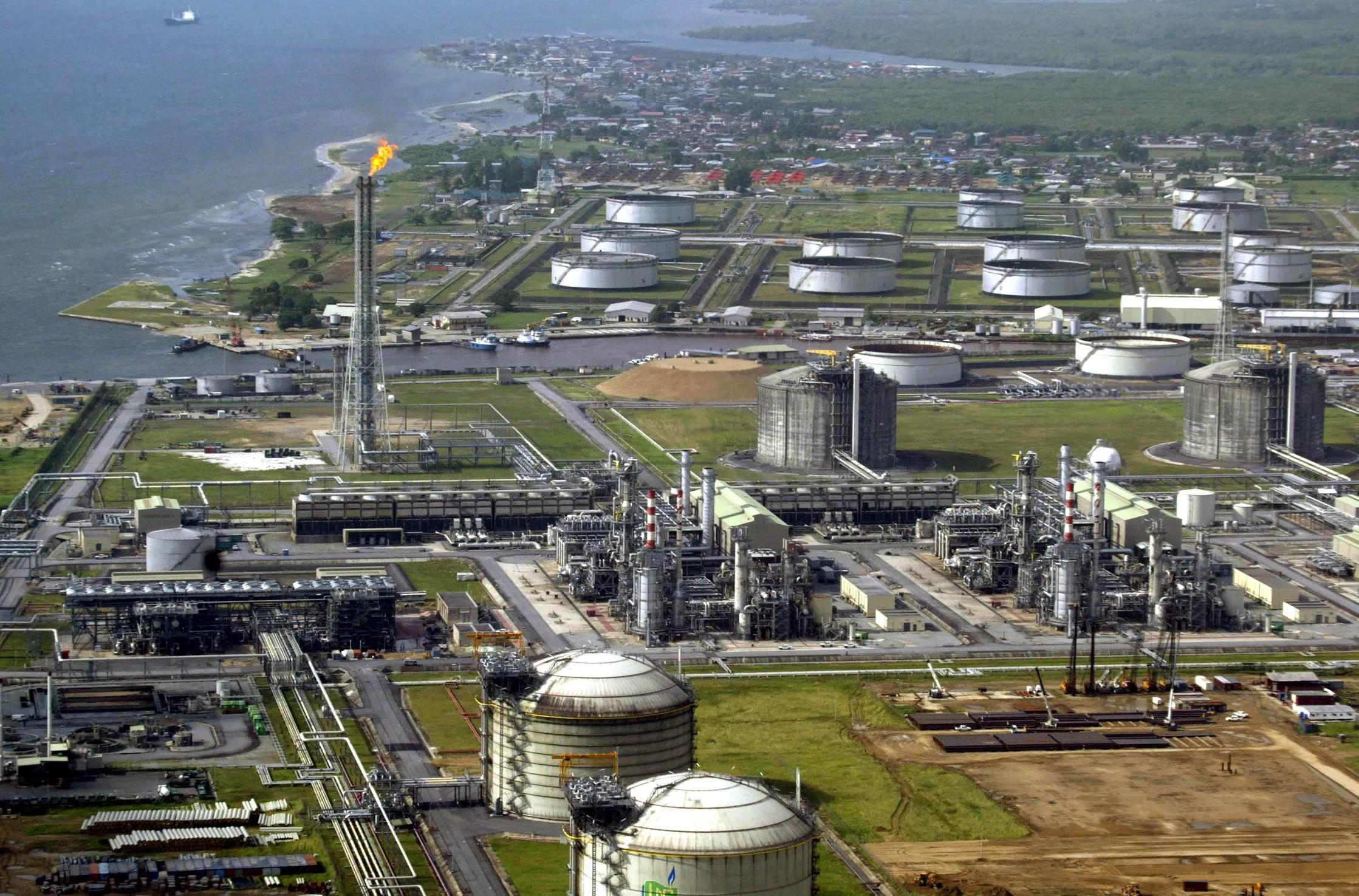
The ambitious Nigeria-Morocco Atlantic Gas Pipeline project aims to revolutionize the export routes for West African gas to Europe while also providing essential options for domestic markets. The Moroccan National Office of Hydrocarbons and Mines (ONHYM) recently embarked on a mission to Washington D.C., seeking to secure financing for what is poised to be one of the most significant energy infrastructure initiatives ever undertaken in Africa. This monumental project, which will be executed in collaboration with Nigeria's National Petroleum Corporation (NNPC), is designed to stretch across 13 countries along the West African coastline, featuring both onshore and offshore sections. The goal is to facilitate the export of gas produced in various West African nations to Spain and the broader European market.
The pipeline, spanning an impressive 6,900 kilometers and often referred to as the 'Atlantic African Gas Pipeline', is not solely dedicated to serving transcontinental export needs. Notably, 15 billion cubic meters of its enormous 30 billion cubic meter capacity is earmarked for domestic consumption, thereby enhancing electricity accessibility and stimulating industrial growth within the region.
Challenges and Opportunities Ahead
Launching this extensive project will undoubtedly serve as a litmus test for Nigeria, Morocco, and the surrounding regions. The estimated cost of $25 billion, combined with a projected construction timeline exceeding 20 years, presents significant challenges. Historically, Nigeria has recognized the importance of pipeline infrastructure in bolstering its gas exports to Europe. In 2022, the country signed an agreement with Algeria and Niger to advance the Trans-Saharan Pipeline. However, due to security concerns and diplomatic tensions, the feasibility of that venture remains questionable, and a clear schedule for construction has yet to be established.
Conversely, Agwu Ojowu, lead advisor at the consulting firm Africa Practice, argues that an alternative pipeline route along the Atlantic coast poses a “less risky, more viable option.” This route not only allows several West African countries to tap into additional revenue from gas exports but can also be developed incrementally, enabling gas flow through initial phases long before the entire system is operational.
Phase one of the project, which will connect gas fields off the coasts of Senegal and Mauritania to the existing Maghreb-Europe pipeline in Morocco, is expected to be operational by 2031. The complete pipeline is tentatively scheduled for completion by 2046; however, adhering to this timeline will necessitate overcoming numerous planning and financial obstacles.
A pressing concern associated with the pipeline is the actual demand for its gas in Europe, the primary market for half of the gas transported. In recent years, European governments have shown a keen interest in sourcing gas from Africa as an alternative to Russian supplies. Yet, from an energy security standpoint, this does not necessarily guarantee support for pipeline projects. Importing gas via pipelines could potentially tie Europe to specific suppliers, while LNG imports offer greater flexibility in switching suppliers.
Moreover, European gas demand is on a decline as the continent shifts focus towards renewable energy sources. Research conducted by the Institute for Energy Economics and Financial Analysis indicates that European gas imports may decrease by an additional 25% by 2030. Although some European officials have expressed interest in the Atlantic Gas Pipeline, neither the European Commission nor individual national governments have made definitive commitments towards financing the project.
Ojowu also highlights the complexities posed by the EU's methane regulations, which will impose strict controls on methane emissions starting in 2030. Given that Nigeria's current gas production practices are highly methane-intensive, the country could face substantial penalties under the EU's framework. However, he suggests that a potential “win-win” scenario could arise if European financing for the pipeline is leveraged to encourage African producers to adopt measures that reduce methane emissions during gas extraction and transportation.
With the prospect of European financing appearing uncertain, Moroccan officials are actively seeking alternative funding sources. The OPEC Fund for International Development and the Islamic Development Bank have already contributed to financing engineering and design studies, and the UAE has shown public backing for the initiative. Additionally, ONHYM is intensifying its efforts to engage with U.S. institutions, including the U.S. Development Finance Corporation, to explore financial support.
During the second Trump administration, the U.S. played a proactive role in financing oil and gas developments in Africa, exemplified by the U.S. Export-Import Bank's approval of a $4.7 billion loan for TotalEnergies’ Mozambique LNG project. However, it remains unclear whether the U.S. is genuinely committed to financing a project that would directly compete with American gas supplies in the European market.
As reported by african.business.