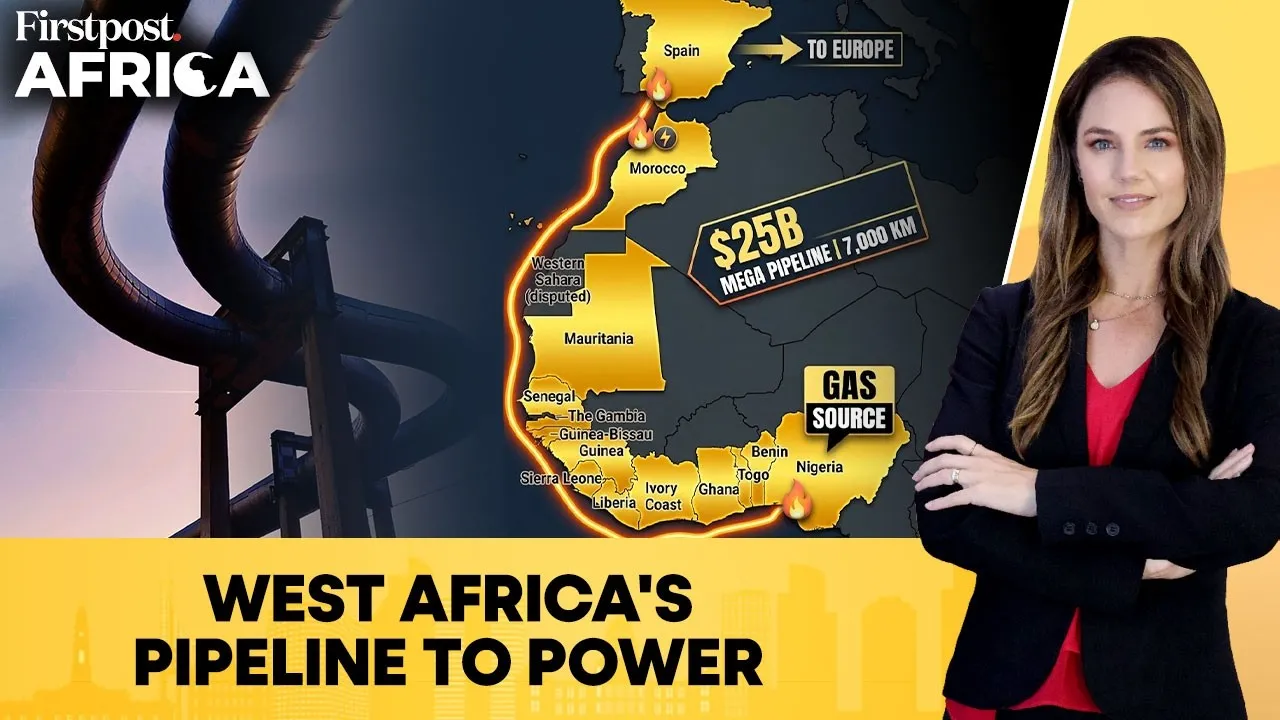

Nigeria-Morocco Gas Pipeline: A Game Changer for Africa's Energy Landscape
Africa is on the verge of realizing one of its most ambitious energy initiatives with the Nigeria-Morocco Atlantic Gas Pipeline project. Valued at $25 billion, this monumental venture aims to establish a nearly 7,000-kilometer energy corridor that seamlessly connects West Africa to Europe. The pipeline is not merely a conduit for gas; it symbolizes Africa's aspirations to redefine its role in the global energy market, particularly by linking Nigeria's vast natural gas reserves to the increasing European demand for alternative energy supplies.
The potential benefits of the Nigeria-Morocco Gas Pipeline are extensive. Proponents of the project argue that it stands to catalyze significant industrial growth in the region, enhance electricity access across West Africa, and diminish the continent's reliance on raw material exports. By facilitating a stable supply of gas, the pipeline could effectively transform the economic landscape, creating new jobs and fostering sustainable development. However, the project is not without its hurdles, facing challenges that include securing adequate financing, addressing security threats in transit countries, and ensuring cooperation among the various nations involved.
If successfully completed, the Nigeria-Morocco Gas Pipeline has the potential to be much more than a simple energy project; it could become a pivotal element in reshaping Africa’s economic and geopolitical future, positioning the continent as a critical player in the global energy sector. The implications of this project extend beyond mere energy supply, as it may redefine trade relationships and foster closer economic ties between African nations and Europe.
As reported by youtube.com.