Nigeria-Morocco Gas Pipeline Project: Diplomatic and Financial Advancements
The ambitious Nigeria-Morocco gas pipeline project is making significant strides, marked by recent diplomatic and financial engagements. Member states of the Economic Community of West African States (ECOWAS) have officially signed an intergovernmental agreement in support of this vital energy infrastructure. Concurrently, Morocco has initiated discussions with the Export-Import Bank of the United States (Exim Bank) and the World Bank, aiming to secure the necessary funding for the project. Spanning nearly 6,900 kilometers, this pipeline is set to connect Nigeria to Morocco, traversing thirteen countries across West Africa.
Morocco is actively pursuing funding opportunities for the Atlantic gas pipeline project that will link Nigeria and Morocco. Reports indicate that Rabat has begun discussions with Exim Bank, which is the U.S. government agency tasked with promoting U.S. exports. The World Bank is also among the institutions being approached for financial support. Youssef Amrani, Morocco's ambassador to the United States, has confirmed these discussions without disclosing the specific amount of funding sought or the terms of participation being considered. A spokesperson from Exim Bank acknowledged that preliminary discussions are indeed underway, while the World Bank has opted not to comment on the matter. Moroccan authorities assert that the current international climate enhances the appeal of this infrastructure project.
Strategic Importance and Future Prospects
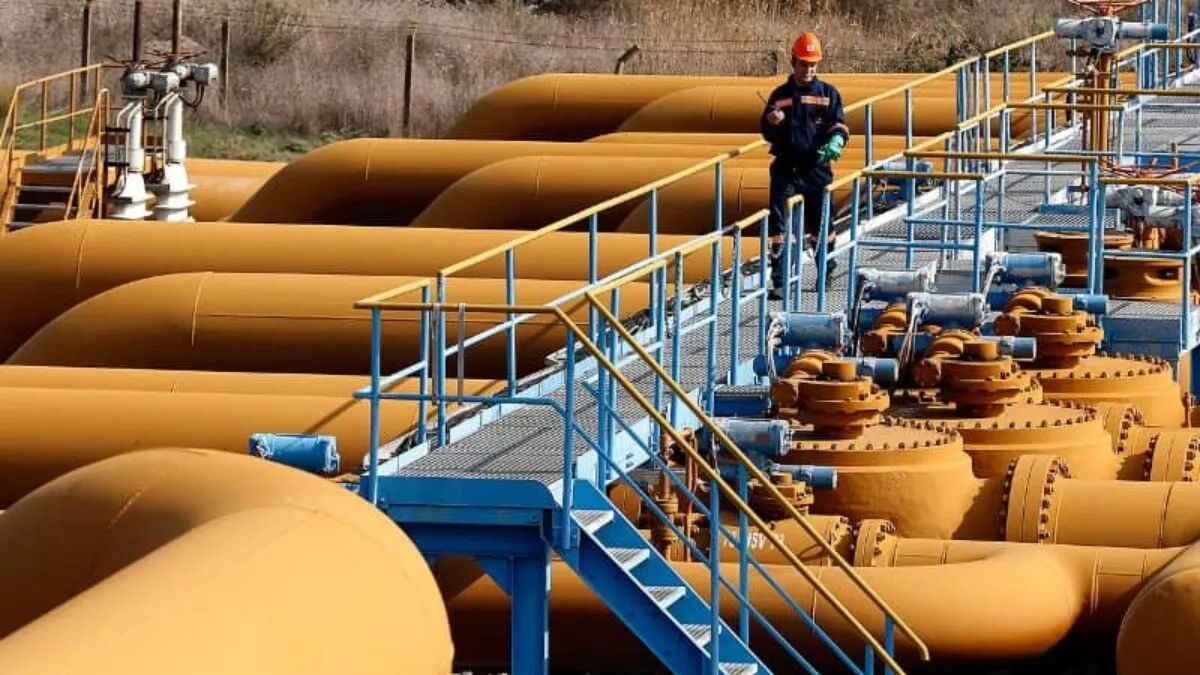
The ongoing tensions impacting certain energy routes in the Middle East are seen as an additional impetus for establishing a new supply chain that will connect West Africa's gas resources to the European market. The planned pipeline is expected to cover approximately 6,800 to 6,900 kilometers along the Atlantic coast of the continent. Its route will cross thirteen West African nations before arriving in Morocco, where it will connect with the existing Maghreb-Europe gas pipeline, which is already linked to the Spanish gas network.
Recently, the project achieved a significant institutional milestone with the signing of an intergovernmental agreement in Freetown, Sierra Leone, by the member states of ECOWAS. This announcement was jointly made by Morocco's National Office of Hydrocarbons and Mines (ONHYM) and Nigeria's National Petroleum Corporation (NNPC). The two organizations stated that this agreement follows the completion of feasibility studies and detailed technical design work (FEED), which are crucial preparatory phases before construction can commence.
The project backers anticipate an annual transportation capacity of up to 30 billion cubic meters of natural gas, which will supply the countries along the pipeline route as well as the Moroccan market. Reports suggest that approximately 15 billion cubic meters could also be allocated to the European market through the connection with the Maghreb-Europe gas pipeline, facilitating the delivery of a portion of Nigerian gas to the European network. The overall cost of the project is currently estimated at around $25 billion, encompassing the construction of both land and underwater infrastructure as well as the necessary operational equipment. The promoters emphasize that construction work cannot begin until funding is secured, with the current timeline projecting a start date in 2028 and the first gas deliveries anticipated in 2031, contingent upon the finalization of financial and regulatory agreements.
Following the signing of the intergovernmental agreement by ECOWAS states, another critical step is expected to occur with the establishment of a specific agreement between Morocco and Mauritania. According to the promoters, this signing is anticipated to take place in the presence of the Nigerian president. Mauritania's geographical position along the pipeline route and its gas resources render its involvement essential to the project's success and the realization of this regional infrastructure.
The Nigeria-Morocco gas pipeline was initiated nearly a decade ago under the leadership of King Mohammed VI and Nigerian authorities. Since its inception, numerous technical, environmental, and economic studies have been conducted to assess its feasibility. Recognized as one of the most significant energy projects on the African continent, it aims to enhance regional energy integration, facilitate access to natural gas in several West African countries, and create an energy corridor that connects Nigerian gas resources to North African and European markets.
As reported by afrik.com.