
Nigeria's Oil Production and Market Reactions
Nigeria's oil production has seen a slight uptick, reaching 1.463 million barrels per day (mbpd) in March, according to the Organisation of Petroleum Exporting Countries (OPEC). Despite assurances from the Nigerian National Petroleum Company Limited (NNPCL) regarding an additional 100,000 barrels per day and a maximum potential production of 1.8 million bpd from the Nigerian Upstream Petroleum Regulatory Commission (NUPRC), actual output remains below expectations. This production shortfall has significant implications, especially as global oil prices soar above $100 per barrel, driven by recent U.S. actions aimed at restricting Iranian oil exports through the strategically vital Strait of Hormuz.
The oil market reacted sharply to these geopolitical developments, with Brent crude prices rising by 7.1%, trading at $101.64 per barrel, while West Texas Intermediate (WTI) for May delivery increased by 7.3% to reach $103.66 per barrel. This spike in prices is compounded by the estimated $3.3 billion in lost revenue for Nigeria due to its inability to meet production targets amidst escalating oil prices.
The Nigeria-Morocco Gas Pipeline Project and Future Prospects
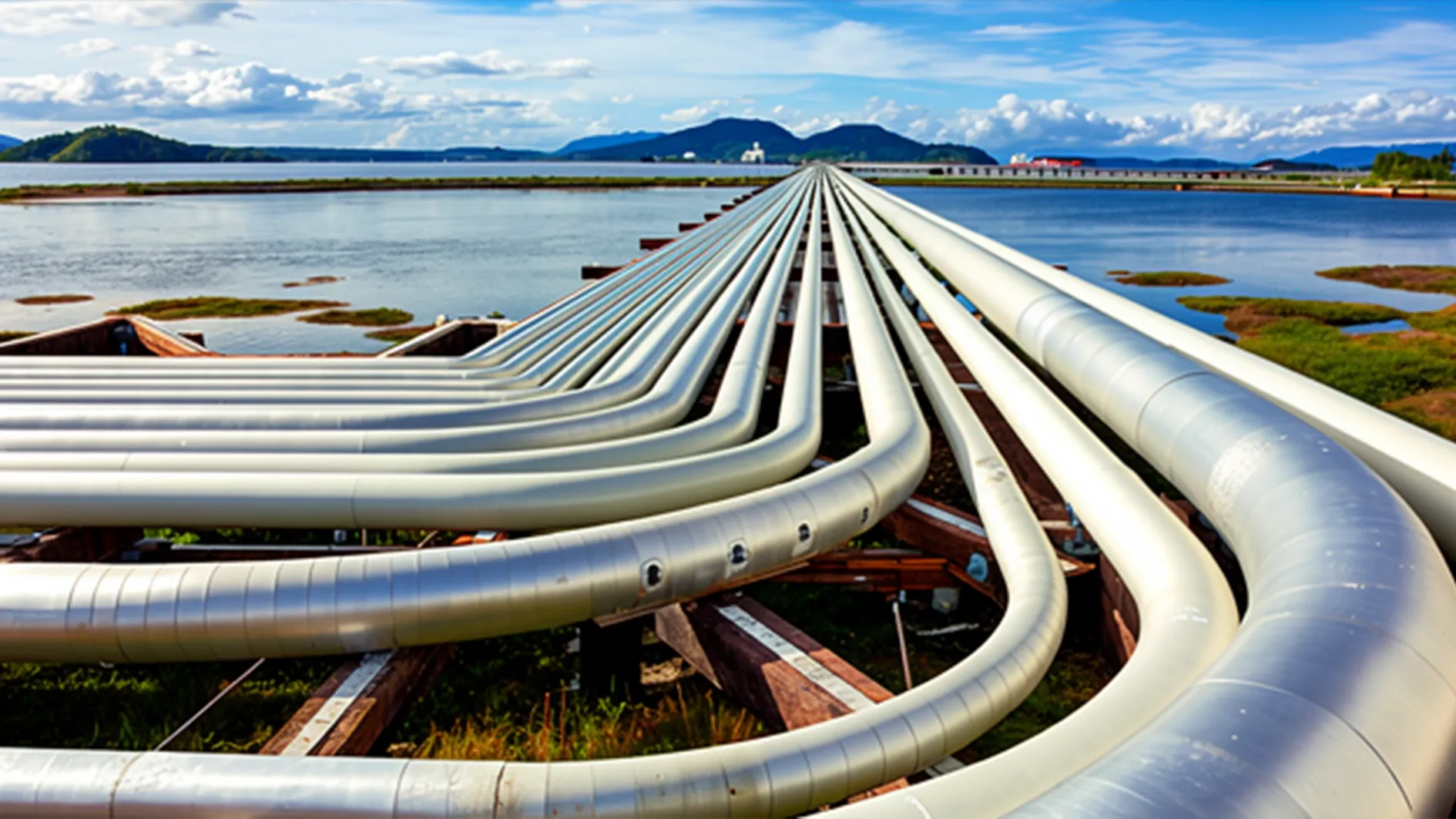
Adding to the complexity of Nigeria's oil landscape is the anticipated progress on the $25 billion Nigeria-Morocco Gas Pipeline project, which aims to enhance energy security and regional integration. Morocco’s hydrocarbons agency recently announced that an intergovernmental agreement for this critical initiative would be signed within the year, marking a significant step forward for a project that has been in the making for over a decade. The 6,900-kilometer pipeline, designed to transport up to 30 billion cubic meters of gas annually, is expected to connect Nigeria’s vast gas reserves to Moroccan markets and subsequently to Europe. If successful, this project could establish Morocco as a pivotal energy bridge between Africa and Europe, bolstering regional economic cooperation.
However, as OPEC adjusts its global oil demand forecast for the second quarter downward by 500,000 barrels per day due to the ongoing conflicts in the Middle East, Nigeria faces a dual challenge. While the country stands to gain from rising crude prices, leading to potential increases in export revenues, it must also navigate the rising costs of refined petroleum products that accompany higher crude prices. This scenario may lead to increased pump prices domestically, particularly in a deregulated market where local prices are closely aligned with international rates. Despite these challenges, OPEC maintains its prediction of a 1.38 mbpd growth in global oil demand for the year, indicating a complex but potentially profitable landscape for Nigeria’s oil sector.
As reported by guardian.ng.