
Baraka's Vision for Economic Empowerment
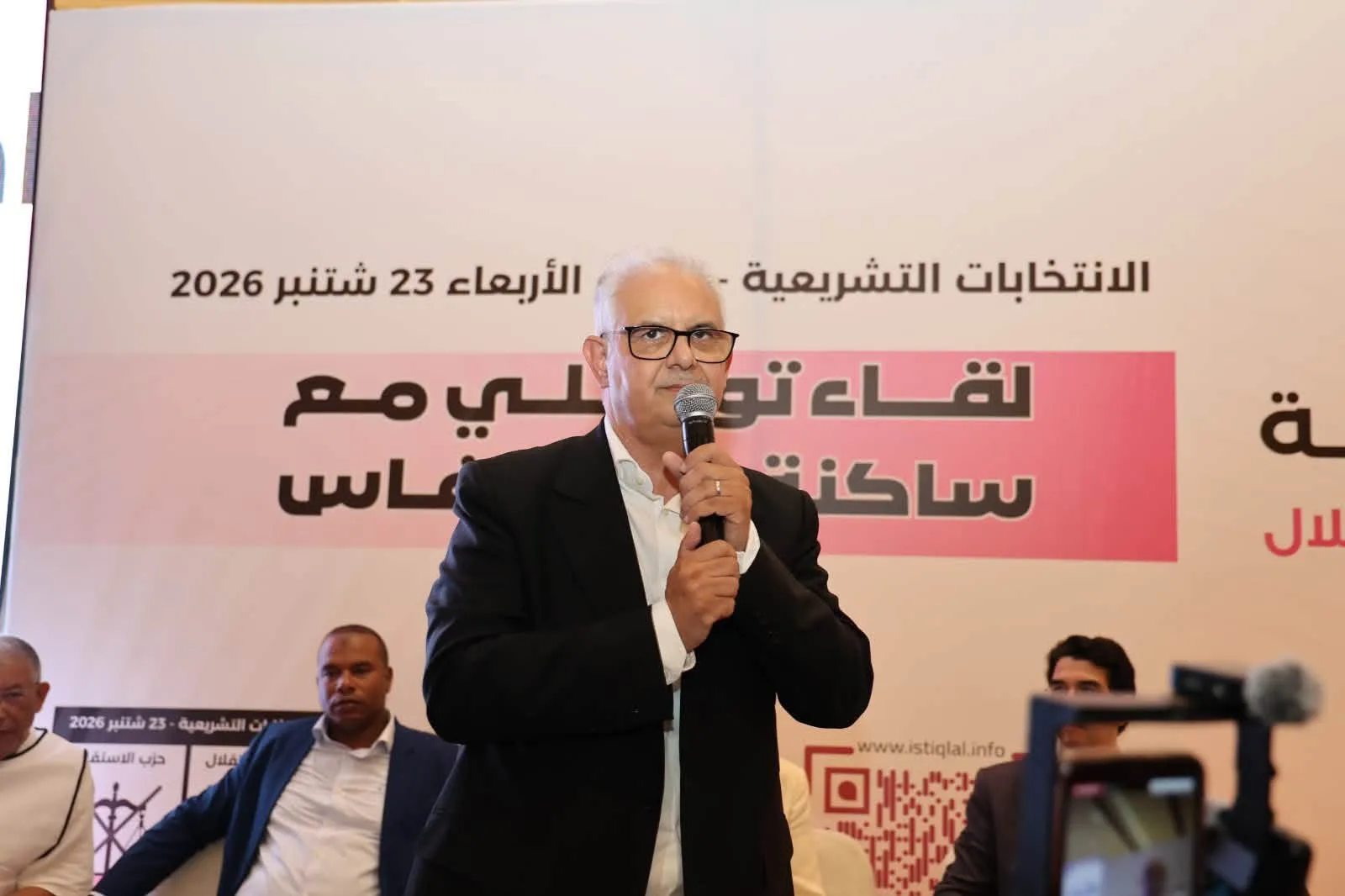
Nizar Baraka, the Secretary-General of the Istiqlal Party, emphasized that mere financial support is insufficient to enhance living conditions for families in Morocco. He articulated a comprehensive approach that focuses on empowering every household by educating its women and youth, enabling them to market their products through digital platforms. This strategy aims to facilitate a definitive escape from the cycle of poverty within five years, a goal he believes is entirely achievable. During a speech delivered at a party rally in Fes on September 14, Baraka aligned this approach with the core principles of economic and social equity, as well as equal opportunities for all.
Addressing Social Challenges and Economic Conditions
In the realm of social welfare, Baraka called for a critical review of the criteria used to determine eligibility for direct social assistance. He argued for a system that ensures family stability, preventing support from being withdrawn due to superficial reasons, and highlighted the importance of not penalizing parents when one of their children enters the job market. This, he believes, is essential for preserving family cohesion and encouraging youth employment. He also tackled the pressing issue of purchasing power, pointing out that rising food prices have burdened Moroccan families, despite the successes achieved by the party while in government. He noted that the gap between the selling price for farmers and the purchasing price for consumers often benefits intermediaries, which exacerbates the problem.
To counter this, Baraka proposed the establishment of distribution companies that would procure products directly from farmers, making them accessible to consumers at reasonable prices while regulating exports to prioritize national market needs and curb inflation. With respect to Fes, he asserted that restoring its economic appeal requires rebuilding investor confidence, creating job opportunities, and taking full advantage of infrastructure projects that can reposition the city as a hub connecting the north and south, as well as the east and west of Morocco. He regarded Fes's hosting of World Cup matches as an additional opportunity to accelerate these initiatives.
Baraka also dedicated part of his address to the Moroccan family and its value system, expressing concern over the declining rates of marriage, the decreasing birth rates, and the rising divorce rates. In this context, he proposed a regional program to support families, which includes enhancing mediation services in courts, involving notaries in awareness campaigns, and educating couples about their rights and responsibilities. Furthermore, he suggested providing financial assistance to young individuals under thirty who are preparing to marry.
He reiterated that the protection of families and children, maintaining intergenerational connections, and instilling values of solidarity, respect, responsibility, and innovation will remain foundational elements of the Istiqlal Party’s mission. In his closing remarks, Baraka paid tribute to the steadfastness and loyalty of the party members in Fes, recalling the rich national heritage embodied by the city, from the late leader Allal El Fassi to the generations of leaders who fought for national liberation.
He asserted that this heritage is not merely an electoral asset to exploit but a responsibility towards the citizens of Fes, necessitating a balance between honoring the past and engaging in the construction of the future. He called for a new mission to free the populace from poverty, vulnerability, and challenges related to housing, education, and health. Concluding, Baraka encouraged Fes to add to its historical legacy in agriculture, science, traditional crafts, and tourism by embracing new advancements in artificial intelligence and digitalization. This would empower the youth of the city and surrounding regions to establish their projects and secure their future without having to leave their home regions.
Baraka declared that the party's vision hinges on a straightforward equation: to serve the nation and elevate its status, ensuring justice and dignity for every citizen through guaranteed decent living conditions, quality education, and adequate healthcare services.
As reported by kifache.com.