Significant Changes in Political Discourse
The recent statements made by Algerian President Abdelmadjid Tebboune regarding the Moroccan Sahara issue have sparked considerable interest and speculation within political and media circles. Observers have noted a striking transformation in his tone and choice of language, marking a departure from the more aggressive rhetoric typically associated with previous addresses on this contentious topic. This shift appears to reflect an effort to recalibrate Algeria's political discourse in response to the rapidly changing regional and international landscape.
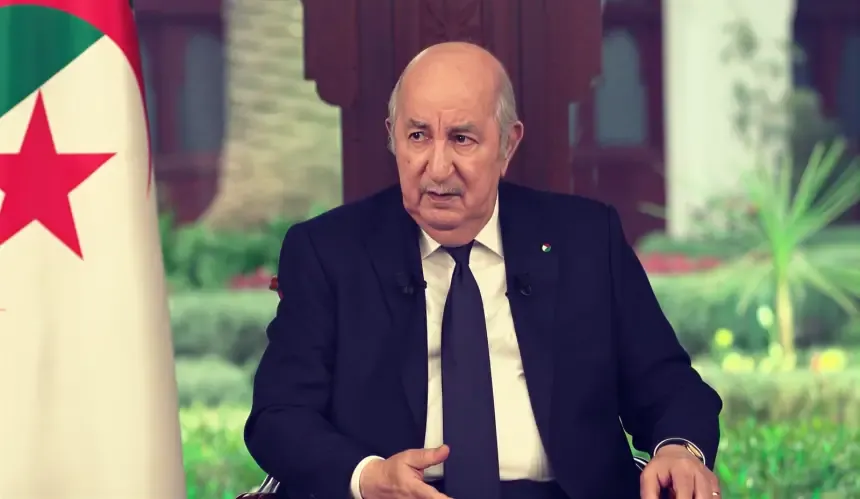
In a recent interview with local media, President Tebboune adopted a notably calmer approach, emphasizing that the United Nations' resolution process is progressing smoothly and without significant obstacles. This language suggests a deliberate repositioning rather than a fundamental reassessment of Algeria's stance. Analysts interpret this as an attempt to project a more diplomatic image, coinciding with an acknowledgment of U.S. awareness regarding Algeria's proposals on the matter.
Implications of U.S. Involvement and Regional Dynamics
The implications of this rhetorical shift are profound, particularly in light of the United States' reaffirmed support for Morocco's sovereignty over the Sahara. The U.S. has emphasized the importance of the autonomy initiative as a credible framework for resolving the dispute. Diplomatic reports indicate that this evolving international stance necessitates a recalibration of political narratives among all parties involved. Observers note that the absence of escalatory language directed at Morocco in Tebboune's recent statements represents a significant deviation from the previously entrenched Algerian narrative, suggesting a more calculated and cautious approach to managing this sensitive issue.
Furthermore, Tebboune's mention of U.S. familiarity with Algerian proposals serves a dual purpose: it not only highlights Algeria's ongoing engagement in international discussions but also aims to reassure domestic audiences of the effectiveness of Algerian diplomacy in managing one of the region's most intricate conflicts. However, this approach faces challenges, as shifting global priorities increasingly favor pragmatic solutions over traditional ideological stances.
In conclusion, the evolving political landscape indicates that the discourse surrounding the Moroccan Sahara is not merely about a change in rhetoric but rather a strategic recalibration in response to a more stringent international political environment. As the situation continues to unfold, the delicate balance of power will likely influence how political messages are crafted and communicated in the future.
As reported by akhbarona.com.