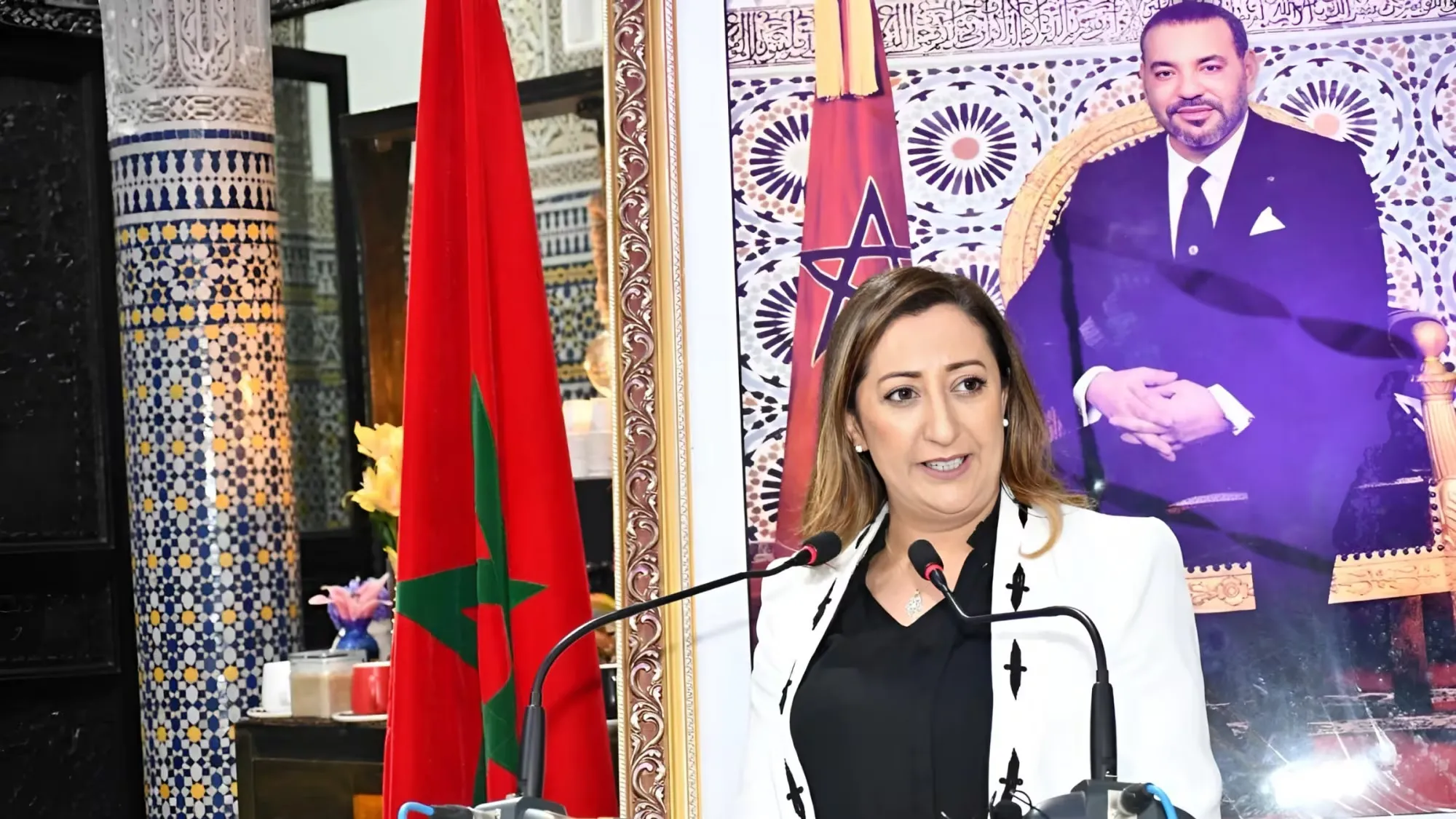

Fatiha El Moudni, the newly elected president of the Rabat City Council, has recently made headlines with her shift to the PAM party after being elected under a coalition banner that included the RNI and Istiqlal parties. This transition comes at a crucial time as the October session of the City Council is poised to address significant budgetary concerns while grappling with the political upheavals stemming from her party affiliation change. As reported by fr.le360.ma.
The October session is particularly significant as it will be dedicated to reviewing the budget plan for the commune of Rabat, a document that outlines financial priorities and resource allocation for the upcoming period. However, the financial discussions cannot be divorced from the political dynamics that have shifted within the Council following El Moudni's return to the PAM ranks. The implications of her party switch are profound, leading to speculation about the future stability of the ruling coalition in Rabat. Some members of the RNI have even hinted at possibly withdrawing their support for the mayor in light of this new political alignment.
Legally, a change in party affiliation does not automatically sever alliances or lead to a change in leadership. However, it does introduce a new political landscape that may influence the stances of council members and the dynamics of future sessions. Previous reports have highlighted that El Moudni's shift has sparked discussions about the future of the established political balance, which was initially founded on the previous electoral map. In this context, the October session serves as a critical test of the Council's ability to transcend its political differences and focus on the pressing issues affecting the city’s residents.
The budget proposal transcends mere numerical data and financial provisions; it fundamentally determines the municipality's capacity to finance its services, programs, and projects. It also establishes a hierarchy of priorities in a city where residents' expectations continue to grow, encompassing cleanliness, lighting, infrastructure, public spaces, and various communal services. Therefore, the October session is not simply an administrative meeting on the council's agenda. It represents the first major test of the new balances within the City Council, particularly following the shifts in party allegiance that have reignited discussions about the composition of the majority and the limits of consensus among its members.