Widespread Indignation Sparks Demand for Investigation
The circulation of a video recorded by an Emirati citizen, allegedly advocating for child marriage in Morocco, has ignited a wave of outrage throughout the nation and reignited the contentious debate surrounding the abolition of this practice. This issue pits human rights advocates against the more conservative factions within Moroccan society, highlighting the deep-seated cultural and legal challenges that persist in the country.
The video, which circulated extensively on social media platforms, has led to public denunciations, calls for an official investigation, and renewed criticisms of the legal exceptions that permit underage marriages in Morocco despite the established legal minimum marriage age of 18. The 2004 reform of the Moudawana, Morocco's Family Code, officially set the minimum legal age for marriage at 18. However, it also allows judges to grant exceptions, leading to significant concerns raised by human rights organizations that these exceptions have effectively opened the door to child marriage.
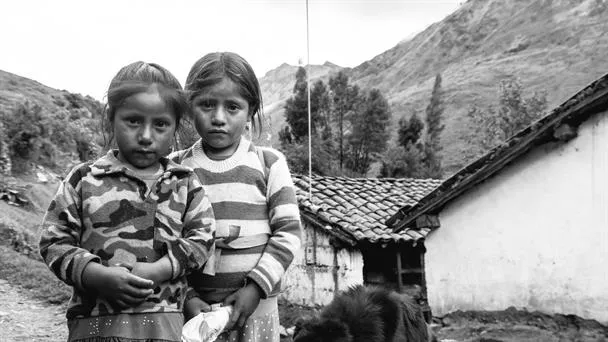
Moreover, numerous families invoke the Fatiha—the recitation of the first chapter of the Quran—to legitimize these unions. According to the latest report from the General Council of the Judiciary, Moroccan courts authorized over 10,000 underage marriages in 2024 alone, primarily in impoverished rural areas. This alarming statistic underscores the continued prevalence of child marriage, despite existing laws intended to prevent it.
The controversial video featured an Emirati making remarks about 14-year-old girls in Morocco, interpreted as a promotion of child marriage and the exploitation of minors. One of the first organizations to respond to this issue was the Moroccan group “Hands Off My Child,” which urgently called for a thorough investigation by the Public Prosecutor’s Office. The Coalition Dounia against Child Marriage, established in 2019, also strongly condemned the video, estimating that approximately 30,000 child marriages occur annually in Morocco.
This week, the creator of the video was apprehended in the Emirates and sentenced to three years in prison for an offense that, according to Moroccan media, is penalized more severely as it directly undermines the fraternal relations between the two countries. The term Dounia, meaning 'world' in Arabic, has been adopted by victims to collectively voice their experiences of child marriage, with many Dounias now starting to speak out in Morocco. One such victim shared her harrowing story of marrying at 13 to a wealthy 38-year-old man, recalling how her family insisted she would live a good life with him. She stated, "I was forced to wear the niqab because he was religious. I wanted to continue playing with my friends and enjoying life like any other girl." While the courts rejected formalizing the marriage, it was conducted through the Fatiha.
In her poignant testimony, she described her first intimate experience as a violation, stating, "He held my hands and told me to endure, repeating that he was my husband. He constantly used religious arguments. I cannot express what I felt then, but I broke down in tears." Today, this Dounia has regained control of her life, returning to school and earning a diploma in hairdressing.
Another victim, Khadija, also dreams of a new beginning. She married at 17, envisioning a life akin to those portrayed in Turkish dramas, only to find her reality confined to agricultural labor and household chores. "I often reflect on my wasted life and the education I could have pursued, clinging to hope that I can rebuild my life and train for a profession," she lamented.
With just four months remaining until Morocco's upcoming elections, discussions surrounding the pending reform of the Family Code seem stalled, much to the dismay of feminist groups advocating for an end to child marriage in the near term. The proposed reforms continue to face resistance from conservative and Islamist sectors, which argue that certain changes contradict traditional interpretations of Islamic law. A family judge involved with the NGO Rights and Justice poignantly remarked, "As long as legal exceptions exist, the risk of exploiting girls will persist. In my entire career as a judge, I have never witnessed a successful marriage involving a minor."
As reported by udgtv.com.