
Government Efforts to Manage Migrant Influx
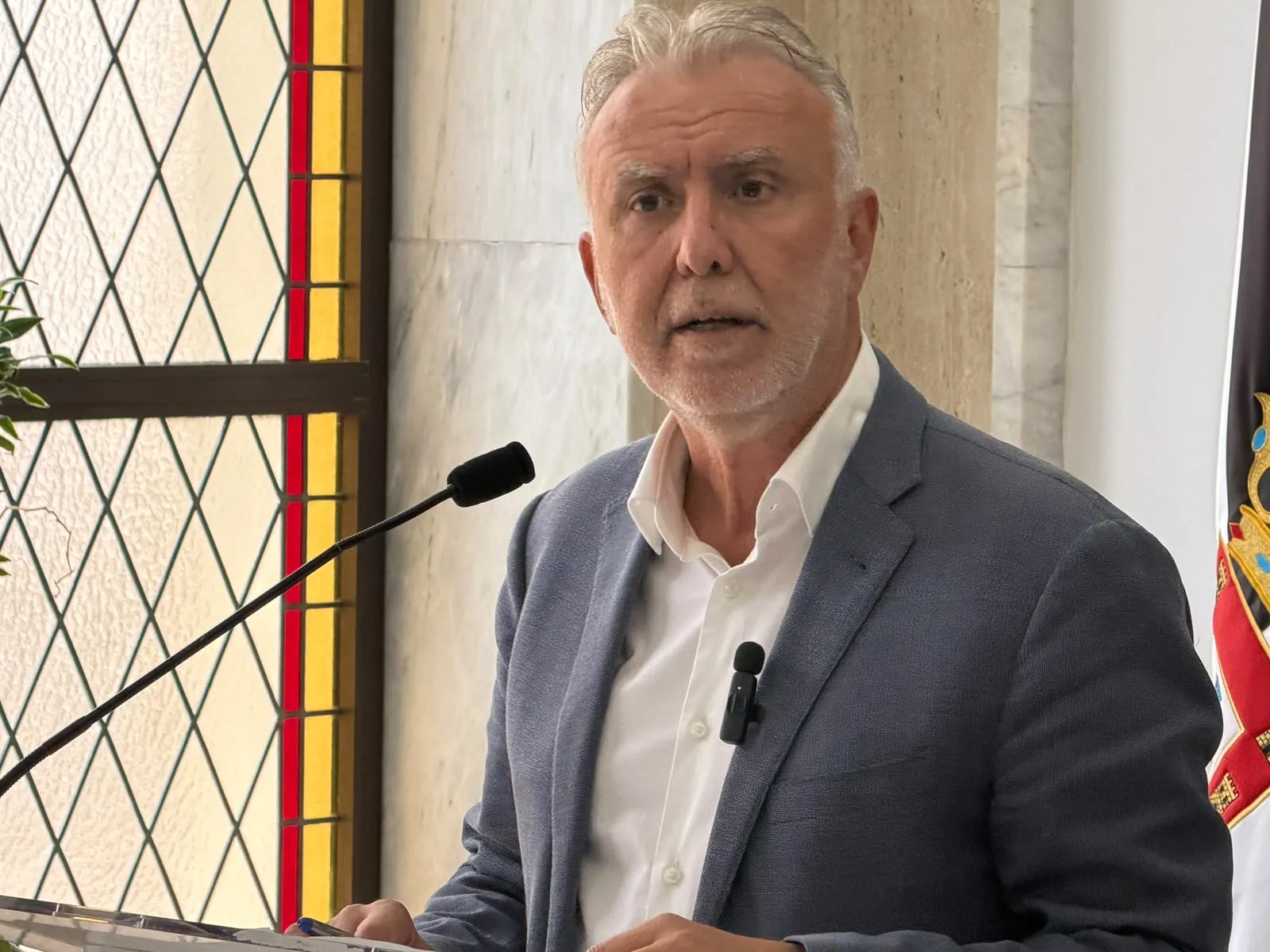
The Spanish government has revealed that more than 5,300 Moroccan migrants have voluntarily returned to Morocco in recent weeks, with around a hundred individuals withdrawing their applications for international protection in Spain. This development follows the significant influx of migrants that occurred in Ceuta on July 30 and 31. Ángel Victor Torres, the Minister of Territorial Policy, provided these statistics in a statement released on Sunday, detailing an operation that took place early in the morning to relocate 864 people who were sleeping on the streets of the city to a newly established enclosed area.
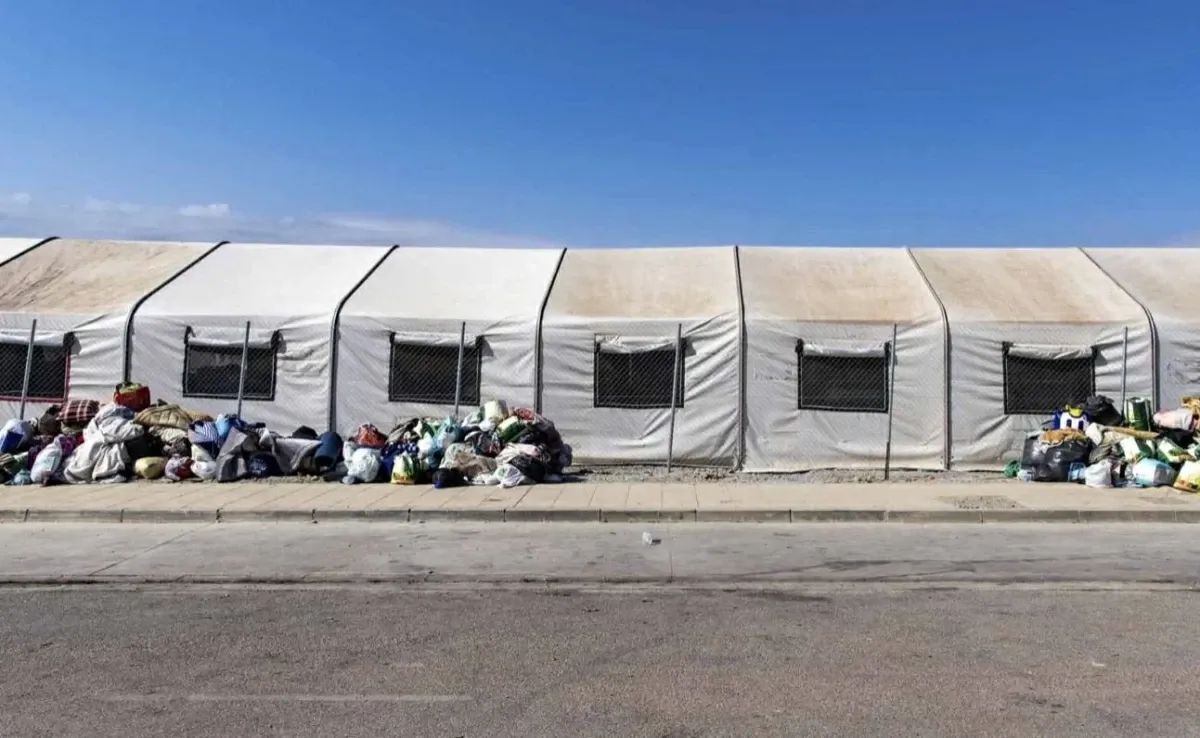
The operation specifically targeted individuals who had settled in the Loma Colmenar area, moving them to a temporary facility set up by the state. Minister Torres described this initiative as a success, emphasizing that one of the government's primary goals is to restore normalcy in Ceuta as quickly as possible. He underscored the necessity of creating spaces that prevent migrants from remaining on the streets while facilitating the triage and documentation processes necessary to assess each individual's situation.
Torres highlighted that the government has made available 4,500 spaces during these weeks, and over 5,300 people have opted to return to Morocco voluntarily. This figure is complemented by nearly a hundred individuals who have chosen to withdraw their asylum applications in Spain. The minister connected the establishment of new facilities with the potential to expedite processes for those who do not qualify for international protection. "All individuals who do not have the right to international protection should be returned to Morocco," he stated, as reported by Efe.
Challenges and Controversies Surrounding the Situation
The Minister of Territorial Policy reiterated that returns to Morocco necessitate the prior identification of individuals and adherence to established legal procedures. He explained that transferring migrants to designated facilities would facilitate the acceleration of these processes and the corresponding returns. Meanwhile, the Ceuta government estimates that approximately 13,000 individuals, including both adults and minors, continue to remain in the city nearly a month and a half after the mass entry that occurred on July 30 and 31.
The ongoing situation has raised questions and concerns among local residents regarding the management of migrant camps and the noise disturbances caused by individuals living in these areas. Some citizens have expressed frustration over the perceived lack of order and the responsibility of local authorities in maintaining public peace. The community response to the migrant crisis has been mixed, with some advocating for the distribution of unaccompanied minors across various autonomous communities, while others argue that this could send a dangerous message encouraging further migration.
Critics have voiced skepticism about the government's reported figures and the effectiveness of its measures, suggesting that the actual number of migrants may be higher than stated. As debates continue regarding the best approach to address the migrant situation in Ceuta, local sentiment remains divided, with many calling for more decisive action to resolve the ongoing challenges.
As reported by elfarodeceuta.es.