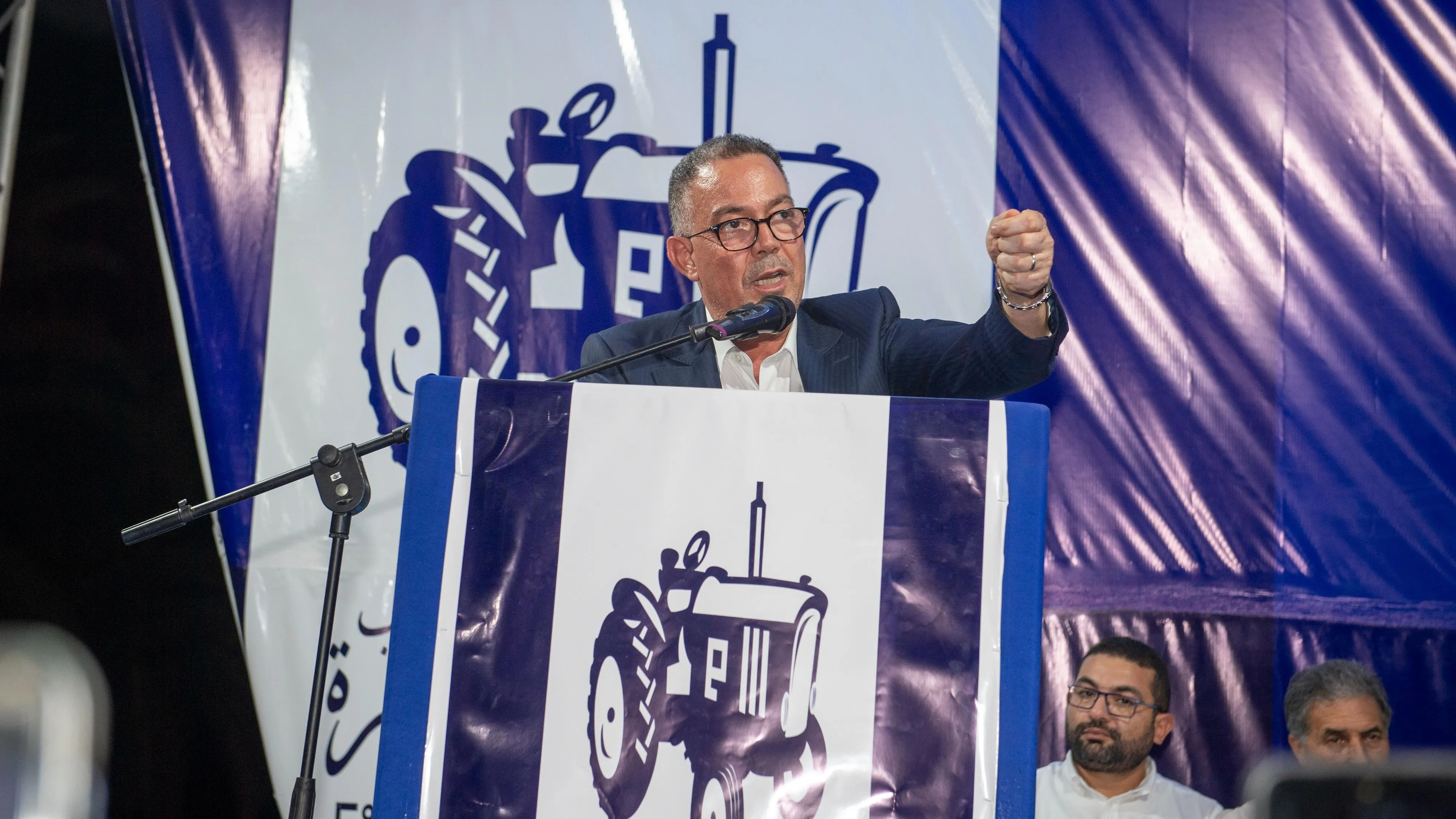

The Authenticity and Modernity Party (PAM), a liberal political entity and member of the outgoing government coalition, has declared itself the victor of Morocco's legislative elections, which were notably overshadowed by an unprecedented abstention rate of 61.9%. This figure represents the highest level of voter disengagement recorded in two decades, according to preliminary data released by the Moroccan Ministry of Interior. Nearly nine hours after polling stations closed, Interior Minister Abdeluafi Laftit announced that PAM had secured **97 out of 395 seats** in the Parliament, outpacing its coalition partners.
PAM's electoral success saw it surpass its coalition allies: the National Rally of Independents (RNI), which transitioned from leading the executive branch to becoming the second largest party with **66 seats**, and the Istiqlal Party, which retained its position with **65 seats**. The results, as disclosed by the Interior Minister, aligned closely with analysts' predictions, which had anticipated PAM's lead over its coalition partners.
The Origins and Impact of PAM
The Authenticity and Modernity Party, established in 2008, was founded in part by **Fouad Ali El Himma**, a close associate of King Mohammed VI and a royal advisor. This party has also become the political home of **Fouzi Lekjaa**, the current Minister of Finance, President of the Moroccan Football Federation, and a key figure expected to gain prominence in the upcoming legislative term, especially with Morocco co-hosting the 2030 World Cup alongside Spain and Portugal. A notable turn of events came from the Justice and Development Party (PJD), a moderate Islamist group that managed to secure **54 seats**, recovering from a significant electoral defeat five years ago when it plummeted from **125 to just 13 seats**. This electoral loss effectively ended a decade-long dominance of the PJD, which had initially ascended to power following the 2011 protests and subsequently won the 2016 elections.
The leftist factions in Morocco also celebrated a noteworthy achievement, securing eight seats despite their minority status in the country's political landscape. The distribution of seats in these elections is determined by a system based not on valid votes but rather on the number of registered voters in each constituency, a method that often leads to fragmentation and hinders the formation of absolute majorities. Consequently, local analysts suggest that the existing government coalition, comprising PAM, RNI, and Istiqlal, is likely to continue, albeit with a stronger influence from the liberal party.
Voter Disengagement Takes Center Stage
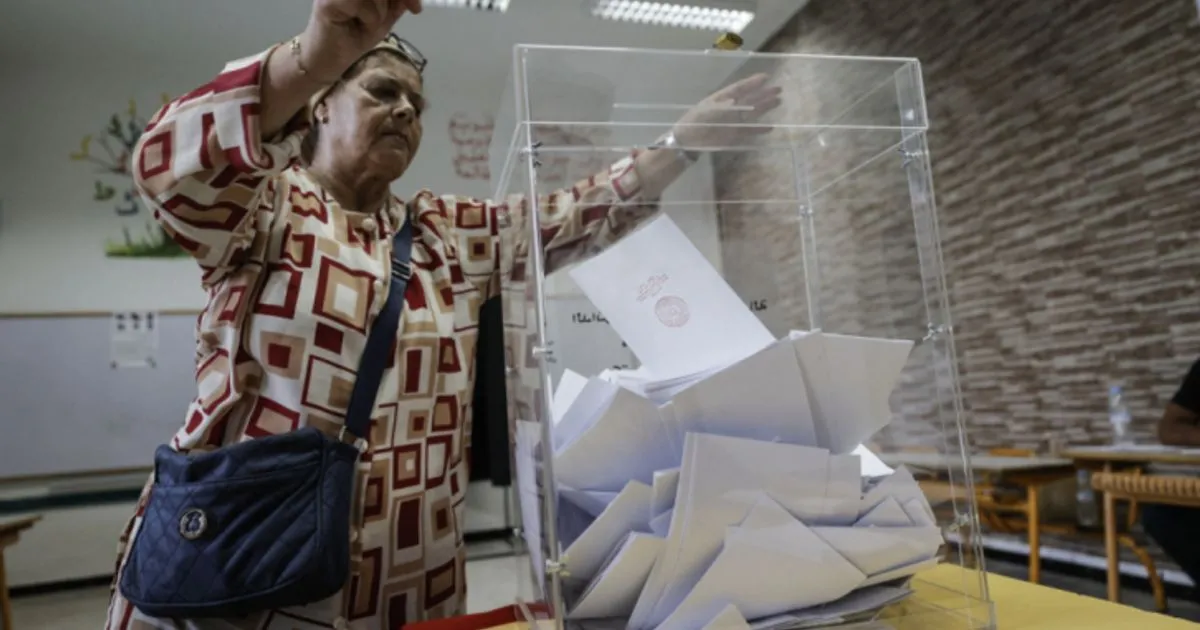
The overwhelming abstention rate has emerged as a significant theme in these elections, underscoring a growing disconnect between the political elite and the Moroccan populace. The turnout for this election was a mere **38.08%**, marking the lowest participation rate since 2007, with approximately six million voters casting their ballots out of **15.8 million registered** voters, a prerequisite for voting in the nation. Contrary to this trend, Laftif noted a substantial voter turnout in Western Sahara, with figures reaching **77% in Laayoune** and **61% in Dakhla**. The pattern of high abstention has persisted throughout the last 25 years, with the previous elections in 2021 witnessing an abstention rate of **49.6%**, which, although high, represented the most significant participation in two decades, slightly above 50%.
Historically, the most significant abstention rates since King Mohammed VI ascended to the throne occurred in 2007 with **63%**, followed by **57%** in 2016. The election day proceeded largely without major incidents, aside from isolated occurrences that the minister stated had no impact on the overall electoral process, although he did not address allegations of ballot tampering and vote manipulation reported at polling stations in Tangier. Approximately **3,000 observers**, including **200 international** monitors, were present to oversee the electoral proceedings.
Following the announcement of the official results, King Mohammed VI is expected to appoint the new Prime Minister, who will be a member of PAM, the party that emerged victorious in these elections. Analysts predict that **Lekjaa** is the frontrunner for this position, although the party operates under a collective leadership structure that includes current ministers such as **Fatima Ezzara El Mansouri**, Minister of Housing, and **Mehdi Bensaid**, Minister of Youth and Culture.
As reported by rtve.es.