
PAM Secures Leading Position in Moroccan Elections
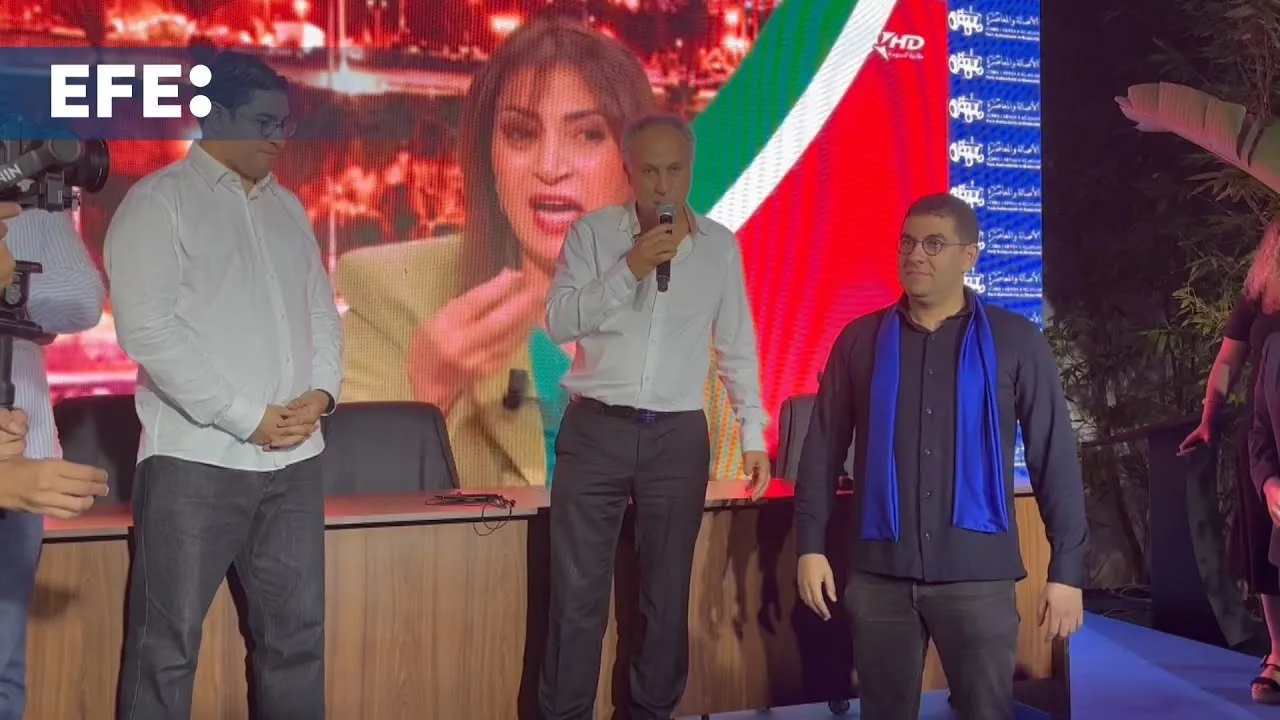
The recent Moroccan legislative elections have concluded with the Party of Authenticity and Modernity (PAM) achieving a notable victory by securing 97 out of the 395 seats in the House of Representatives. This significant win positions PAM ahead of the National Rally of Independents (RNI), led by the outgoing Prime Minister Aziz Akhannouch, which garnered 66 seats, and the Istiqlal party, which captured 65 seats. The Justice and Development Party (PJD) also made a comeback, winning 54 seats, marking its re-entry into a prominent role within the parliamentary landscape.
The announcement of these preliminary results was made by the Minister of Interior, Abdelouafi Laftit, in the early hours of September 24, following the elections held on September 23. This electoral outcome paves the way for a new governmental structure, as the next phase will involve the appointment of a new head of government by King Mohammed VI, who must come from the party that won the most seats.
Voter Turnout Declines Compared to Previous Elections
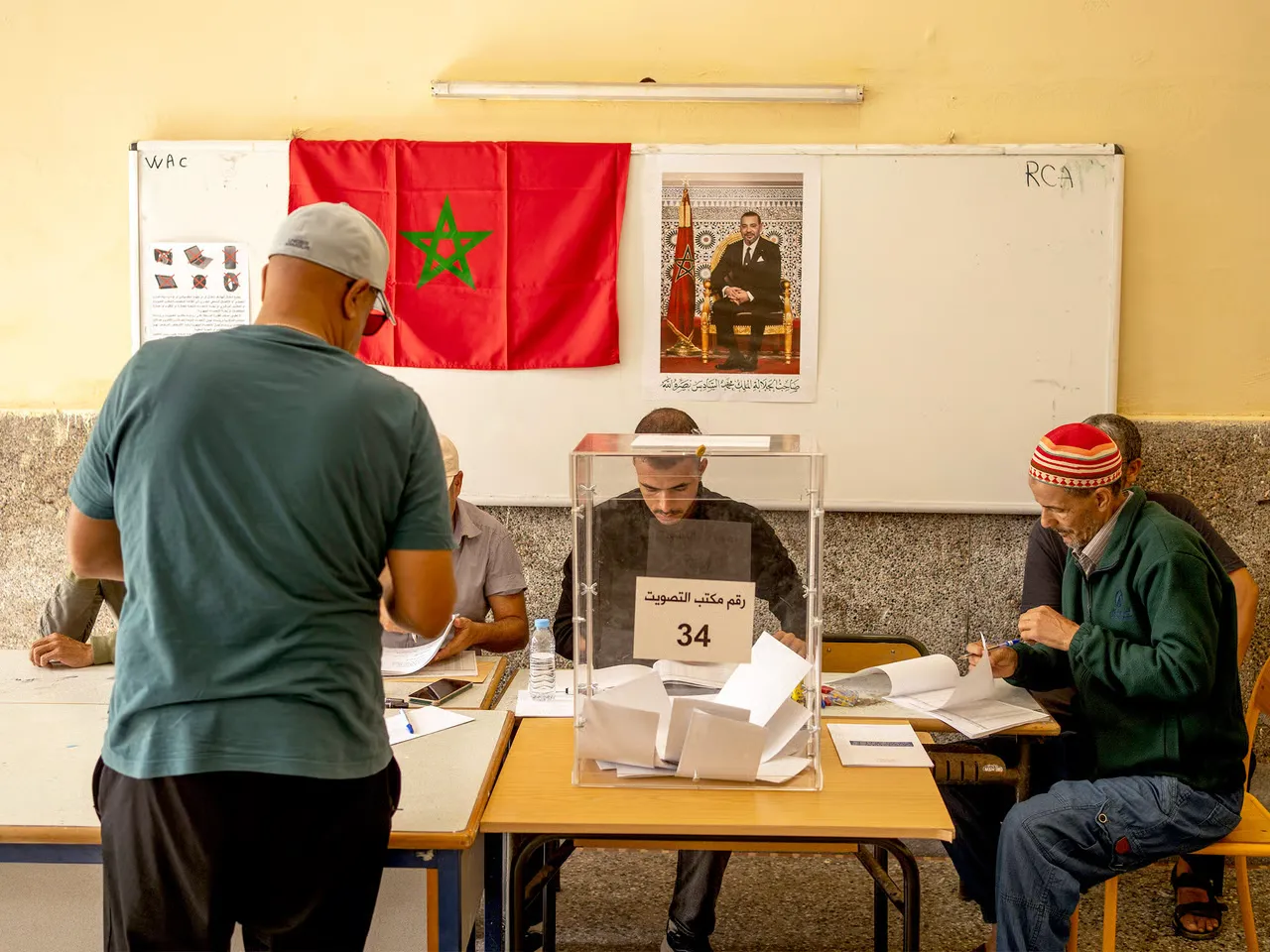
Despite the pivotal nature of these elections, voter participation was notably lower than in 2021, with only 38.02% of eligible voters casting their ballots. Throughout the day, participation increased gradually, starting at a mere 4.23% by 10 AM and reaching 28.05% by 5 PM, before polls closed at 7 PM. The Ministry of Interior reported that the election process was conducted "generally normally," although some localized incidents were noted, and over 3,000 observers monitored the proceedings to ensure transparency.
The shifting dynamics between political parties since the last elections in 2021 are strikingly evident. Five years ago, the RNI had emerged victorious, surpassing PAM and Istiqlal, while the PJD saw a dramatic decline, securing only 13 seats. Today’s results illustrate a significant shift, with PAM ascending to the top spot and PJD revitalizing its representation.
As Morocco enters this new political chapter, the responsibilities now lie with the royal palace to determine the next steps in forming the government, as stipulated by Article 47 of the Constitution, which mandates the king to nominate the head of government from the leading party in the elections.
As reported by jeuneafrique.com.