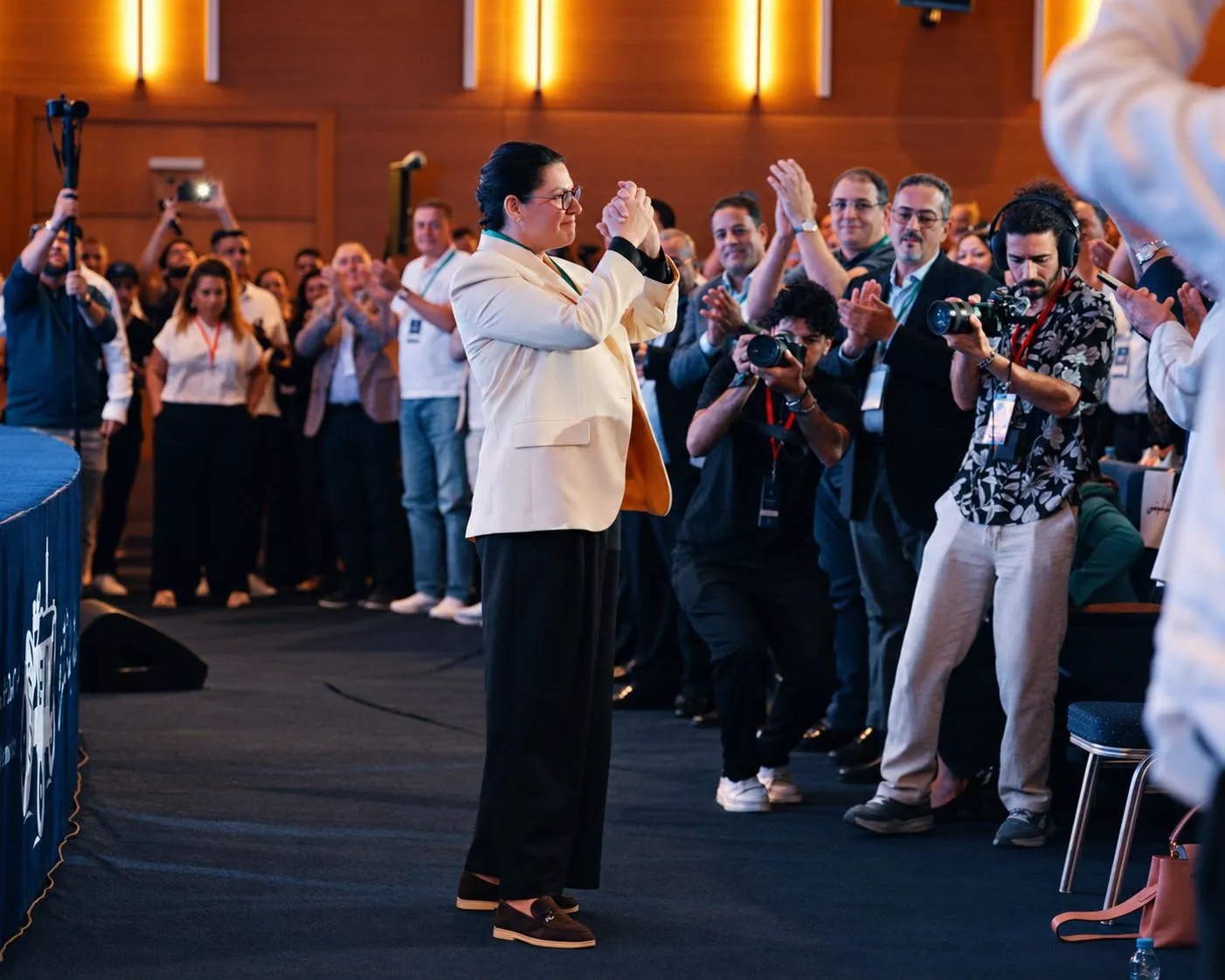

Marrakech – In a significant political development, the Authenticity and Modernity Party (PAM) has granted its head of government-designate, Fatima Ezzahra El Mansouri, full authority to negotiate the composition of the forthcoming governing majority. This decision was made during an extraordinary session of the party’s National Council held at the esteemed Skhirat Congress Palace. The council has entrusted El Mansouri, who serves as the coordinator of PAM’s collective leadership, along with a dedicated consultations commission, comprising notable members such as Fouzi Lekjaa, Ahmed Akhchichine, and Abdellatif Ouahbi, with the responsibility of engaging in dialogue with parliamentary parties to outline the potential coalition structure.
El Mansouri characterized the internal discussions as complex, noting that while some party members advocated for strict boundaries regarding alliances with certain political entities, others emphasized the importance of maintaining open lines of communication with all political factions. Ultimately, the council reached a consensus through a unanimous vote to delegate the negotiation process to El Mansouri and the appointed commission. Following the completion of the initial round of discussions, El Mansouri indicated that a subsequent round of talks is set to commence next week. These conversations began promptly after her nomination and subsequent meeting with the party’s political bureau, highlighting PAM's willingness to engage with all parties, including those indicating a preference for opposition, and reporting positive exchanges with leftist groups.
El Mansouri's aim is to establish a “strong government” characterized by a “political government” capable of implementing a feasible program. She firmly rejected what she termed “clientelism in the distribution of posts,” emphasizing that the selection of ministers should be based on competence, integrity, and a readiness to assume responsibility. Mohamed Mehdi Bensaid, a political bureau member, corroborated the mandate given to El Mansouri, acknowledging the varied opinions among members regarding the nature of the next majority and potential party affiliations. Despite these differences, there was a unified agreement on entrusting El Mansouri and the commission with the negotiation duties.
This pivotal session followed the recent appointment of El Mansouri by King Mohammed VI, marking her as the first woman to lead a Moroccan government and the second in the Arab world after Tunisia’s Najla Bouden. Her appointment comes on the heels of PAM's notable success in the September 23 legislative elections, where the party secured the support of one million out of the 15.8 million registered voters.
El Mansouri referred to her appointment as an “exceptional historic moment,” underscoring its significance for PAM, particularly 18 years after the party's inception. During their audience, she conveyed a message from the King, who expressed pride in Moroccan women and acknowledged their contributions across urban and rural landscapes. El Mansouri argues that this pivotal moment transcends symbolism, necessitating accountability and tangible results.
With voter turnout recorded at 38%, El Mansouri interprets this as a clarion call for political parties to honor their commitments and intensify efforts to rebuild public trust. Previous secretaries-general of PAM also extended their congratulations to her during a message read at the council meeting. El Mansouri has been a member of PAM since its founding in 2008 by royal advisor Fouad Ali El Himma. A law graduate from Montpellier, she rose to prominence by becoming the mayor of Marrakech at the young age of 33 in 2009, later serving as the housing minister under Aziz Akhannouch.
As she embarks on the journey to form a coalition, El Mansouri faces the reality that Morocco's electoral system rarely grants any party an absolute majority, which underscores the importance of building alliances. Meanwhile, the Justice and Development Party (PJD) and the Left Alliance have declared their intention to remain in opposition. El Mansouri's administration will be tasked with addressing significant challenges, including rising unemployment, cost of living concerns, and youth discontent, which was notably expressed during last year’s GenZ 212 protests and the migration crisis at the occupied enclave of Ceuta in July. Additionally, her government will oversee Morocco's co-hosting of the 2030 World Cup and the development of the Autonomy Plan for Western Sahara.
As reported by moroccoworldnews.com.