
PAM's Economic Vision for 2026-2031
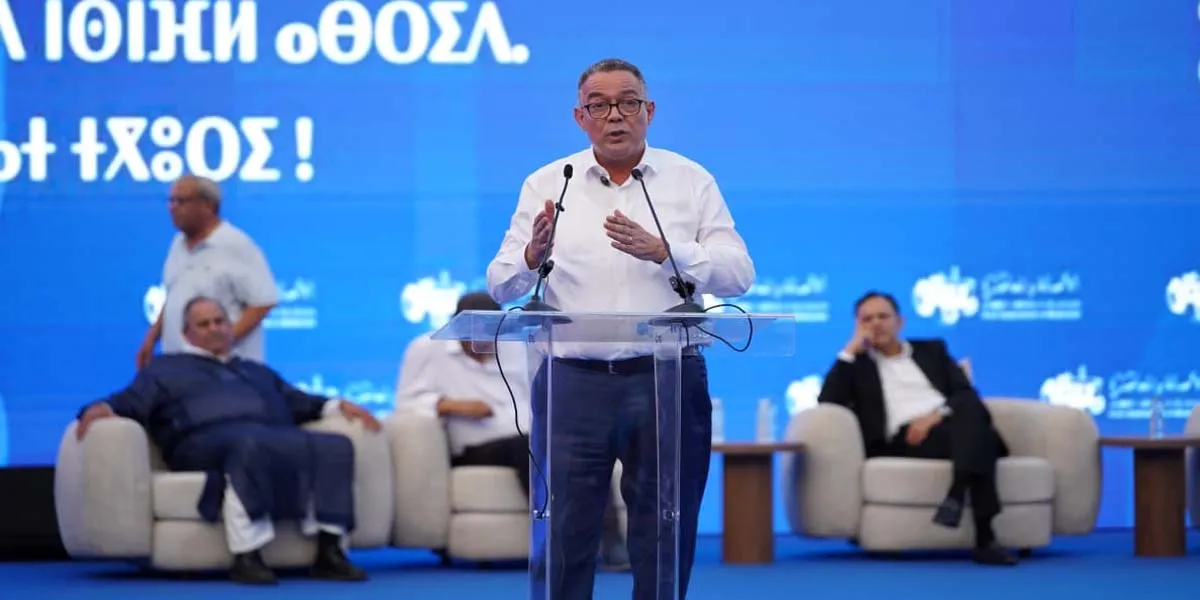
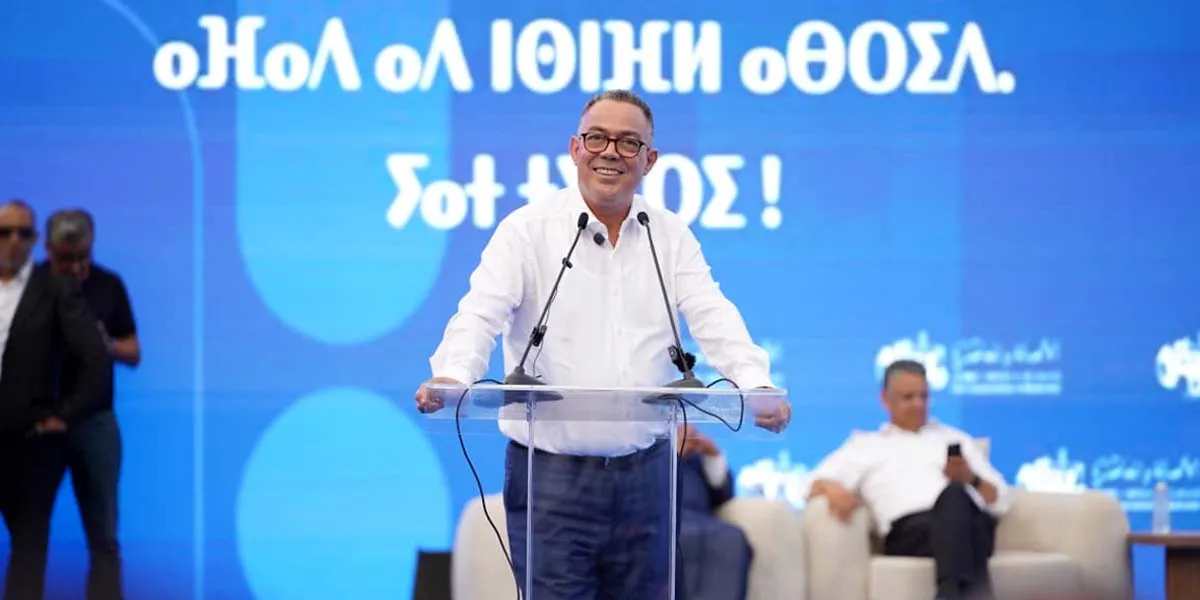
Fouzi Lekjaa, a prominent member of Morocco’s Authenticity and Modernity Party (PAM) and the minister responsible for budgetary affairs, unveiled an ambitious economic and social program aimed at transforming the nation's landscape during a recent event in Agadir. The plan, which is set to span from 2026 to 2031, carries an estimated cost of approximately 350 billion dirhams, translating to an average annual investment of 70 billion dirhams. Lekjaa emphasized that this financing strategy has been crafted without imposing additional tax burdens on the citizens of Morocco.
In his presentation, Lekjaa highlighted the importance of a thorough assessment of Morocco's current economic and social conditions as a foundation for the party's policy-making process. He cautioned that any misinterpretation of present circumstances could lead to ineffective and misguided policies. Central to PAM's development strategy is the improvement of citizens' quality of life, with a particular focus on enhancing purchasing power and ensuring the affordability of essential goods.
Key Proposals to Enhance Living Standards
Among the notable proposals outlined by Lekjaa is the plan to increase the minimum monthly pension to 3,000 dirhams, alongside a comprehensive overhaul of the personal income tax system. According to the data presented by the minister, these tax reforms could potentially boost monthly incomes for employees by a range of 1,500 to 4,000 dirhams, contingent upon individual income levels and circumstances. Furthermore, Lekjaa brought attention to the plight of widows, proposing that they receive a full pension in recognition of the ongoing financial responsibilities that households face following the loss of a primary breadwinner.
To tackle the issue of purchasing power, Lekjaa proposed a strategic reorganization of distribution channels for basic goods, aimed at regulating the relationship between producers and consumers. This initiative seeks to ensure equitable commercial margins and mitigate price increases that often arise from the involvement of multiple intermediaries in supply chains. Youth policy was also a significant theme in the program, with Lekjaa attributing the numerous challenges confronting young Moroccans to the cumulative effects of economic and social pressures. PAM aims to reintegrate youth into productive economic activities, fostering a culture of value creation.
In the realms of health and education, the party aspires to deliver services that align with citizens' needs while addressing the disparities in access to essential services across various regions. Lekjaa reiterated PAM’s commitment to supporting the development initiatives spearheaded by King Mohammed VI, which are designed to mitigate regional disparities and promote balanced growth throughout the nation. He asserted that Morocco requires a development pathway that allows for equitable progress among its citizens rather than one that perpetuates existing inequalities.
Regarding financing, Lekjaa assured that PAM's proposals are underpinned by meticulous calculations, with funding sources identified for each of the five years, thereby ensuring that the implementation of these initiatives will not necessitate an increase in taxes levied on the public. He encapsulated the program's essence with the term “reasonableness,” indicating PAM's intention to establish transparent commitments to the electorate and create a framework for accountability concerning the execution of these initiatives.
In conclusion, Lekjaa rallied supporters at the Agadir event to actively promote the program as a means of galvanizing voter support ahead of the elections on September 23. He emphasized that a strong turnout would provide PAM with the mandate necessary to fulfill its proposals and drive Morocco's development forward.
As reported by en.hespress.com.