
Cameroon’s President Biya Returns to Public Life Following Extended Absence
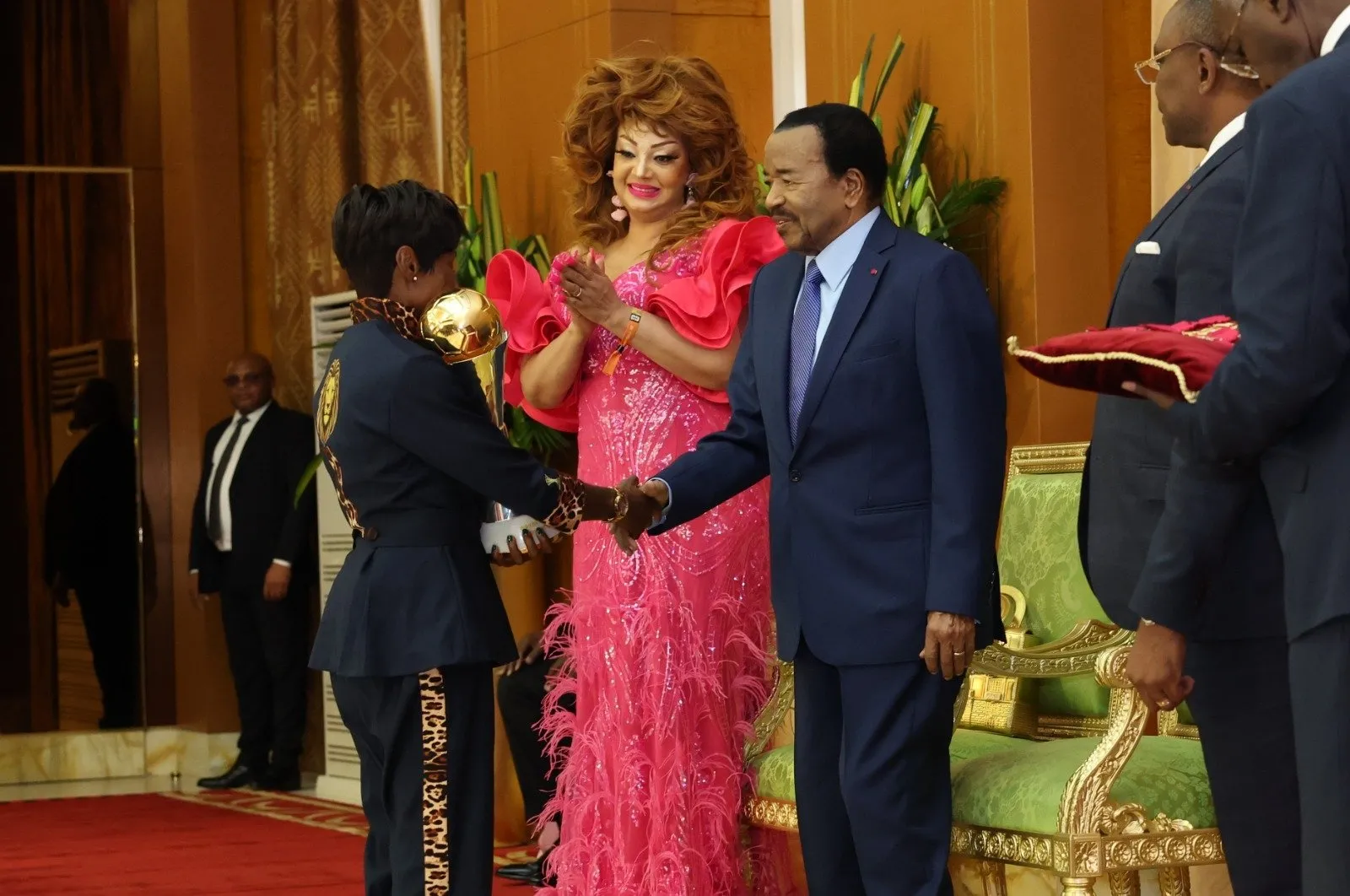
On August 25, 2026, President Paul Biya of Cameroon marked his first public engagement in an impressive 73 days, as he warmly welcomed the nation’s women’s national football team, the Indomitable Lionesses, to the presidential palace in Yaoundé. This event took place following their remarkable victory in the Africa Women’s Cup of Nations, where they triumphed over Malawi with a score of 3-0 in the final match held on August 16 in Rabat, Morocco. The president’s appearance was particularly significant given the extensive time he spent in Switzerland, which has raised considerable concerns regarding his health and capability to govern effectively, sparking discussions about the future political landscape of Cameroon.
At 93 years old, Biya is recognized as the world’s oldest serving head of state, and his prolonged absence from public view had intensified scrutiny surrounding his leadership. His office had characterized his time away as a private visit, but the lengthy duration of his stay in Geneva, where he was reported to be with family and close aides, led to mounting speculation in a nation where political authority is heavily concentrated around the presidency. The president returned to Cameroon on a Thursday afternoon, greeted by supporters at the airport, some of whom donned attire emblazoned with his image, showcasing a mix of loyalty and curiosity about his health status.
During the reception for the victorious football team, Biya expressed his pride, remarking on the honor of hosting the athletes who brought home the coveted trophy. Forward Easther Mayi Kith shared her joy at the reception, stating, "I’m so happy that we could bring the trophy to Cameroon. Very, very honored and happy.” Coach Valentine Nguele echoed similar sentiments, emphasizing the joy and pride the team felt in accomplishing something exceptional with the backing of Cameroonians. However, Biya’s return also ignited criticism from opposition figures, who lamented the apparent institutional vacuum created during his absence, suggesting that the country was functioning on “autopilot” without clear leadership.
Critics have long questioned Biya’s health and leadership style, particularly in light of his frequent trips abroad. Communications Minister Rene Emmanuel Sadi previously dismissed rumors of hospitalizations during Biya’s stays in Geneva. Yet, the latest speculation has reignited debates about the future of governance in Cameroon, especially given that there is no vice president to assume power in the event of a vacancy in the presidency. Constitutional provisions dictate that the Senate President, Aboubakary Abdoulaye, would be next in line, but the lack of a clear succession plan has led to uncertainty among the populace. Some citizens, like 30-year-old teacher Giles Owono, expressed that a president’s extended absence naturally raises questions about the state of democracy, while others, such as opposition leader Prosper Nkou Mvondo, criticized the political theatrics surrounding Biya’s return, stating, "It makes no difference whether he returns or stays away. When he is here, he does nothing.”
Biya has presided over Cameroon since 1982 and was re-elected for an eighth term in October 2025, a process marred by protests that were met with violence. Following his lengthy absence, discussions about potential successors have intensified, reflecting a growing concern about the future of leadership in a political system dominated by Biya for over four decades. As Cameroon awaits clarity on its political direction, the nation reflects on Biya’s legacy and the implications of his health on the stability of governance.
As reported by dailysabah.com.