
The Rising Migration Crisis in Ceuta
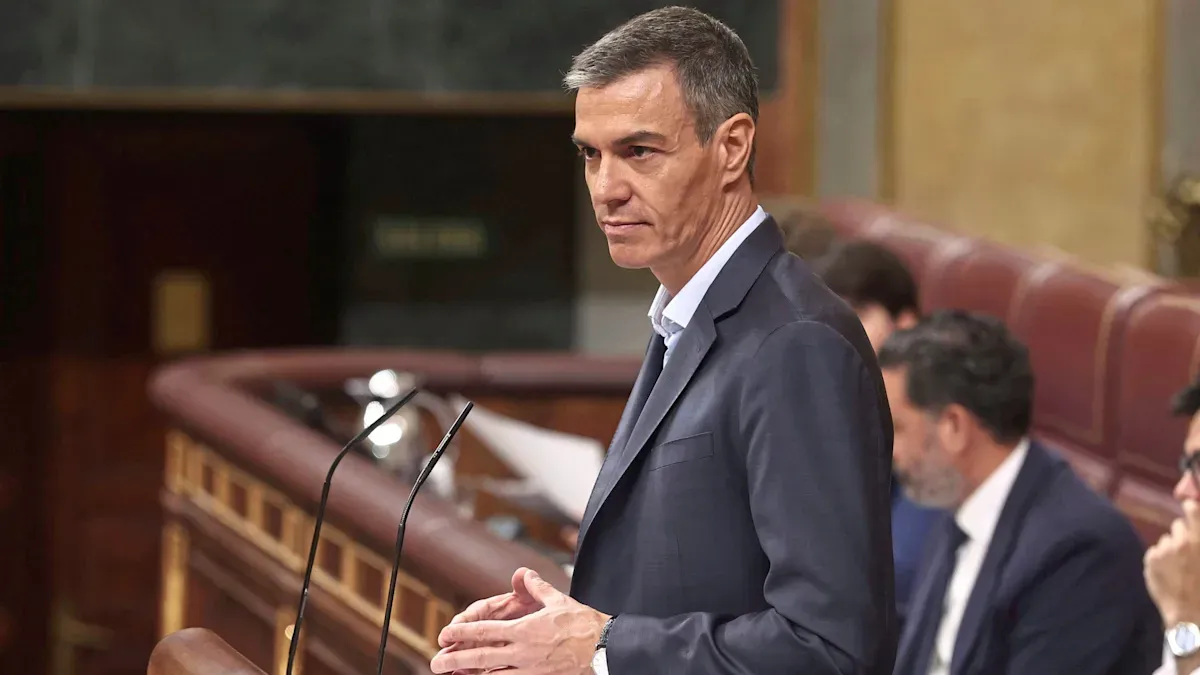
In a recent interview with Spanish broadcaster Ser, Prime Minister Pedro Sánchez expressed grave concerns regarding the role of networks allegedly linked to Russia and Israel in exacerbating the mass influx of migrants into Ceuta, a Spanish exclave located in North Africa. Sánchez claimed that these networks have been disseminating false information that has contributed to the overwhelming number of migrants arriving in the region at the end of July. This assertion was reportedly supported by intelligence from the European External Action Service (EEAS). The Prime Minister firmly dismissed speculation regarding Morocco's involvement in the situation, attributing the crisis instead to the geopolitical tensions surrounding Spain's criticisms of Israel's actions in Gaza and Russia's military aggression in Ukraine.
During the tumultuous days of July 30 and 31, around 72,000 migrants were reported to have swum or climbed over barriers from Morocco to Ceuta, according to Spain's Interior Minister Fernando Grande-Marlaska. This staggering figure has raised alarms among Spanish opposition parties and human rights organizations, who have accused Morocco of intentionally allowing this mass migration to occur. In the wake of the crisis, local residents have begun to protest against the prolonged presence of such a large number of migrants, thereby putting additional pressure on Sánchez's government to respond effectively.
Controversy and Diplomatic Strain
The response from Israel has been swift, with Foreign Minister Gideon Saar categorically denying Sánchez's accusations, labeling them as a "brazen lie" aimed at diverting attention from Spain's own domestic failures. The ongoing diplomatic tensions between Spain and Israel have escalated in recent years, particularly as Spain has become one of the strongest European critics of Prime Minister Benjamin Netanyahu's administration. Sánchez has condemned Israel for perceived acts of genocide in Gaza and has criticized ongoing Israeli-American military actions against Iran as violations of international law. Furthermore, Spain has imposed sanctions on Israel and officially recognized Palestine as a state, leading to both nations recalling their ambassadors.
In the interview, Sánchez emphasized that the Spanish government is committed to acting based on verified facts and data. He pointed out that misinformation has been rampant on social media, particularly regarding a Supreme Court ruling from July 8 that was reportedly misrepresented to suggest that anyone reaching Ceuta by swimming could not be deported. Sánchez clarified that this interpretation is inaccurate and stated that Morocco has cooperated fully and promptly with Spanish authorities during this crisis. However, it is worth noting that Morocco has long claimed sovereignty over Ceuta and Melilla and had previously allowed thousands of migrants to reach Ceuta in 2021.
As reported by welt.de.