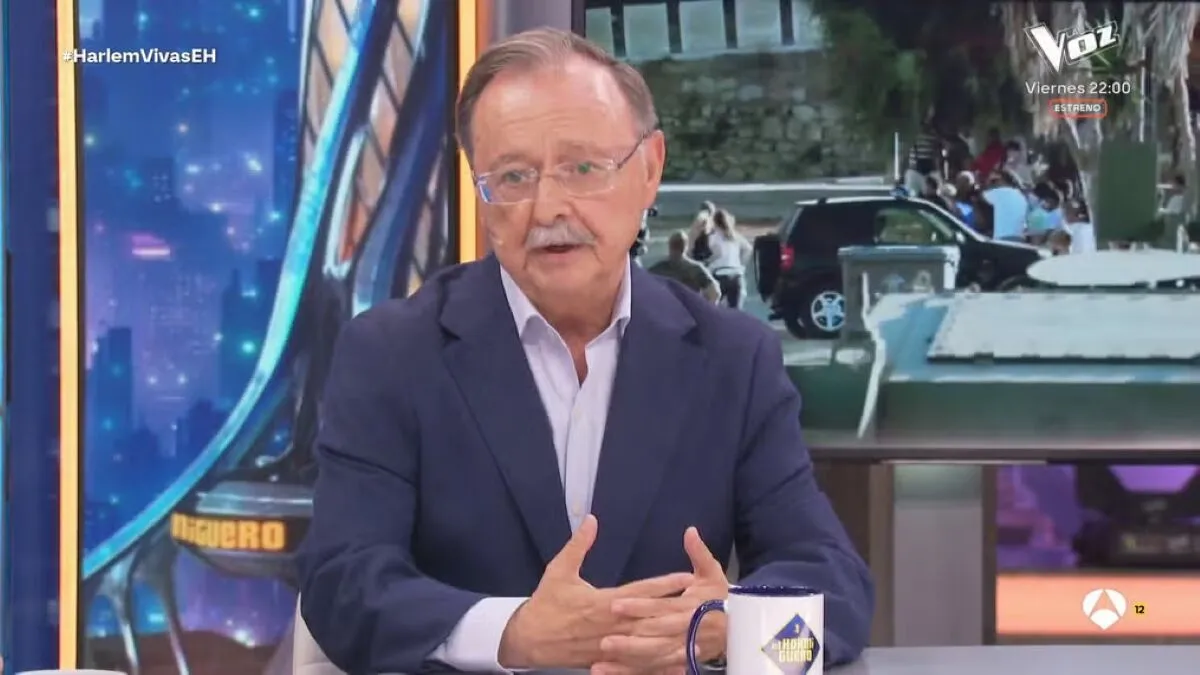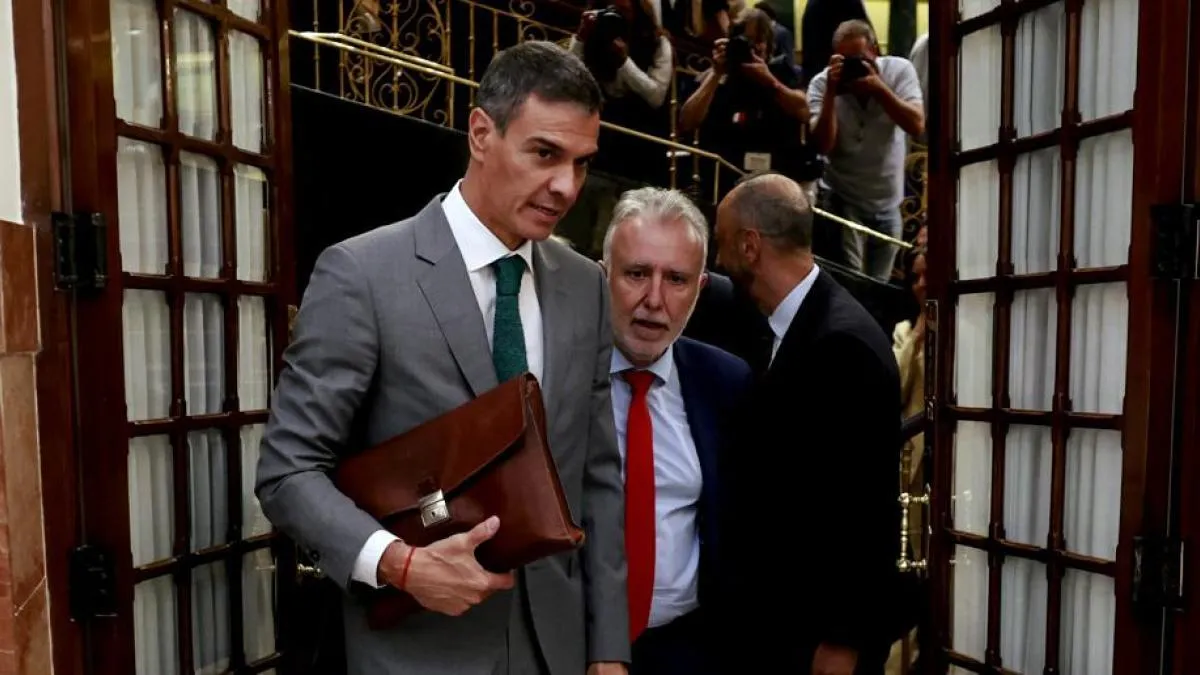

In a candid interview on La Sexta's _El Intermedio_, Spanish Prime Minister Pedro Sánchez faced tough questions from Ceuta resident Antonio, who directly challenged him about the government's stance regarding Morocco. The interview aired on Monday night, shedding light on the ongoing immigration crisis that overwhelmed Ceuta on July 30 and 31, when an estimated 70,000 migrants surged into the autonomous city. Sánchez defended the Moroccan government's actions during this tumultuous period, emphasizing the necessity of fostering a respectful and fact-based relationship with neighboring countries rather than succumbing to speculation and misinformation.
Sánchez articulated that the recent rumors suggesting Morocco had extracted sensitive information from his phone via the Pegasus spyware were unfounded and more suited for a fictional series than the reality of international relations. He stressed the importance of establishing a bilateral relationship with Morocco that encompasses various domains, including security, economy, culture, and social matters. Furthermore, he warned that those advocating for a severance of ties with Morocco, crucial for the return of many migrants, were not contributing to a solution but rather exacerbating the issue.
The Prime Minister reiterated the pragmatic need for a positive relationship with Morocco to prevent future crises. He categorically dismissed allegations that Morocco was blackmailing him or that the Pegasus surveillance had influenced his governmental response to the Ceuta crisis. He asserted that his eight years in office have demonstrated his autonomy and commitment to the general interest of Spain. Sánchez highlighted the need for constructive and positive relations with Morocco, promising a robust response if evidence emerged linking Morocco to the immigration surge. However, he noted that no substantial information currently supports such claims.
Addressing the Moroccan authorities' response to the influx of migrants, Sánchez commended their actions as intelligent and proactive. He described how Moroccan officials alerted Spain to the impending surge and worked to manage the situation in a way that minimized harm to the migrants, despite the tragic loss of lives. He acknowledged the unprecedented scale of the immigration wave, which caught both Spanish and Moroccan authorities off guard, leading to a response that was not anticipated in its magnitude.
Regarding the intelligence alerts leading up to the crisis, Sánchez refuted claims that a message from a CNI agent to the now-resigned chief of staff in Ceuta indicated an impending crisis. He argued that WhatsApp messages do not serve as concrete evidence of alerts and emphasized that serious nations like Spain rely on comprehensive intelligence reports to prepare for such events. While there was a warning to remain vigilant, it did not reflect the scale of mobilization that unfolded on those fateful days.
Looking ahead, Sánchez acknowledged that resolving the immigration crisis would take time. Responding to another Ceuta resident's inquiry about the timeline for resolution, he defended his government's actions, stating that by the end of the week, more than 6,000 accommodations would be available for migrants, a significant increase from the 500 spots prior to the crisis. His goal is to approach 10,000 available places, although he cautioned that the process is slow and complex, requiring patience from the citizens of Ceuta. He expressed hope that the situation would stabilize by the end of the year.
As reported by lavanguardia.com.