
Spanish President Calls for Clarification from Morocco on Border Control Issues
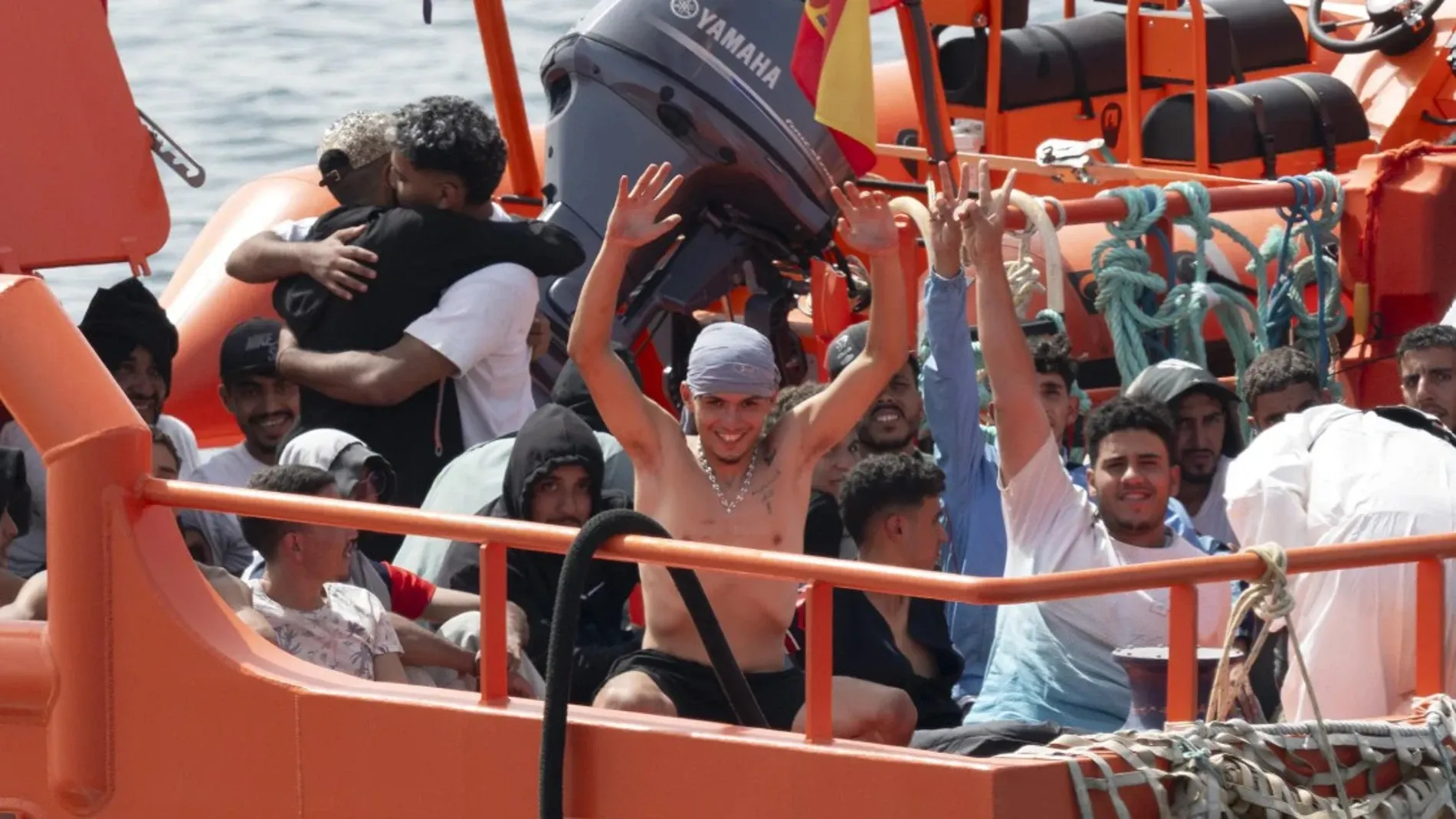
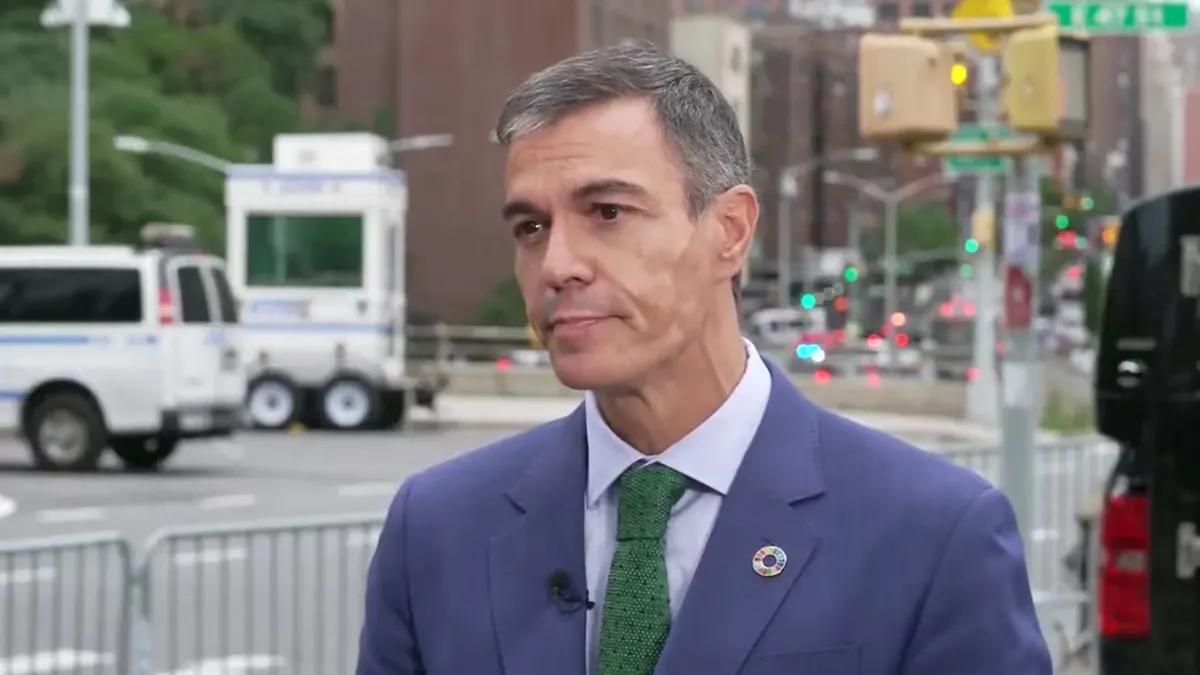
In a recent interview with CNN, Spanish President Pedro Sánchez acknowledged significant failures in Morocco's border control during a massive influx of migrants into Ceuta at the end of July. He articulated his concerns while attending the United Nations General Assembly in New York, stating that he has requested explanations from Morocco regarding these shortcomings. Despite raising these critical issues, Sánchez emphasized that the bilateral cooperation between Spain and Morocco remains strong and productive, developed over nearly five decades.
During the interview, Sánchez highlighted the events of July 30 and 31, when thousands of migrants attempted to cross into Ceuta. He stated, "We are investigating what occurred during those days, but we have also asked for answers from Morocco as it is evident that their border control failed." This admission underscores the gravity of the situation and the need for accountability on both sides. Sánchez expressed his expectation for "actions and responses" from Rabat, reiterating the positive nature of the long-standing relationship between the two nations.
Request for European Solidarity Amidst Migration Crisis
Furthermore, Sánchez took the opportunity to address the lack of support from some European governments during this humanitarian crisis. He pointed out that, given Spain's unique position with two autonomous cities in Africa, it is entitled to seek backing from the European Union. However, he lamented the absence of solidarity from several EU member states during this critical period. In contrast, he noted that Spain has shown solidarity towards Italy during the Lampedusa migration crisis and with Denmark regarding discussions about Greenland's territorial integrity. He called for a similar display of support concerning the situation in Ceuta.
In response to questions regarding the actions of his government and any potential missteps during the crisis, Sánchez refuted claims that there were clear indications of an impending crisis. He argued that while documents existed warning of possible scenarios, there was no definitive evidence suggesting such an event would transpire. As for Ceuta's current state, he assured that Spain is gradually restoring normalcy, although some unidentified migrants continue to roam the streets, and occasional disturbances remain. The government is also developing a legal framework to provide protection to those eligible for international asylum.
Amidst allegations of corruption surrounding his administration, Sánchez defended his commitment to transparency and accountability, asserting that his government has taken decisive actions against corrupt practices. He dismissed some of the accusations as political maneuvers by the opposition aimed at undermining his leadership.
As reported by infobae.com.