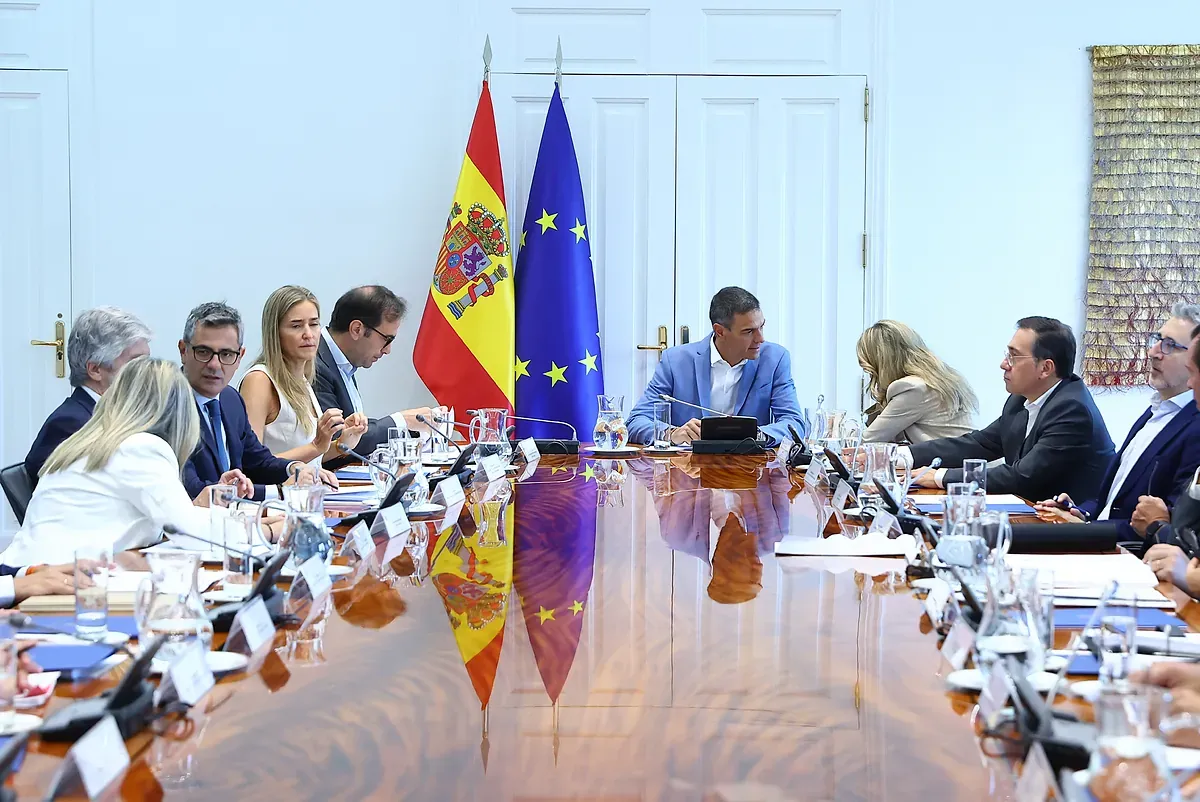

Government's Response to the Ceuta Crisis Under Scrutiny
Pedro Sánchez, the Prime Minister of Spain, is facing mounting criticism for his handling of the immigration crisis in Ceuta, a Spanish autonomous city bordering Morocco. Many believe he should have been more proactive and visible during this critical time. There are calls for him to have visited Ceuta again alongside King Felipe VI and to have collaborated more closely with local leaders like Juan Vivas. The situation has escalated to a point of no return politically, and the ramifications are becoming increasingly evident. The government is now aware that the resolution of this crisis will take weeks, if not longer, and the slow pace of expulsion for the thousands of immigrants currently in Ceuta is raising concerns.
The repatriation process is expected to be complicated and sluggish, hinging on the faith of the government in Morocco's cooperation—ironically, the same country that has previously ignored numerous repatriation requests for minors who entered Ceuta before the recent surge. Publicly, Sánchez refrains from self-criticism; his recent interview with journalist Aimar Bretos offered no admissions of error, and expectations are low for his upcoming Congress appearance. However, sources within the government have privately acknowledged missteps in managing the crisis. One official stated, "We should have acted faster and more decisively, but it’s complicated. We should have set up temporary shelters earlier, and key ministers should have remained on-site longer to coordinate efforts effectively. The reality, however, is that it takes time to fully understand the situation and respond appropriately."
Challenges Ahead for Ceuta's Immigration Situation
The situation in Ceuta has proven to be a significant challenge for the government, with officials recognizing that the narrative surrounding the crisis has shifted, making it difficult to regain control. The ongoing discussions about the situation have become a political battleground, benefiting opposition parties like Vox, while the ruling party struggles to compete in this narrative. The pressing issue remains finding a sustainable solution to the untenable conditions in Ceuta, with little hope for a quick resolution in sight. Reports of bureaucratic bottlenecks persist, with government sources admitting that they are deploying numerous officials to address the situation but require more time to make progress. The timeline for resolving these issues remains vague, with officials suggesting it may take "a little longer."
One of the significant hurdles is the reluctance of officials to sign off on repatriation documents, stemming from a 2025 court ruling that imposed severe penalties on former officials for past expedited repatriations. This has led to a cautious approach, as no one wants to face legal repercussions for hastening the process. Despite these challenges, the government remains optimistic that Morocco will accept the return of all immigrants who entered Ceuta, asserting that the conditions leading to the recent surge will not recur. Sánchez has insisted that there is no evidence of direct involvement from Moroccan authorities in the crisis, yet he has simultaneously pointed fingers at external influences, including international figures and other nations, without providing solid evidence to support these claims. The situation remains complex, with various factors at play, including Morocco's upcoming legislative elections that could influence its response to the crisis.
As reported by elmundo.es.