
Political Turmoil Surrounding the Migratory Crisis in Ceuta
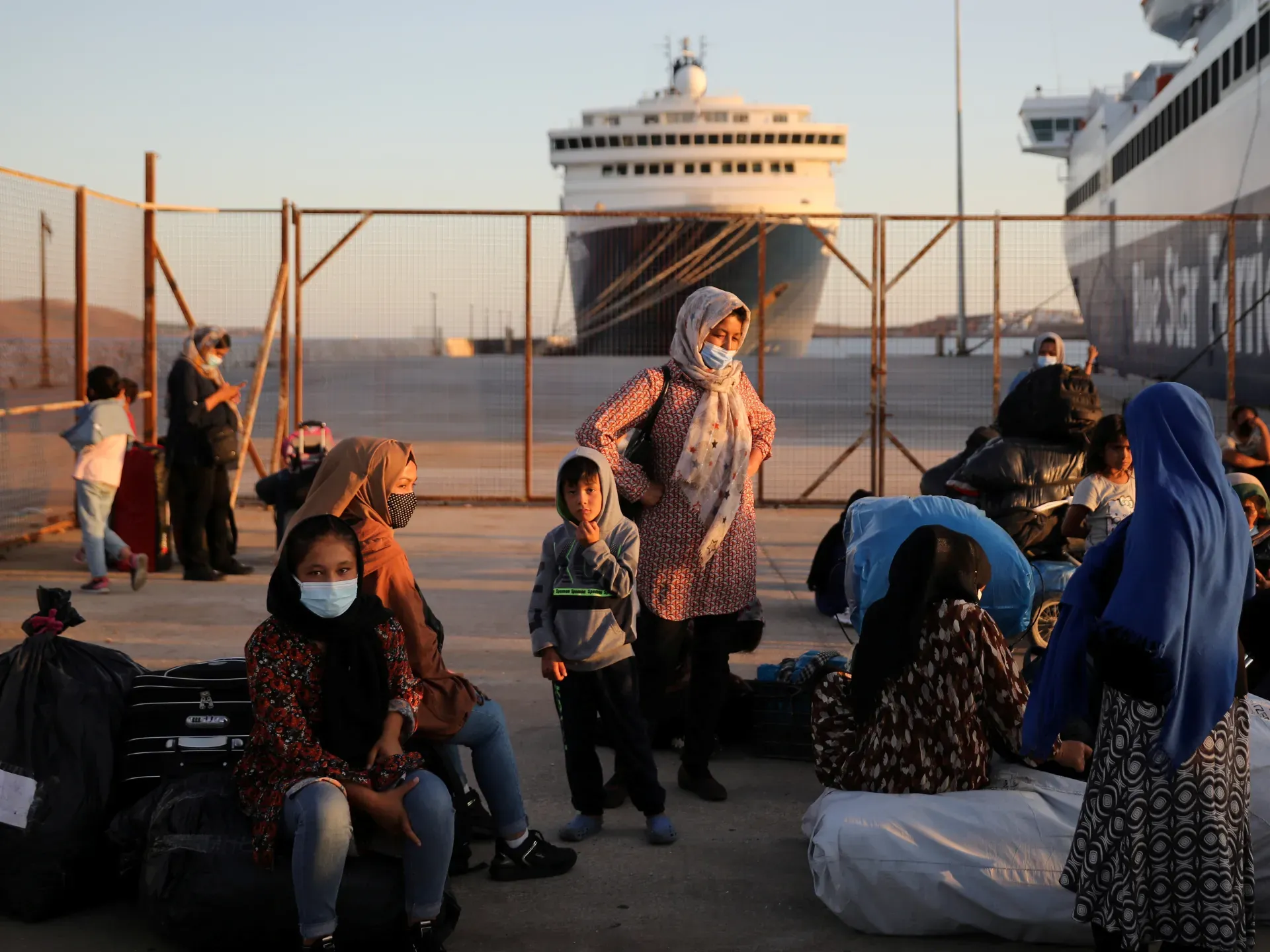
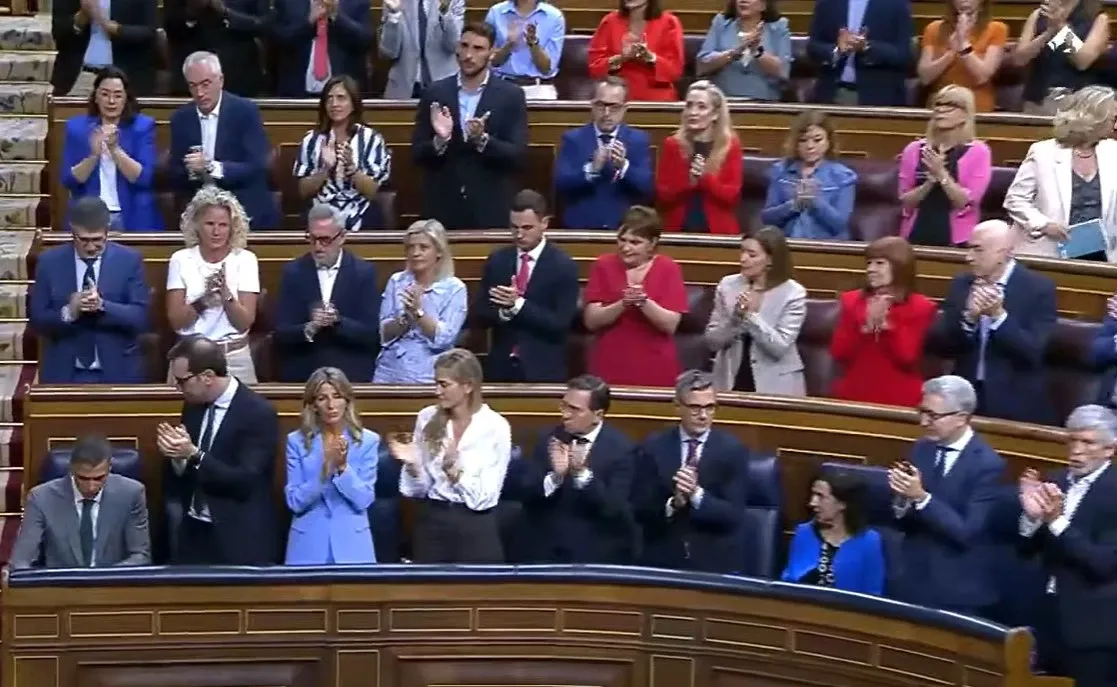
On Thursday, Spanish Prime Minister Pedro Sánchez confronted one of the most challenging sessions in Congress since the onset of the migratory crisis in Ceuta. His political stance has become increasingly isolated as he continues to assert that there is no solid evidence linking Moroccan authorities to the organization or execution of the mass entry of over 70,000 individuals recorded on July 30 and 31. This assertion has been met with skepticism from nearly all parliamentary factions participating in the debate, including his coalition partners.
The uniqueness of this session lies in the fact that the dissenting voices are not limited to the opposition parties, such as the Popular Party (PP) and Vox, but also include Sánchez’s coalition partners. Notably, the leftist coalition Sumar, which shares power with Sánchez’s Spanish Socialist Workers' Party (PSOE), has openly criticized Morocco’s actions and called for a shift in Spain's policy towards Rabat.
Sánchez has maintained that should solid evidence of Moroccan involvement emerge, the government would act decisively. However, he emphasized the risks of adopting confrontational measures against Morocco without conclusive proof, recalling the false pretenses used to justify the Iraq War. This careful positioning increasingly leaves Sánchez politically isolated, as he acknowledges that Morocco's actions during the crisis may raise doubts, yet insists these doubts do not confirm Rabat's involvement in orchestrating the operation.
Emerging Evidence Complicates Government Narrative
The narrative surrounding the crisis shifted dramatically in the past 24 hours with the release of a police report from the National Immigration and Border Center (Cenif), which was submitted to the National Court. The document describes the mass entry as a planned operation rather than a spontaneous occurrence and suggests that individuals linked to Moroccan security forces may have participated in organizing or facilitating the movement towards the border. It asserts that such a large-scale operation would exceed the capabilities of typical criminal organizations.
However, it is crucial to note that the report does not conclude that the Moroccan government ordered the mass entry, nor does it provide definitive proof of a state-sponsored operation. The government argues that other intelligence agencies, having gathered on-ground information, have not drawn this conclusion. Sánchez uses this distinction to bolster his position, acknowledging the possibility of evidence emerging that might implicate Morocco while currently maintaining that there is insufficient evidence to warrant a change in policy towards Rabat.
The most significant fracture appears within the government itself, particularly with Sumar, which expressed clear disagreement with Sánchez’s interpretation. Enrique Santiago, spokesperson for the United Left within the parliamentary group, directly accused Morocco of exploiting vulnerable individuals and characterized the situation as an
As reported by infodefensa.com.