
Understanding the Migrant Crisis: Insights from Pedro Sánchez
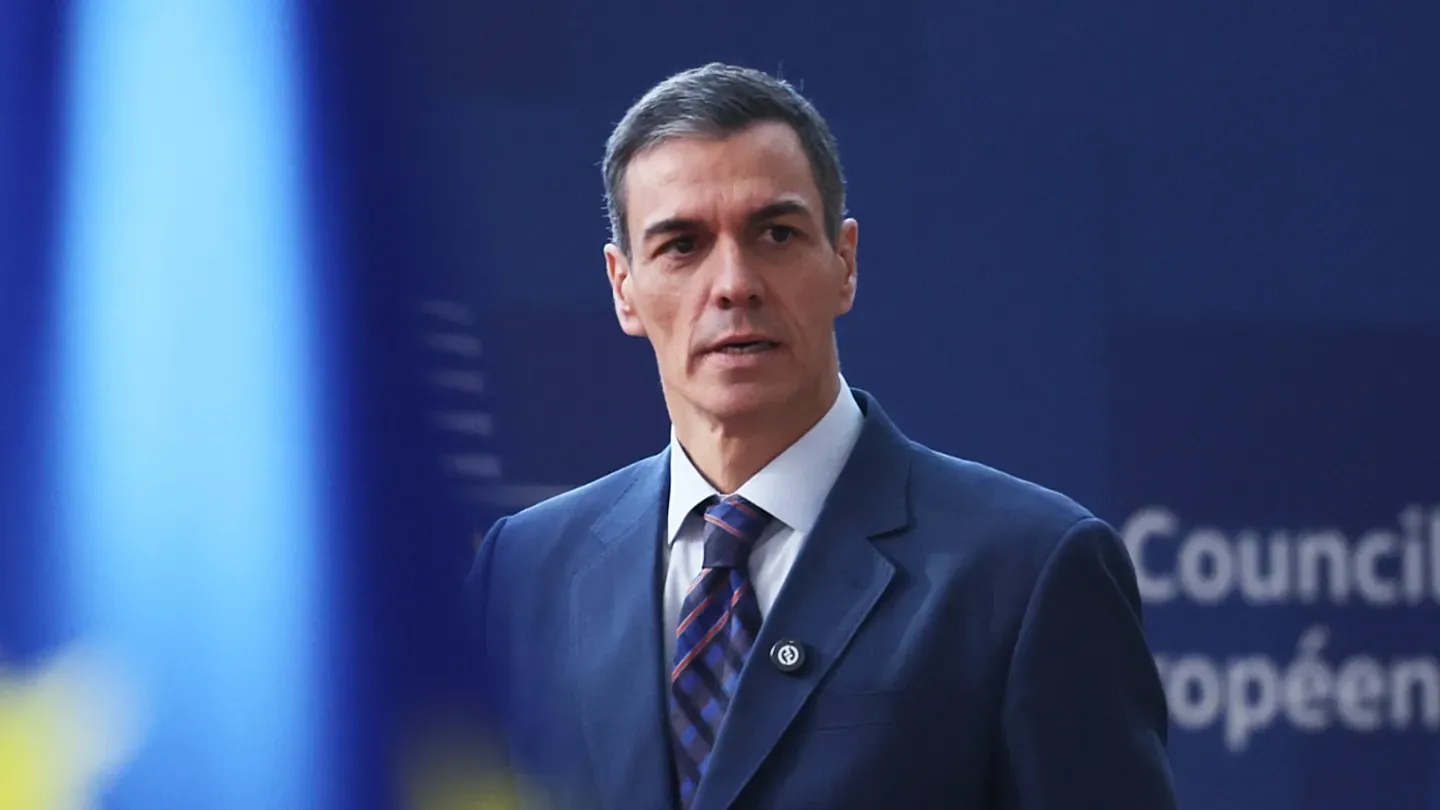
In a compelling interview on Cadena SER's "Hoy por Hoy," Spanish Prime Minister Pedro Sánchez addressed the recent surge of migrants arriving in Ceuta, attributing this unprecedented influx partly to disinformation propagated by Russia, Israel, and what he termed the "international far-right." This marked Sánchez's first extensive commentary regarding the crisis that unfolded at the end of July, as he emphasized the government's ongoing investigation into the factors contributing to this massive migration wave. He stressed the necessity for the Spanish government to rely on factual data and verified information as it navigates this complex situation.
Sánchez pinpointed the spread of misleading information in the days leading up to the influx as a critical factor in the crisis. He specifically highlighted a misrepresentation of a Supreme Court ruling regarding the return of migrants arriving by sea to Spanish territory, which he argued was distorted and amplified through social media channels, subsequently exploited by criminal organizations. While he acknowledged the role of disinformation in exacerbating the situation, he clarified that the government has not yet established a complete understanding of these events, reiterating that their investigation is still underway.
The Role of Disinformation in Migration Dynamics
Delving deeper into the origins and dissemination of false information, Sánchez made it clear that while he holds certain international actors responsible, it does not necessarily imply that their respective governments are directly involved. He articulated the broader context in which both state and non-state entities are using migration as a political weapon, leveraging misinformation to destabilize European nations. This concern over the political exploitation of migration issues is particularly poignant as Sánchez noted the potential for these tactics to deepen divisions within Europe.
When discussing the capabilities of Spain's National Intelligence Center (CNI) prior to the migrant surge, Sánchez confirmed that the CNI had issued situational reports, although he emphasized that none of these reports anticipated the scale of the crisis that would ensue. This statement came in the wake of conflicting narratives from officials, including Defense Minister Margarita Robles and Interior Minister Fernando Grande-Marlaska, regarding the intelligence shared prior to the mass arrivals. Sánchez sought to clarify that while there were indications of increased maritime movements, the ability to foresee such an overwhelming influx was not clear.
Furthermore, Sánchez dismissed the notion of Moroccan authorities being complicit in the migrant arrivals, asserting that no intelligence agency collaborating with Spain has suggested any involvement from Morocco. He praised Morocco's proactive cooperation in addressing the crisis from the outset, emphasizing that effective resolution hinges on collaboration rather than mistrust. In light of the ongoing situation, he announced plans to increase the number of available accommodations for migrants in Ceuta, aiming to provide sufficient support for those who remain in the autonomous city.
Currently, approximately 5,000 migrants continue to reside in Ceuta, including around 1,200 minors. Sánchez revealed that the majority of those who entered during the crisis have returned to Morocco, defending the government's measures to expand reception facilities as necessary and timely. He assured that the government is committed to managing this challenge effectively and compassionately, reaffirming the importance of cooperation with Morocco in addressing the underlying issues of migration.
As reported by de.euronews.com.