
Pentagon's Response to Spain's Military Challenges
The Pentagon is evaluating a range of potential measures to exert pressure on the Spanish government led by Pedro Sánchez following recent military challenges that have surfaced in diplomatic discussions with the Trump administration. While some interpretations suggest a possible expulsion of Spain from NATO, it is important to clarify that such a scenario is technically unfeasible under the current NATO treaty, which does not provide for the expulsion of member states. Reforming the treaty would require unanimous agreement among all allies, a complex and lengthy negotiation process that makes this option practically impossible.
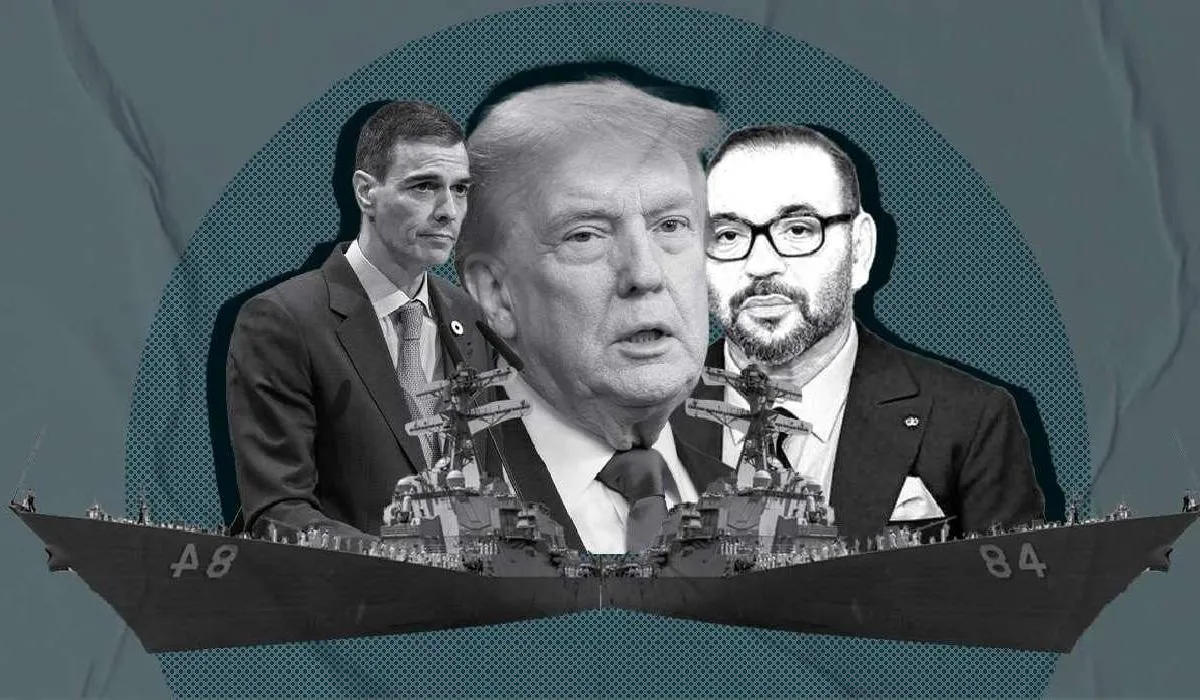
Despite the Pentagon's threats to take action against Spain, it is clear that the U.S. administration has several tools at its disposal for punishing Madrid. These range from prioritizing Morocco as an ally to restricting access to vital military intelligence. Leaked Pentagon emails indicate that the Trump administration is considering various measures in response to ongoing conflicts with Sánchez, notably the refusal to increase defense spending beyond the 2% threshold, a point of contention that was prominently discussed during the NATO summit in The Hague, as well as a recent veto on the use of the Rota and Morón military bases in relation to the Iran conflict.
Shifting Alliances and Strategic Priorities
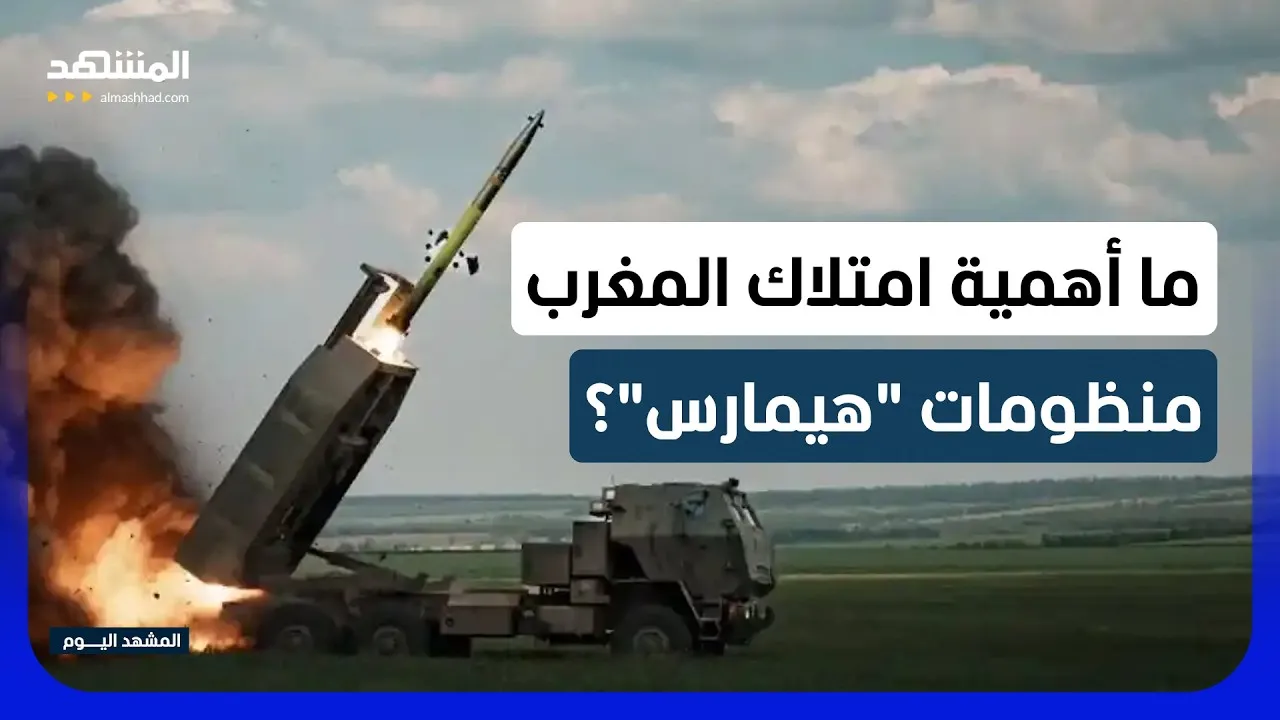
One of the key strategies being weighed by the United States involves elevating Morocco's status as a strategic partner in the region. Preparations for a high-level military summit in Washington later this year are underway, aiming to bolster strategic cooperation, review existing arms agreements, and establish new joint priorities. This initiative underscores the growing security collaboration between the U.S. and Morocco, suggesting a tightening relationship that is increasingly significant in both political and military contexts.
As this dynamic unfolds, Morocco is gaining traction as an alternative ally for the United States in North Africa, igniting discussions about the future of U.S. military presence on Spanish soil and the potential recalibration of strategies in the region. Furthermore, the United States possesses the capability to diminish cooperation with Spain across various intelligence-sharing platforms, which are organized through bilateral agreements, NATO structures, and other cooperative frameworks. Washington has previously limited the sharing of critical information, as evidenced by recent actions taken regarding Ukraine, and could similarly restrict access to sensitive programs.
While NATO's framework ensures that all member nations participate equally and that significant decisions require unanimous consent, it is also a politically charged organization, and the Trump administration is keen to leverage its influence within it. Consequently, the U.S. could maneuver to sideline Spain from essential roles and decision-making arenas within NATO.
Among the potential pressure points are the Morón and Rota bases. The U.S. would find it easier to adjust operations at the Morón base, given that it is solely an air facility and its capabilities could be redistributed to other allied locations. In contrast, the Rota base presents more complexity due to its combined air and naval capabilities, which are unmatched by other nations in the vicinity, and it houses U.S. destroyers that are integral to NATO's missile defense shield.
While expulsion from NATO is not a viable means for the U.S. to pressure Spain, it is evident that the Pentagon is actively exploring ways to respond to the Sánchez government's recent military challenges.
As reported by vozpopuli.com.